Early Beginnings
Kings Mountain High School had its origin in the subscription school established by Capt. William T. Reilly Bell in 1876. Bell had taught school at Harlowe Creek in Carteret County, North Carolina just after the Civil War. The school was conducted in the home of Rufus W. Bell (no relation). Nora Bell, the daughter of Rufus, married Bennett Willeford and they moved to Kings Mountain. It was this couple who influenced Capt. Bell to move to Kings Mountain and open a school.
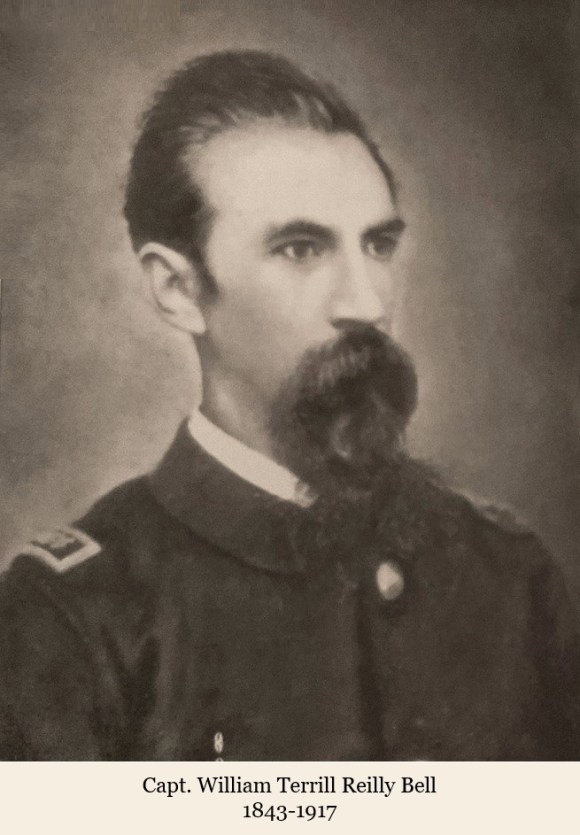
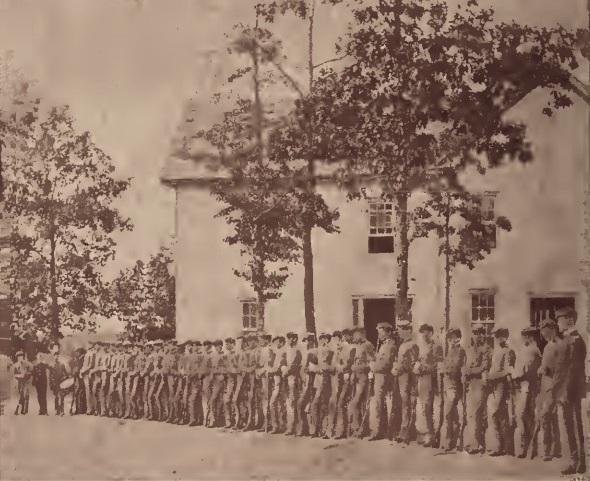
Capt. Bell’s school opened in 1876 with 18 students. That same year, the citizens of Kings Mountain built a two-story frame building. By 1878, they had added a wing to the school and Bell added a military component. That same year the school was converted to the public school of Kings Mountain. Bell was retained as its principal and remained until moving to Shelby in 1887.

School students all met together in one large room for the next 20 years or so. Then in 1905, the school was converted to a graded school with 468 students in eight grades. Stanmore W. Carwile became the first superintendent. It is unclear if this position was the same as, or distinct from, that of a school principal. In historical local newspapers, directories, and school board minutes from this era, the title “Superintendent of the Graded School” or the “Principal of the Graded School” was used interchangeably. Legally, they were answering to the county and state as a superintendent, but practically, they were walking the halls and teaching classes as a building principal. As the state built thousands of new schoolhouses in the 1910s and 1920s, the state began requiring separate professional certifications for principals and superintendents, formally splitting the two positions.
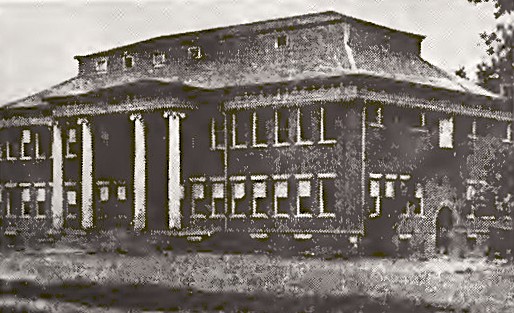
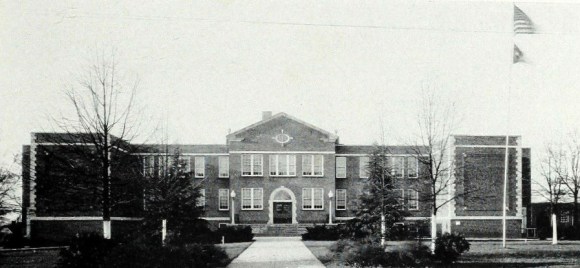
In 1910, school trustees erected a two-story red brick building trimmed in gray granite. This building contained a music room, office, and eight classrooms on the first floor and four classrooms and auditorium on
the second floor.

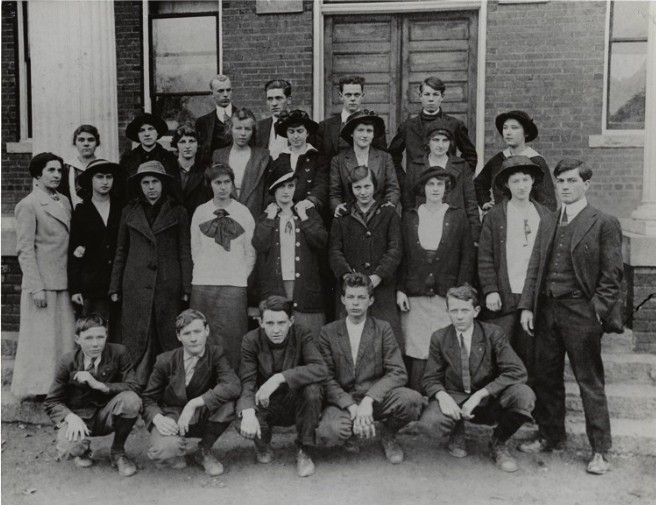
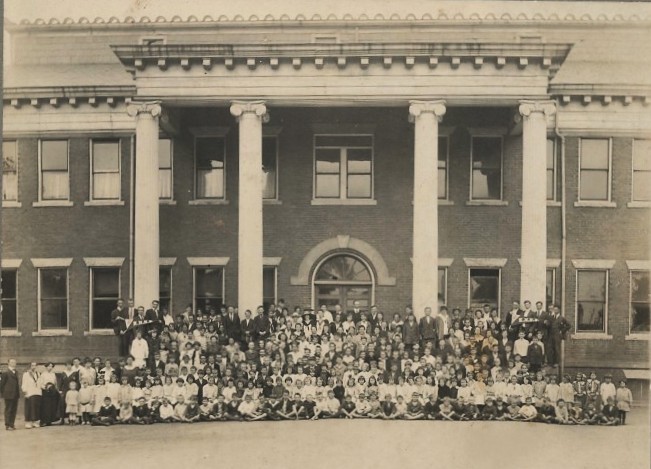
According to newspaper honor roll records, Kings Mountain Graded School had ten grades in 1914. In 1920, the school was accredited by the NC State Department of Education. In 1921, the school added 11th grade; 12th grade would not be added until 1942.
The 1930s
The impact of the Great Depression was felt in every arena of life in the United States and abroad. The impact on schools and school programs was also detrimental. Nonetheless, in 1930 Kings Mountain High School became a member of the Southern Association of Secondary Schools. During the 1930s a gymnasium was built at Central School, and a cafeteria program was started. In 1935, the high school band was organized under the direction of Paul E. Hendricks.
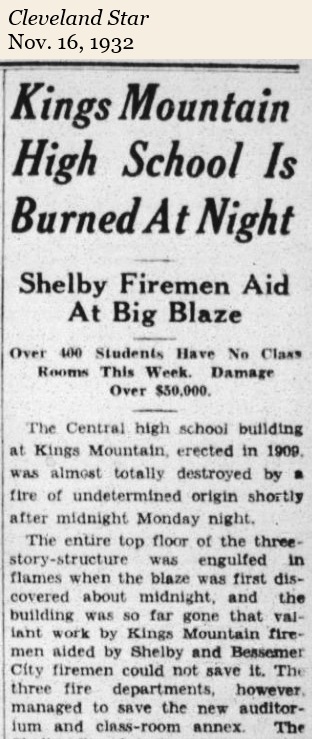
Tragically a large fire broke out at Central School on November 14, 1932. No one was hurt, but damages were estimated at $72,000. High school students had to share use of East School with elementary school students; each group met there for half a day. By the following year a new building was erected.
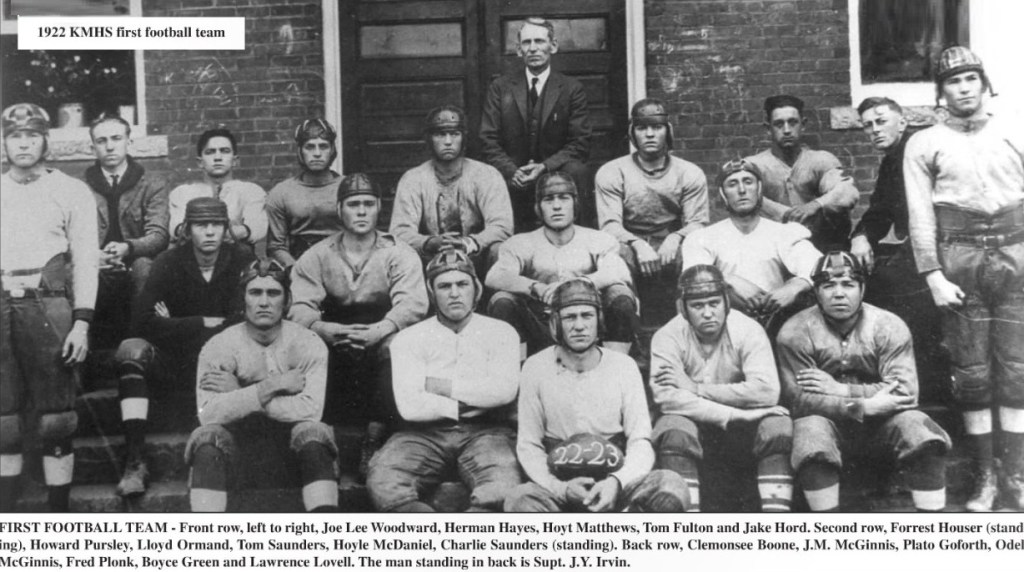
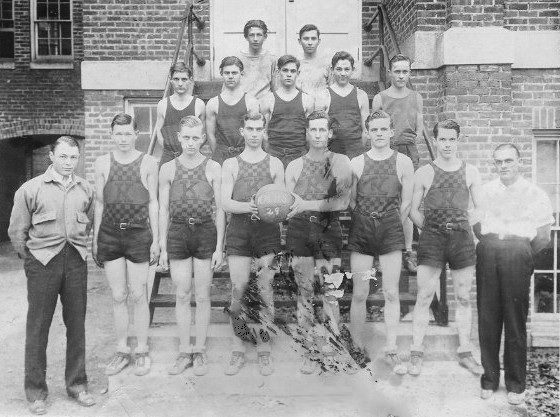
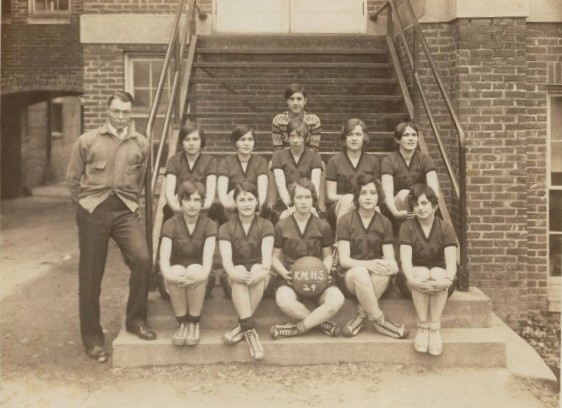
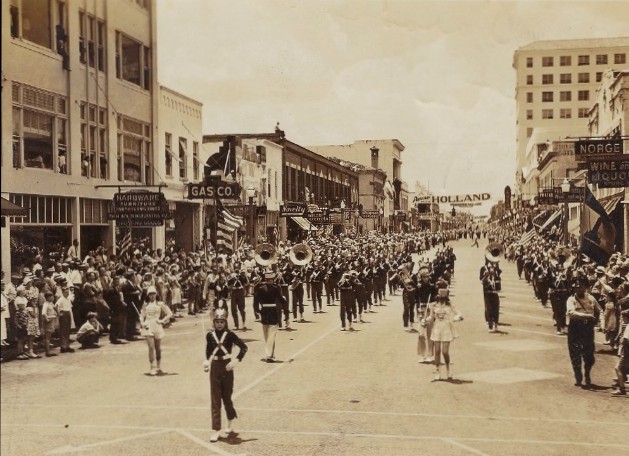
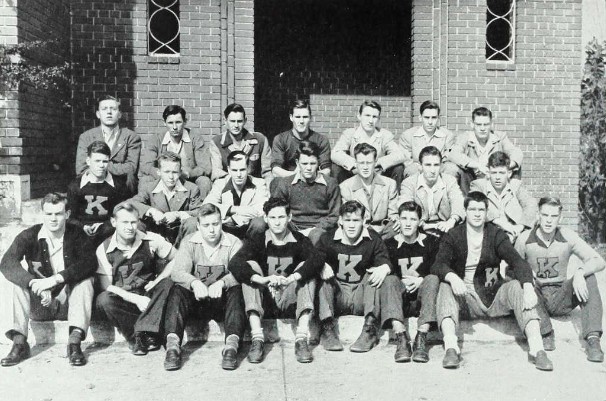
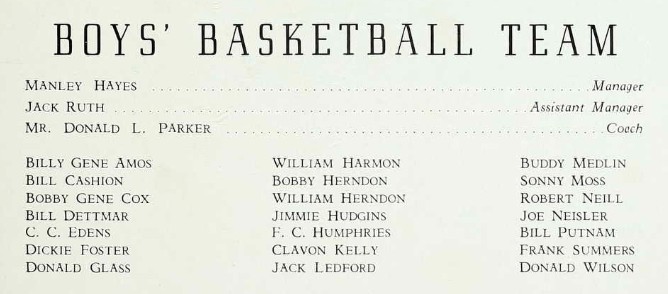
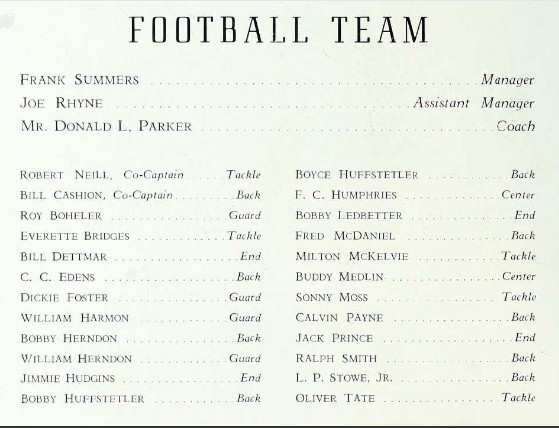
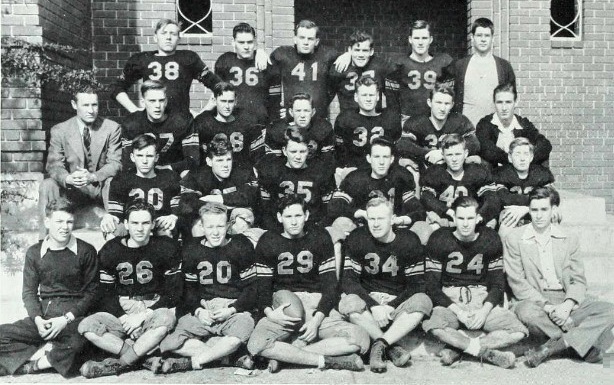
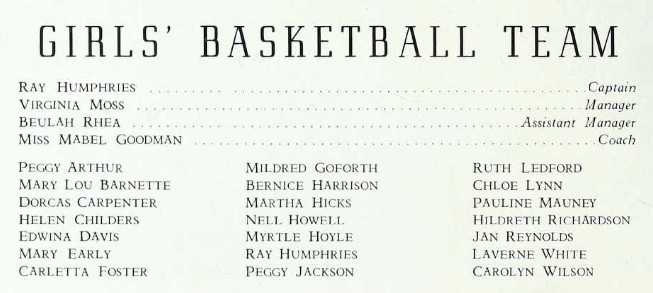
In 1939, Kings Mountain High was able to fund a football team, a girls and boys basketball team, a baseball team, a girls softball team, and a beautifully uniformed marching band.
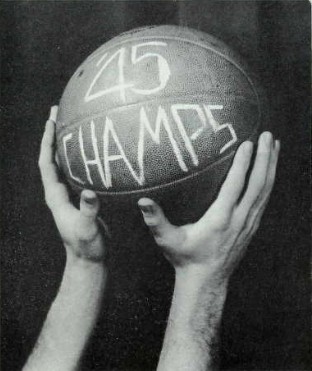
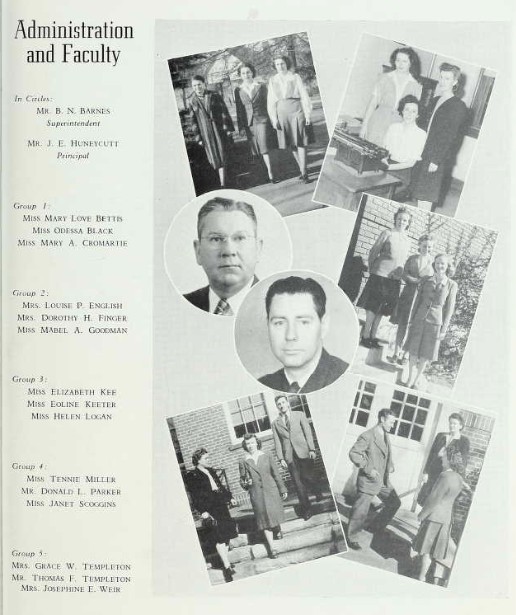
The Kings Mountain High School yearbook was called Milestones. The following are selected images from the 1939 volume which has been digitized on Ancestry.com.
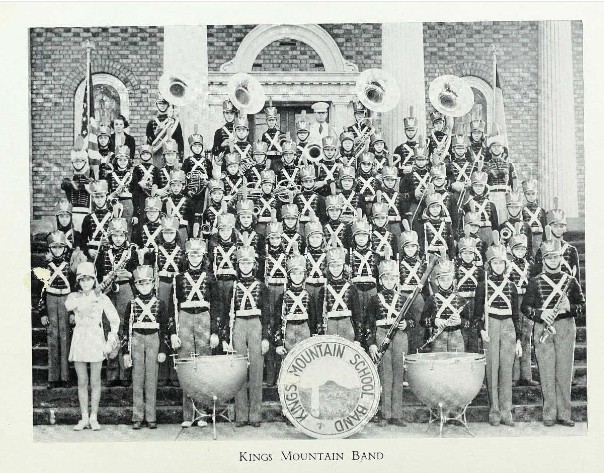
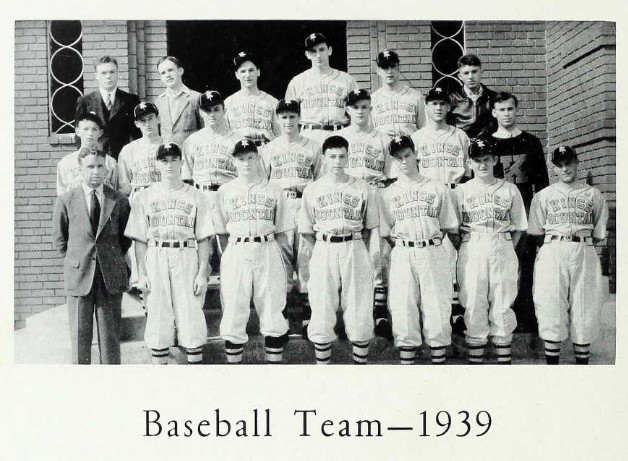
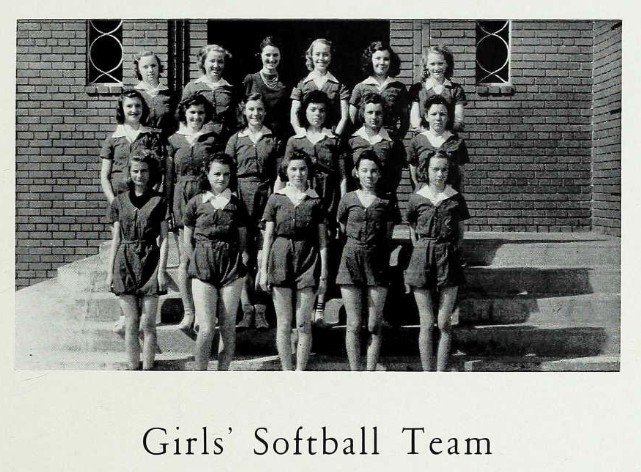
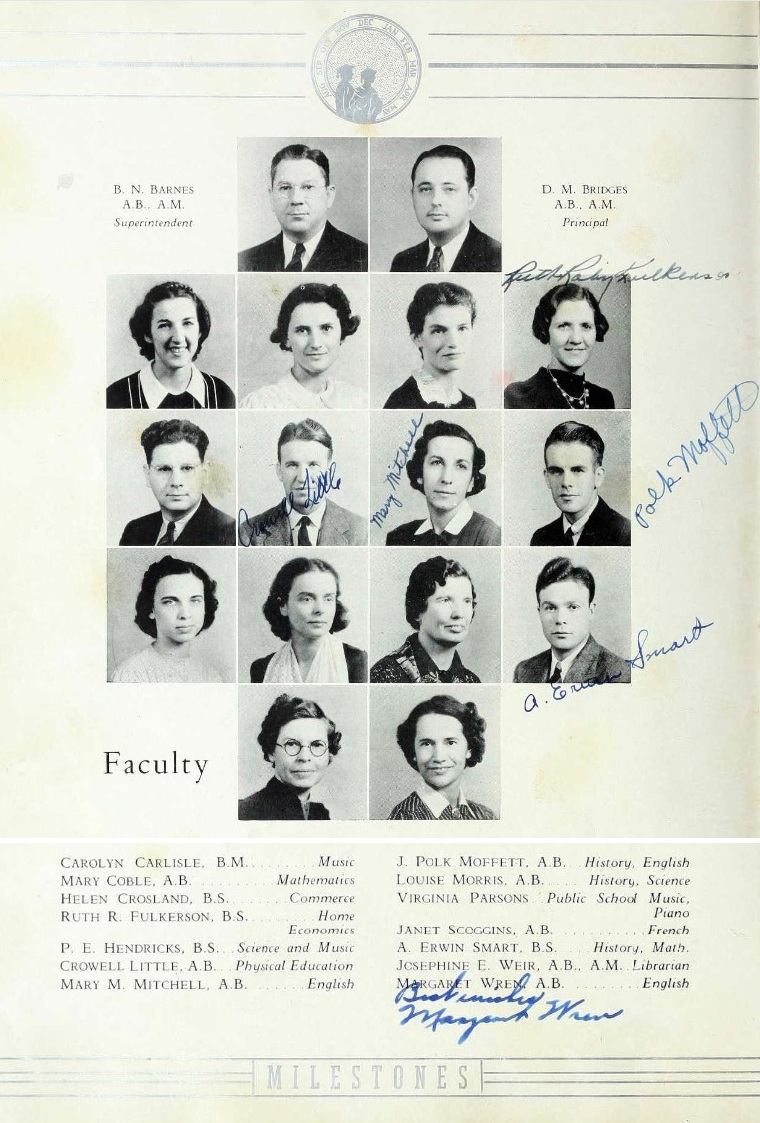
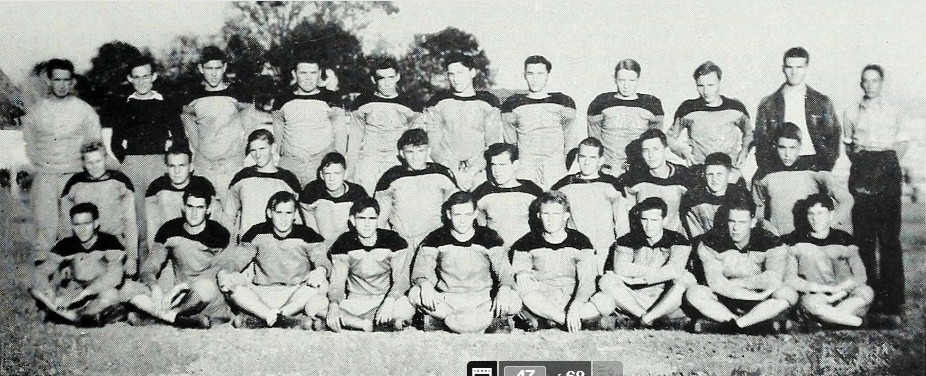
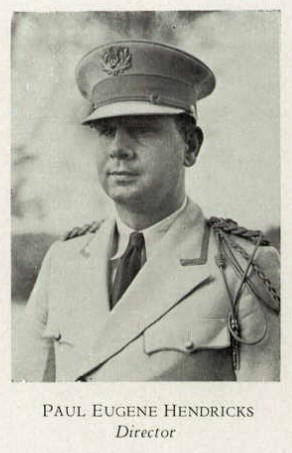
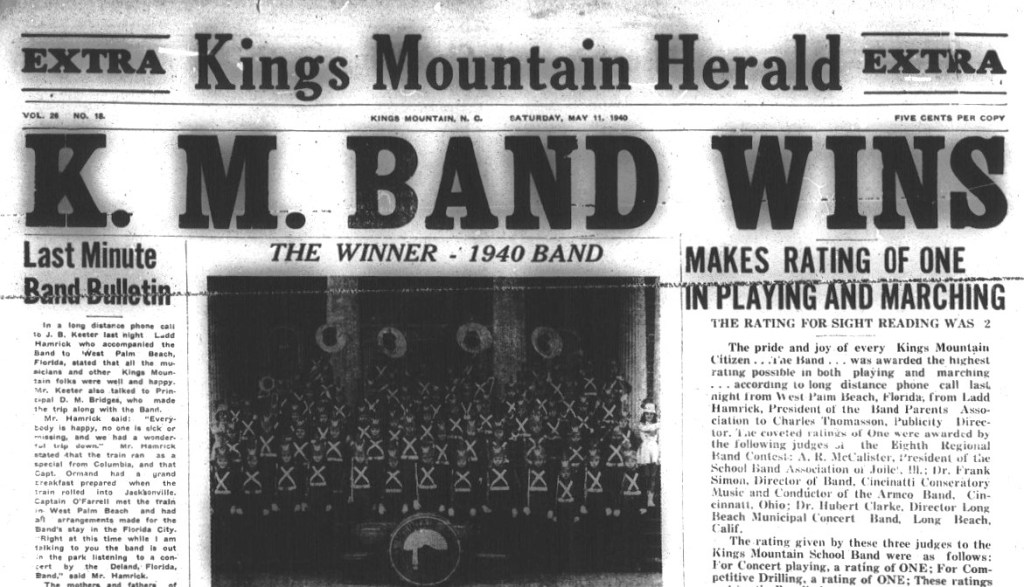
Under the leadership of Paul Hendricks, the Kings Mountain High School Band became an exceptional organization, earning top ratings at numerous competitions during his tenure.
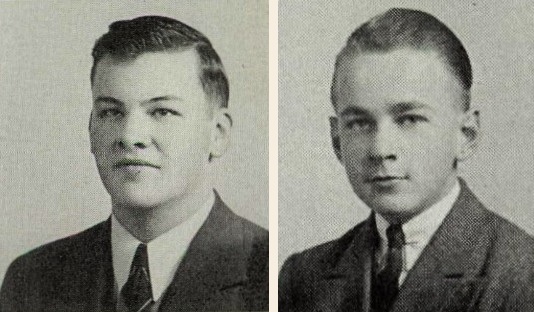
Soloists David Fletcher Hord, Jr. (left) and Ernest Mauney were each awarded a score of 1 at this competition as well.
The 1940s
In 1941, the North Carolina General Assembly passed a measure directing state appropriations to set up the framework for adding a 12th grade to the high schools. The state began providing funding and allotting teachers for the 12th grade to any school district that requested them for the 1942-1943 academic year. According to Bonnie Mauney Summers, 12th grade was added at Kings Mountain High School in 1942. There was a transition period during which students could graduate with an 11th grade diploma or a 12th grade diploma.
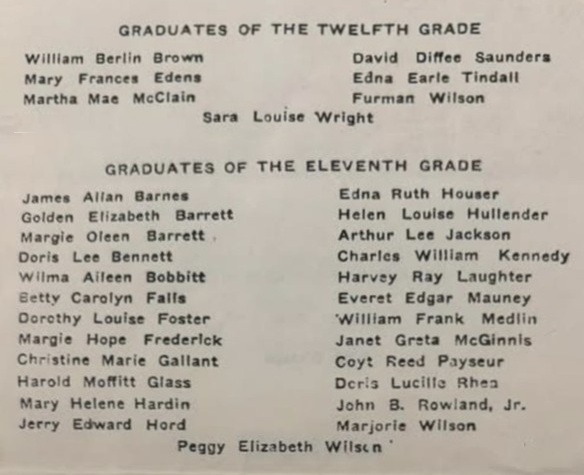
By 1946, World War II had come to an end and the future was looking brighter. Kings Mountain High School had 15 faculty members. There were 24 seniors; they belonged to the generation that would produce the “baby boom.”
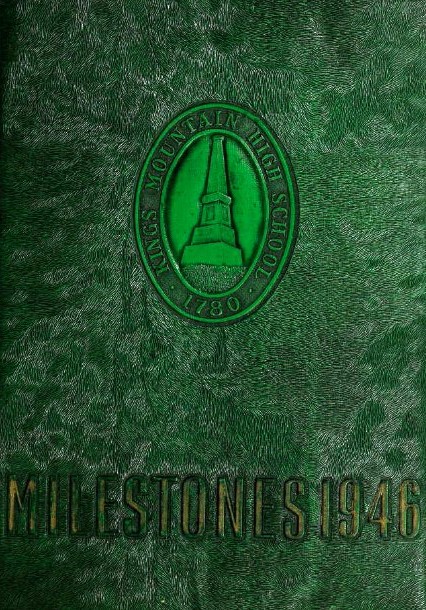
The 1946 Milestones at Ancestry.com.
The 1950s
The 1950s saw the beginning of a sea change in the desegregation process that would impact schools. In 1954, the Supreme Court unanimously ruled in Brown v. Board of Education that separate educational facilities for white and black students are inherently unequal. While the 1954 ruling laid the foundational legal groundwork by making segregation illegal on paper, it would be 10 years before a mechanism for enforcement was implemented.
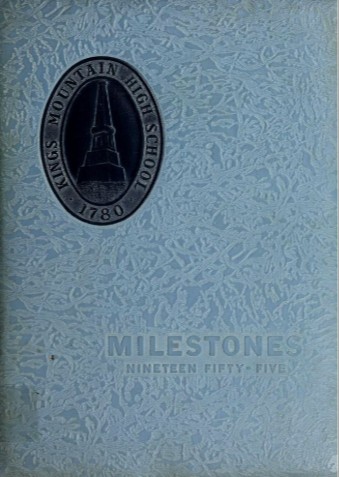
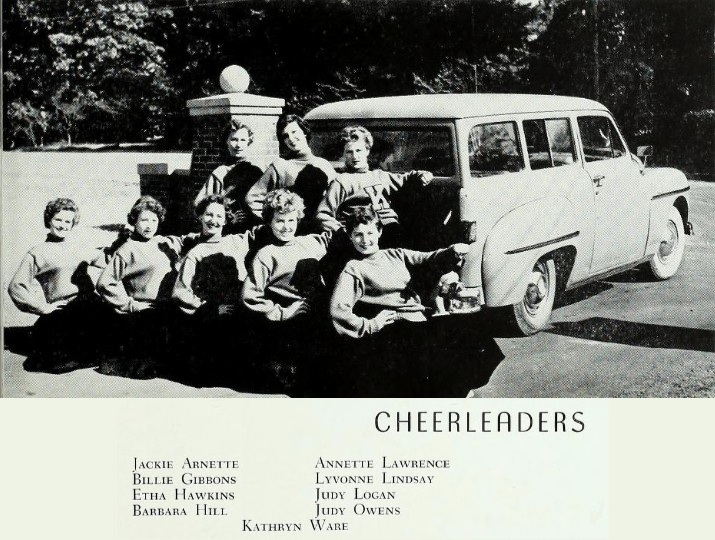
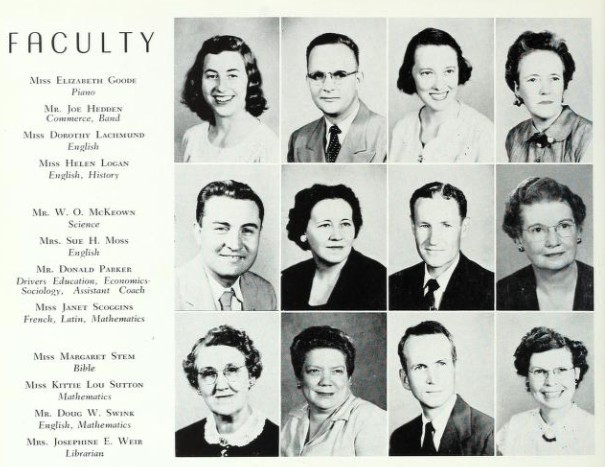
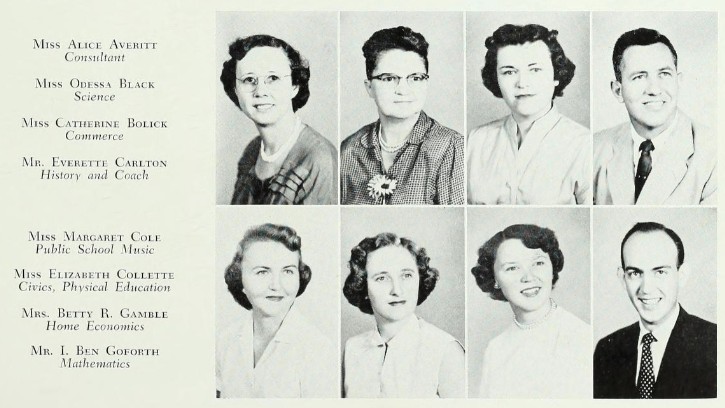
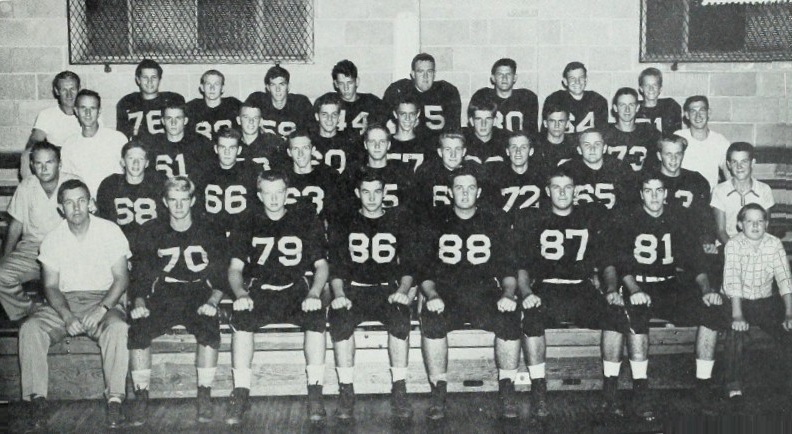
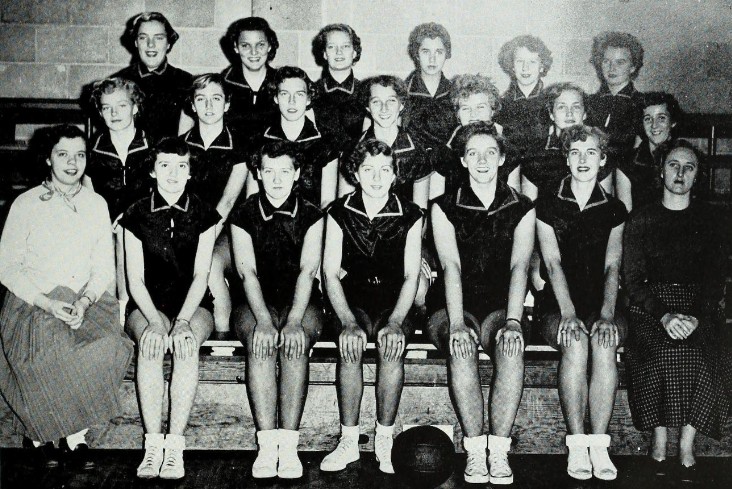
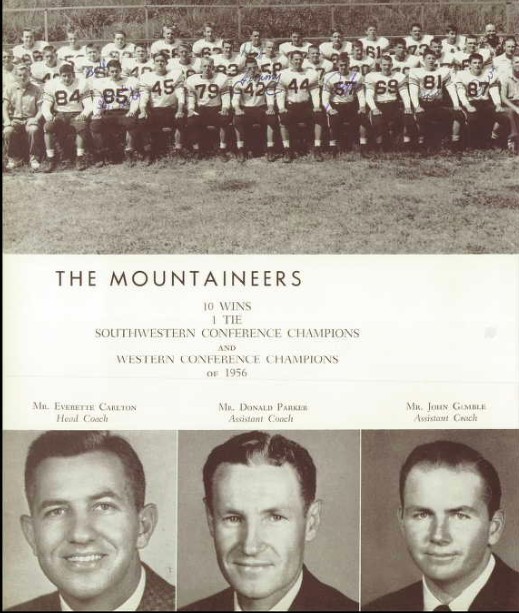
The 1955 Milestones is freely accessible at DigitalNC.
The 1960s
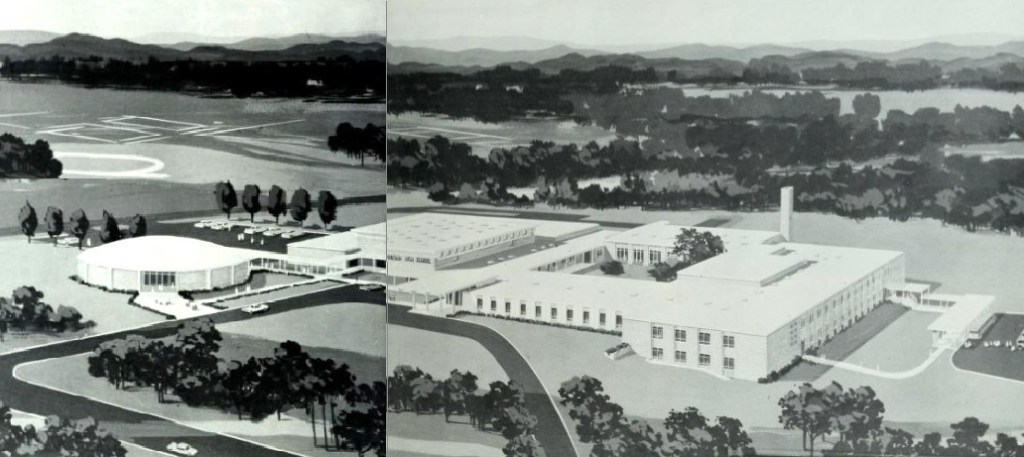
In 1960 a referendum was held to decide on the consolidation of Kings Mountain, Bethware, and Grover schools. The measure passed and the new district was named Kings Mountain District Schools. With the creation of this new, enlarged district, planning began on the construction of a new high school large enough to accommodate the additional students.
Concurrent with school consolidation in Kings Mountain, integration was also being addressed. In 1964, the Civil Rights Act was passed by Congress and signed into law by President Lyndon Baines Johnson. This legislation provided the actual government infrastructure and federal enforcement power to end the Jim Crow era in practice.
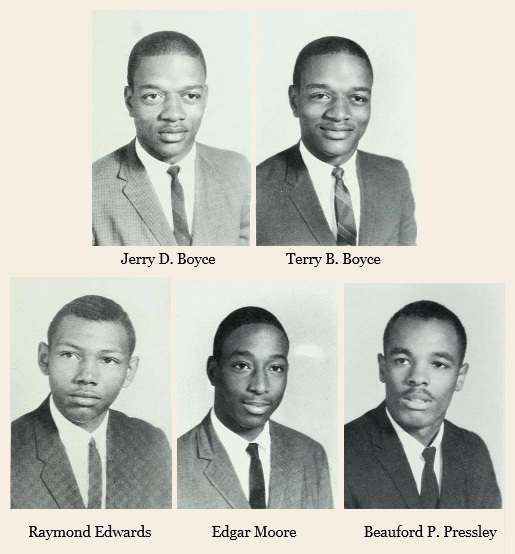
The new Kings Mountain High School opened in the fall of 1965. With the opening of the new school, the senior class included five Black students for the first time. They were Jerry D. Boyce, Terry B. Boyce, Raymond Edwards, Edgar Moore, and Beauford P. Pressley. There were many others in the junior, sophomore, and freshman classes as well.
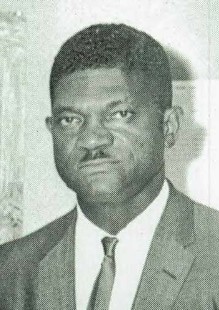
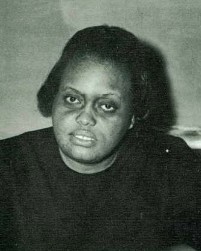
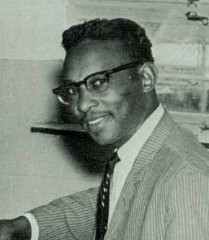
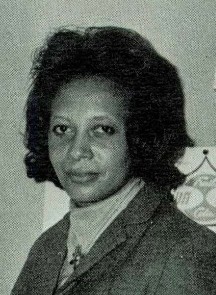
During the 1966-1967 school year, KMHS welcomed six Black teachers for the first time.

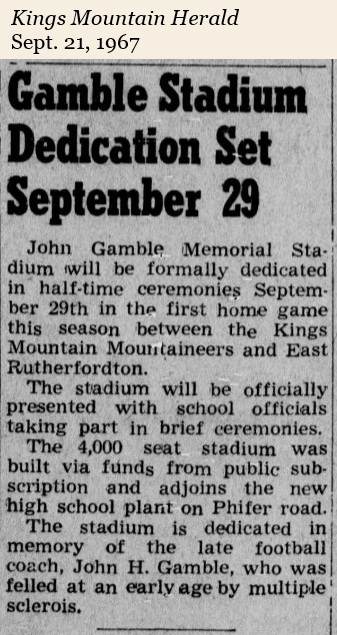
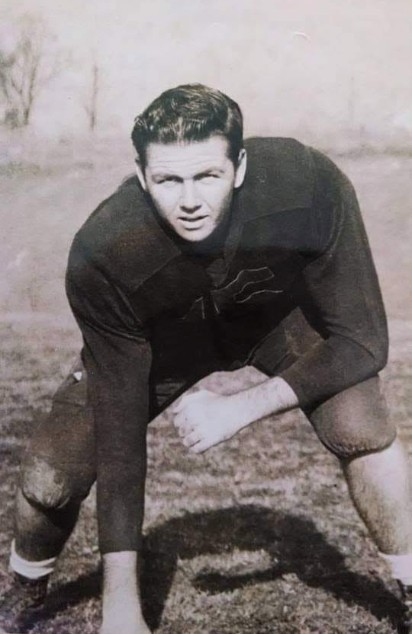
A new stadium KMHS stadium opened in 1967. It was named in memory of Coach John H. Gamble who died in 1965.

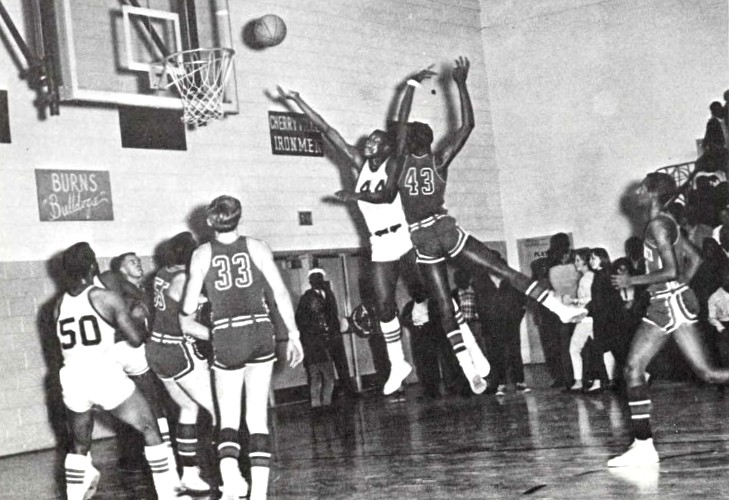
George Adams, Class of ’68 and forward on the KMHS Cagers basketball team, was the leading scorer in the school’s history before embarking on a standout athletic career at Gardner-Webb College and the American Basketball Association. Adams was selected by the Milwaukee Bucks in the third round of the 1972 NBA draft. He spent his playing career with the San Diego Conquistadors of the ABA where he was coached by Wilt Chamberlain and K. C. Jones.
The 1970s
When a new Kings Mountain Junior High School opened in the fall of 1974, 9th grade was moved to the new school. Kings Mountain High School became Kings Mountain Senior High School.
The ’70s also marked a transformative era for the rights of women and girls. Congress passed six acts addressing equal rights for women. One of these impacted girls in schools and colleges. Known as Title IX of the Education Amendments, this landmark legislation prohibited discrimination based on sex in any education program or activity that receives federal funding.
The law was rolled out and implemented in phases. In 1975, the Department of Health, Education, and Welfare issued comprehensive regulations that formally required educational institutions to comply and set guidelines for equal opportunity, particularly in athletics. Schools were generally given a three-year window to fully implement these athletic regulations.
The 1980s
The ’80s brought computers to Kings Mountain High School. Early computers popular in school settings were the Apple II, the Commodore, and the TRS-80 (Tandy/Radio Shack). The decade also ushered in a great opportunity for their star football player in the late ’70s–Kevin Mack.
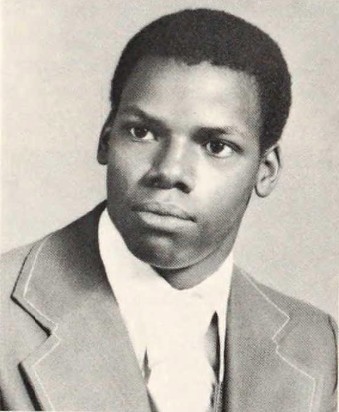
Class of 1980 alum, James Kevin Mack was a standout football player. After graduating he played for the Clemson Tigers, then went on to play in the NFL for the Cleveland Browns.
Tim Moore, a KMHS Class of ’88 alum, went into politics and served in the NC legislature from 2003 to 2025. He was Speaker of the House in that body for 10 years. Moore was elected to the US House of Representatives in 2024 to represent North Carolina’s 14th Congressional District.
The 1990s
In 1990, Kings Mountain Junior High changed to Kings Mountain Middle School and consisted of grades 6, 7, and 8. The high school once again housed grades 9-12, and changed its name back to Kings Mountain High School. Central School closed as a school and reopened as the District Office for Kings Mountain District Schools in the fall of 1994.
In 1991, North Carolina General Assembly passed statutes to make administrative unifications easier, prompting the consolidation of multiple city and county school systems. This marked the beginning of talks regarding the consolidation of Kings Mountain District Schools and Shelby City Schools with the Cleveland County School District.
In 1993 the number of units required for graduation increased from 16 to 20.
The 2000s
The new millennium brought the most significant change to Cleveland County Schools in a century. A plan to merge Kings Mountain District and Shelby City Schools with the Cleveland County system was initially approved in 2000. It was delayed for several years due to legal challenges and litigation from the Kings Mountain School District. The merger process went forward and became official on January 13, 2004.
The 2010s
The 2010s at Kings Mountain High School (NC) were defined by dominant athletic runs, fierce local rivalries, and major baseball talent.

The defining highlight was Will Wilson, who became the school’s most notable modern MLB prospect, batting .535 as a senior. He went on to play college baseball for the NC State Wolfpack and was selected 15th overall in the first round of the 2019 MLB Draft by the Los Angeles Angels.
After working his way through the minors with the Giants and Guardians organizations, Wilson made his official Major League Baseball debut on April 23, 2025, with the Cleveland Guardians.
The 2020s
The first year of the decade was met with the emergence of the coronavirus pandemic. On March 10, 2020, Gov. Roy Cooper issued executive order No. 116, declaring a state of emergency. Four days later, Cooper followed that with executive order No. 117, which prohibited mass gatherings and also closed public schools through the end of the month. Just over six weeks later, Cooper announced all schools would remain closed through the rest of the school year. Encouraged by the fact that young children seemed to resist the harmful effects of the virus, elementary schools were allowed to reopen in September. However, high schools did not reopen until February of 2021.
Kings Mountain High School Faculty
A virtual cemetery of former Kings Mountain High School faculty members has been compiled on Find a Grave.com. Many of these profiles include obituaries and/or biographies.
Kings Mountain High School Principals
| Kings Mountain High School Principals | term | photo |
| Bahnson N. Barnes | 1929-1934 | 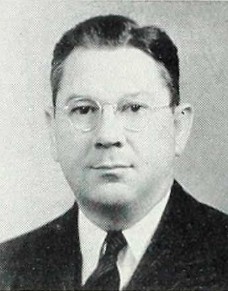 |
| Frank M. Biggerstaff | 1934-1937 | 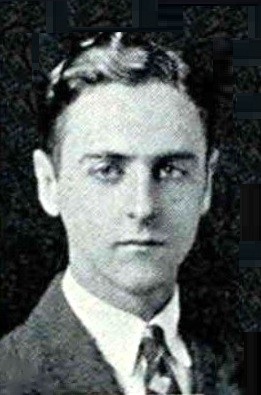 |
| David M. Bridges | 1937-1942 | 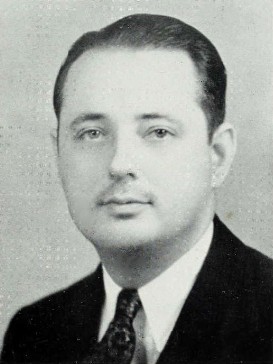 |
| James E. Huneycutt | 1942-1949 | 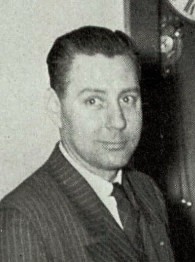 |
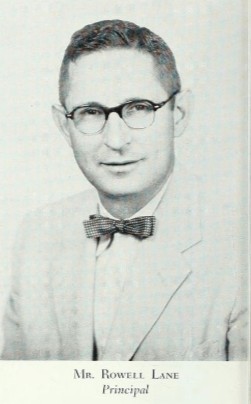
| Rowell Lane | 1949-1958 | 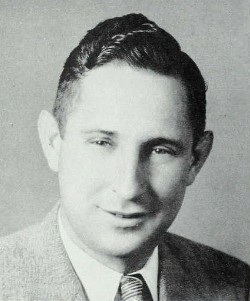 |
| E. Lawson Brown | 1958-1961 | 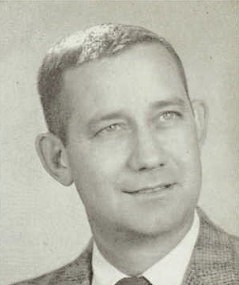 |
| Harry E. Jaynes | 1961-1967 | 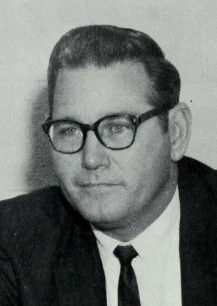 |
| G. Glen Brookshire | 1967-1967 |  |
| James “Jake” C. Atkinson | 1968-1975 | 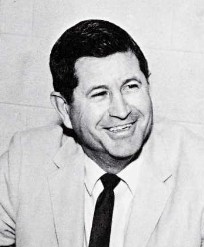 |
| W. Forrest Wheeler | 1975-1979 | 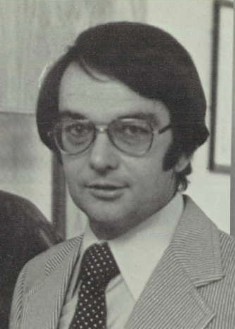 |
| Robert McRae | 1979-1983 | 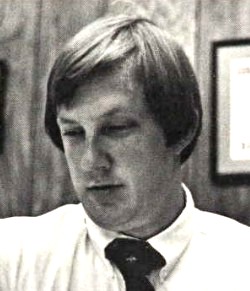 |
| Ronnie Wilson | 1983-1988 |  |
| Jackie Lavender | 1988-1995 | 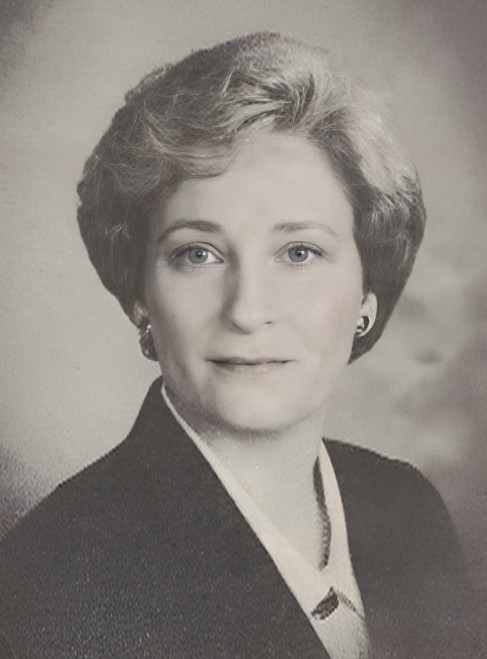 |
| Phil Weathers | 1995-2000 |  |
| John Yarbro, Jr. | 2000-2007 |  |
| Ronnie Funderburke | 2007-2015 |  |
| Julie Rikard | 2015-2021 |  |
| Dr. Dustin Morehead | 2021-present |  |
Kings Mountain District Schools Superintendents
| Kings Mountain School Superintendents | term | photo |
| Stanmore W. Carwile | 1905-1908 | |
| S. J. Hunnicutt | 1908-1909 | |
| Miss Bryte Baker | 1909-1910 | |
| John Y. Irvin | 1910-1911 | 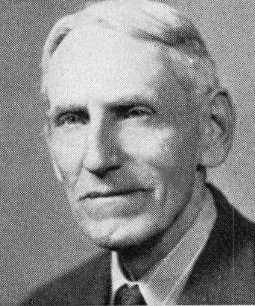 |
| Ector A. Harrill | 1911-1912 | 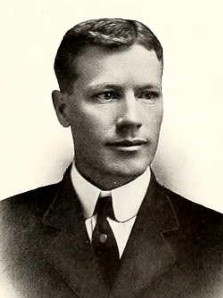 |
| Rufus C. Cox | 1913-1914 |  |
| Robert A. Yoder | 1914-1915 | |
| Frank Orr | 1916-1917 | |
| Miss Bonnie Mauney | 1917-1918 | 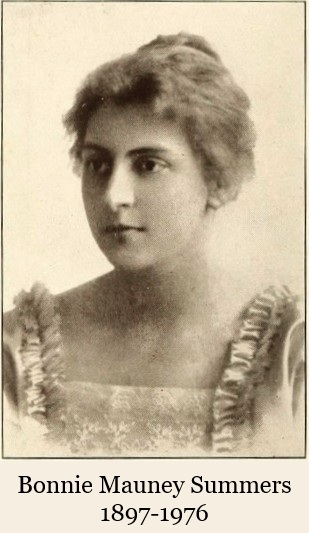 |
| Rev. Joseph E. Berryhill | 1918-1919 | |
| Theron Allen | 1919-1920 | 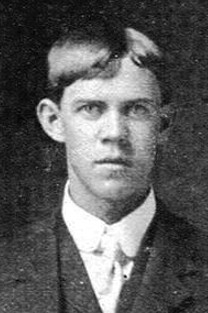 |
| Fernando C. Nye | 1920-1923 | |
| John Y. Irvin | 1923-1927 | |
| Claude Grigg | 1927-1934 | 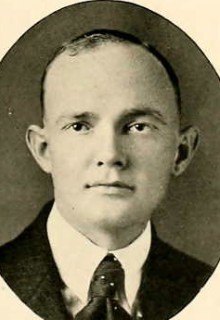 |
| Bahnson N. Barnes | 1934-1967 | |
| Donald D. Jones | 1967-1977 |  |
| William F. Davis | 1977-1986 | |
| Bob McRae | 1986-2000 | |
| Dr. Larry Allen | 2001-2004 | 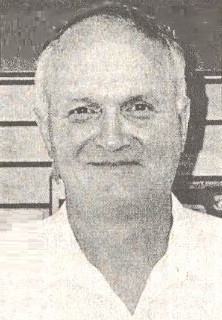 |
The Kings Mountain High School Yearbook–Milestones
The first yearbook is believed to have been published for the 1938-1939 school year, as “Volume 1” is printed on the title page. The name chosen was Milestones. Some 37 volumes have been digitized and made accessible on at least three online archives: Ancestry.com, DigitalNC, and Internet Archive. The latter two have free access.

History of Kings Mountain High School, The Cleveland Star, DigitalNC; 1935.

