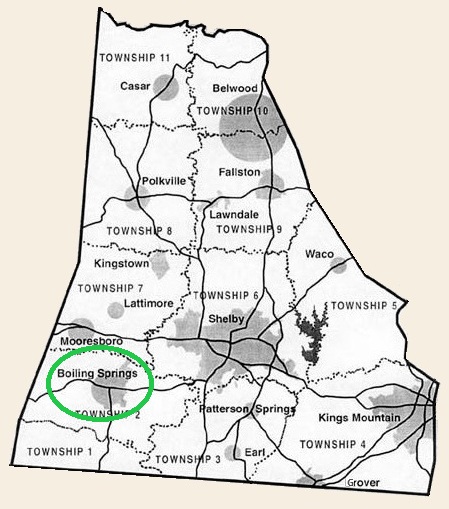
Boiling Springs’ Beginnings
The settlement now known as Boiling Springs was established in 1843. It was named for the five-feet-wide bubbling water that emerged from an underground spring found there. Bubbling as much as six to eight inches high, the spring had been used by Catawba and Cherokee Indians in the 18th century.
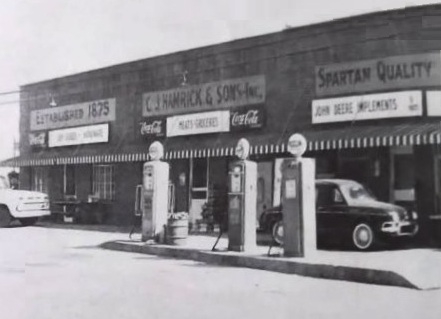
The first families to settle the area were the Hamricks, Greens, and McSwains. The first settlement was actually almost a mile south of the present-day town. The first post office was established in 1887 and was still being called “Metal.” C. J. Hamrick opened the town’s first store in 1875.
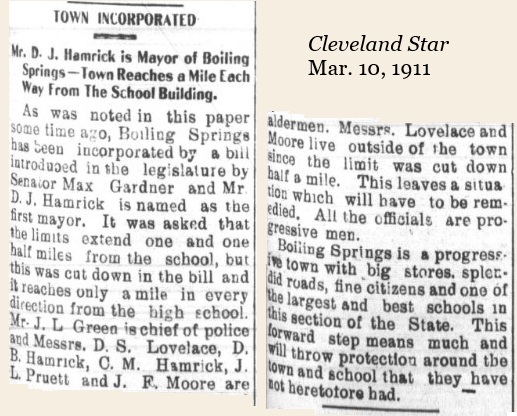
Boiling Springs became an incorporated town in 1911 and elected Drury Joseph Hamrick its first mayor.
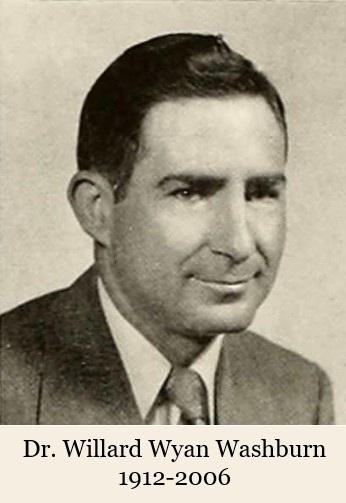
Dr. Wyan Washburn was a well known physician serving Boiling Springs and Gardner-Webb University. He was also a history buff and wrote about the history of Boiling Springs. According to Dr. Washburn, the cold water of the spring had a little iron and traces of other minerals in it–and it tasted “like good fresh water.” He remembered a long-handled gourd hung by the spring for people to use as a dipper.
Boiling Springs Commerce
One of the earliest stores in the area was established about 1875 as a general merchandise store by Charles Jefferson Hamrick. It was operated by family members for over a hundred years.

Royster Memorial Hospital, named for Dr. Stephen S. Royster, was built in 1942. It became a dormitory in the 1970s. Crawley Memorial Hospital, named for John Crawley, took its place in the same time frame.
Boiling Springs Schools
Early schools in the Boiling Springs area were Flint Hill, Green Bethel/ West Cleveland (x-1969), Mount Pleasant, Shanghai, Sharon, and Trinity.
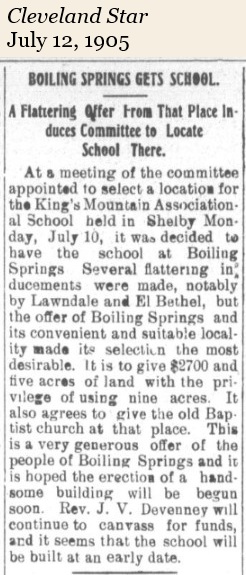
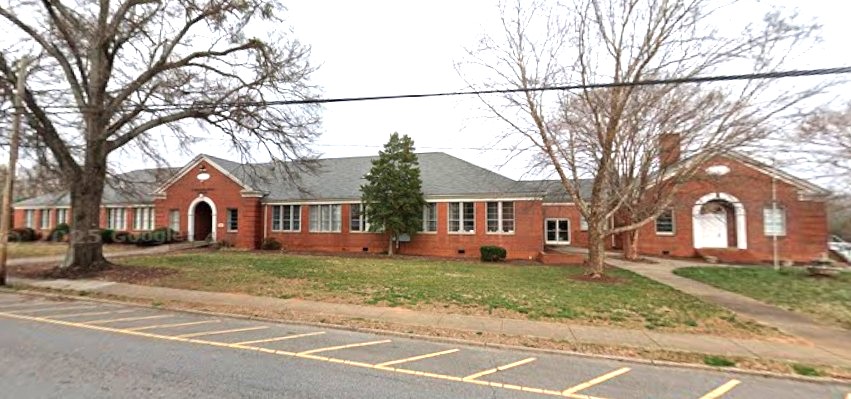
Boiling Springs High School was built in 1907 under sponsorship of the Kings Mountain and Sandy Run Baptist Associations.
Boiling Springs High School became a junior college in 1928 and was renamed Boiling Springs College.
The name was changed to Gardner-Webb College in 1942 in honor of O. Max and Faye Webb Gardner who had become major benefactors of the college.
The college became a four-year college in 1971. It changed its name to Gardner-Webb University in 1993.
The history of Gardner-Webb is on their website; some coverage is here as well.
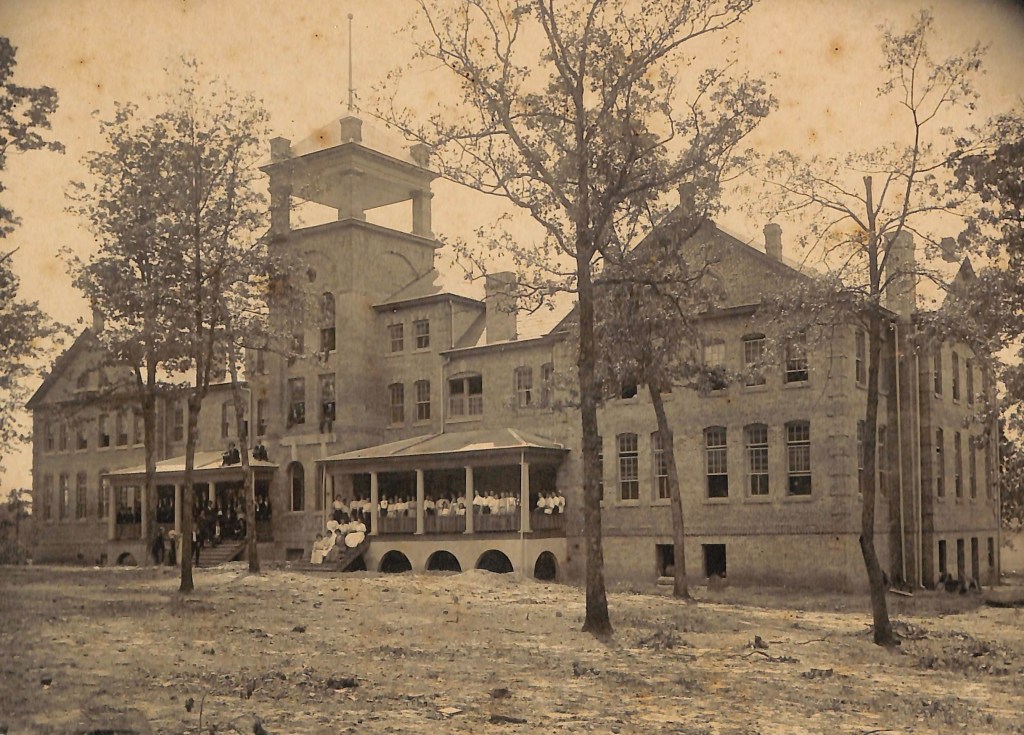
Archives, Gardner-Webb University, “1907: Huggins Curtis Opens” (1907). Gardner-Webb University History: A Timeline. 2.
https://digitalcommons.gardner-webb.edu/gardner-webb-timeline/2
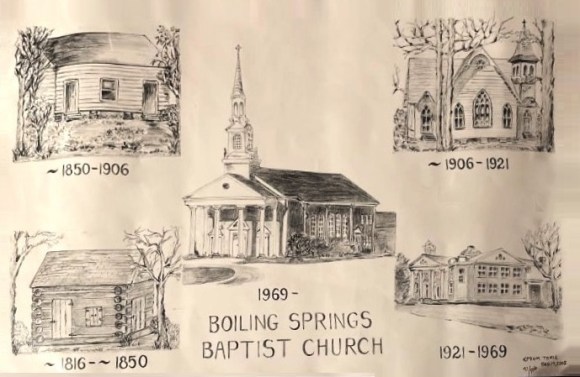
Boiling Springs Churches
Boiling Springs Mayors
Many thanks to Jim Holland for photos of Boiling Springs early mayors.
| mayor/ dob-dod | term in office | portrait/photo |
| Drury J. Hamrick, 1851-1926 | 1911 | |
| Frank Weathers | ||
| Oliver P. Hamrick, 1891-1968 | 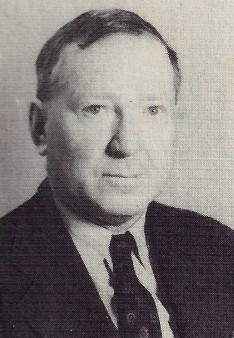 | |
| James L. Lovelace, 1897-1968 | x-1935-x | |
| Asbury I. Jolley, 1882-1953 | 1939 | |
| Belton G. Beason, 1900-1952 | 1945 | |
| Joe W. Lee, 1873-1951 | 1947 | |
| Dan W. Moore, Jr., 1919-1998 | 1949 | 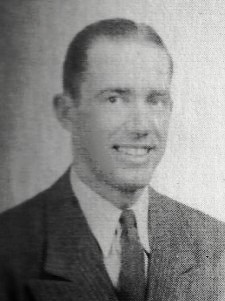 |
| J. Y. Hamrick | 1951 | |
| Marvin Bridges | 1953 | |
| Robert Y. Hamrick | 1961 | |
| Ezra R. “Chick” Wallace, 1927-2005 | 1965 | 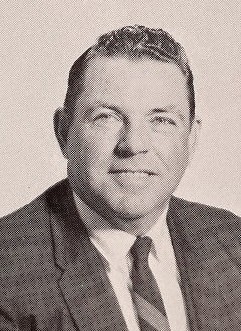 |
| Jimmy Greene | 1970 | |
| William K. Elliott | 1973 | |
| James R. “Buddy” McDaniel, 1944-1992 | x-1992 | |
| Max Hamrick | 1992-2017 | |
| Bill Ellis | 2017-2021 | |
| Daniel Thomas | 2021-2025 | |
| Tommy C. Greene | 2025-present |
| Additional Information about Boiling Springs |
| Town of Boiling Springs website |
| Boiling Springs Wikipedia entry |
| Gardner-Webb University Digital Commons |

