
Early Beginnings
Of the surviving North Carolina newspapers, the earliest mention of “Shelby High School” is from Wilmington’s Morning Star in 1873. At that time, the school’s principal was Dr. D. McNeill Turner. Classes were held in the building known in those days as the Ross Building which was located on the corner of Graham and S. Washington Streets on the site now occupied by City Hall.
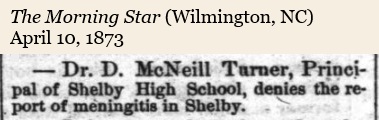
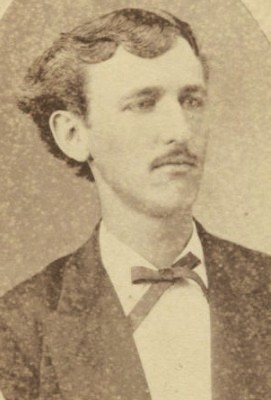
Daniel McNeill Turner, Jr. born in Florida in 1852, began teaching at Shelby High School in 1870. According to the newspaper article above, he was principal in 1873. Turner later became a prominent attorney in Texas.
Shelby High School in 1870 was more than likely a subscription school. A 19th-century subscription school was a private, community-funded primary school. Before free, tax-supported public schools became the standard, local groups of parents would collectively hire a teacher and pay a “subscription” or tuition fee to educate their children.
According to this article in the West-Carolina Record, Shelby High School at this time was an all-male school. This may have been the school other historical documents refer to as the Shelby Male Academy. Operating at the same time was the Shelby Female Academy. According to Martha Roberts’ history, Dr. Turner began in 1870.
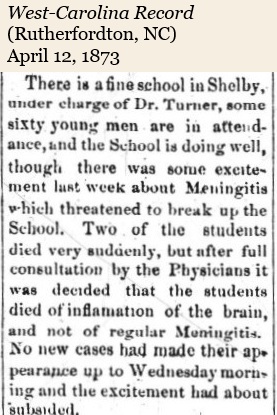
Shelby’s first public school system began in 1874 when the North Carolina General Assembly passed an act to repeal the charters of the privately-operated Shelby Male and Female academies. Although the act basically converted the schools to public institutions, they were not granted charters until 1889.
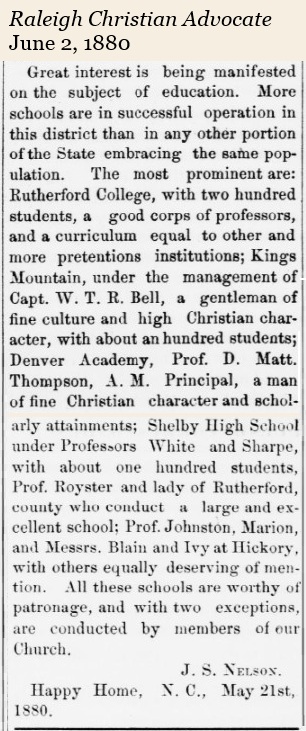
According to this article, by 1880 Shelby High School had 100 students enrolled and was under the supervision of “Professors White and Sharpe.” These two men would have been J. A. White and G. W. Sharpe. Another SHS principal mentioned in an 1887 newspaper was a Professor King who had moved on to Ebenezer College in Cochran, Georgia.
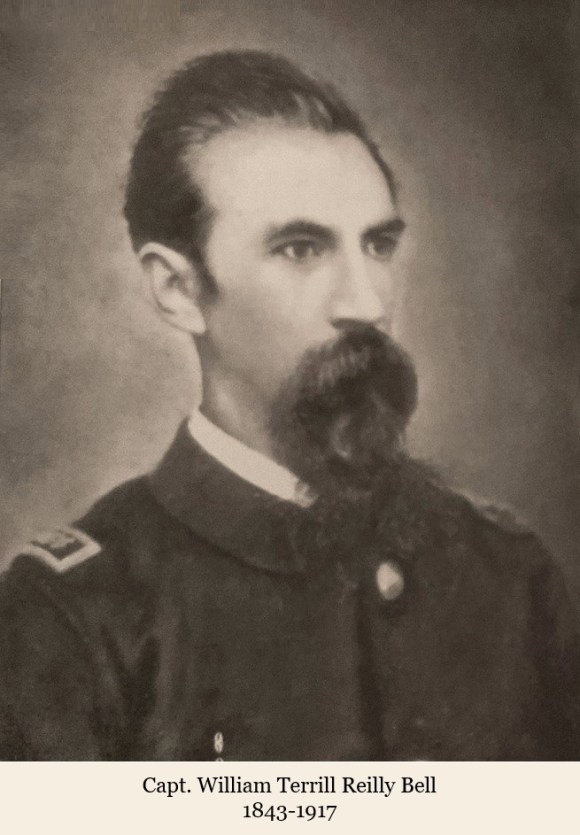
Capt. William T. R. Bell opened the Shelby Military Institute September 12th, 1887, after having established a similar institute in Kings Mountain 11 years prior. Together with Professor Samuel E. Gidney, the school became well respected across the state. Bell operated the Institute for five years before moving to Rutherford County.
From this article in New Era, it appears the building that housed the Shelby Military Institute was first used by the Shelby Male Academy.

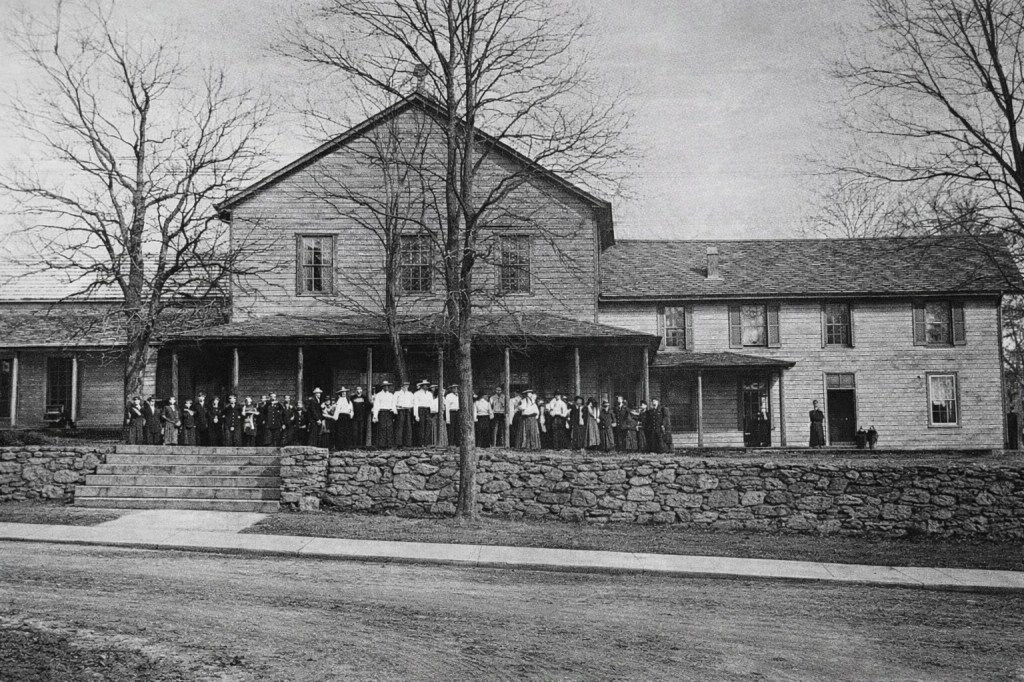
Photo is c. 1900; from the collection of the Cleveland County Historical Museum.
The steps and wall survive today at 204 West Marion Street.
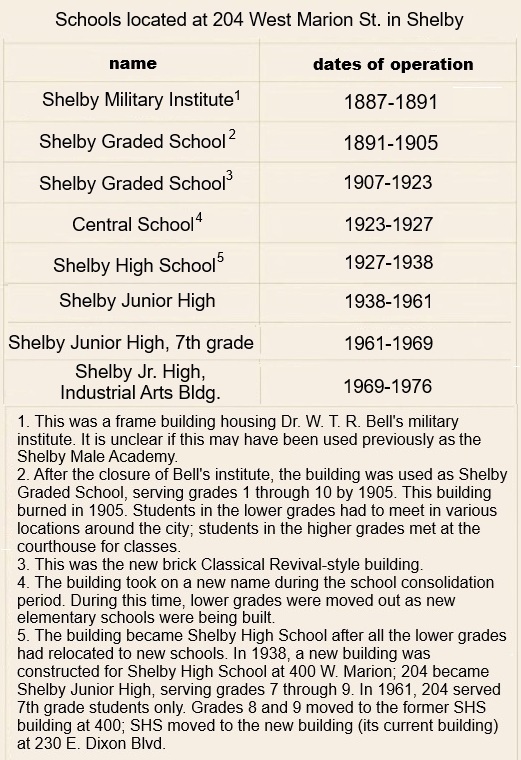
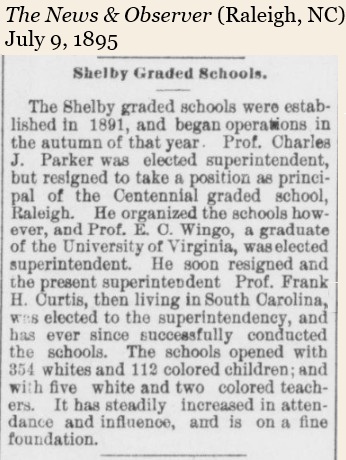
On March 7, 1891, Shelby schools received a major advancement when the North Carolina General Assembly passed a landmark act authorizing town voters to levy a special tax to fund free, tax-supported public schools. Following the successful tax passage, voters formally established the Shelby Graded School, which officially opened its doors in the fall of 1891 in the building vacated by the Shelby Military Institute. This milestone proved a major advancement over the earlier mix of private subscription schools and academies by creating a standardized curriculum where students could “grade” through the system.
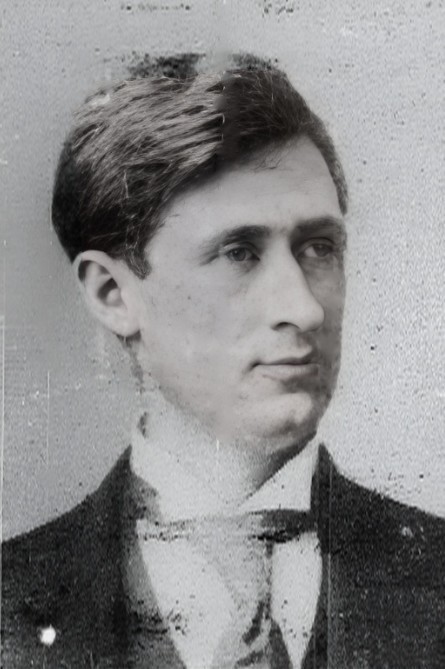
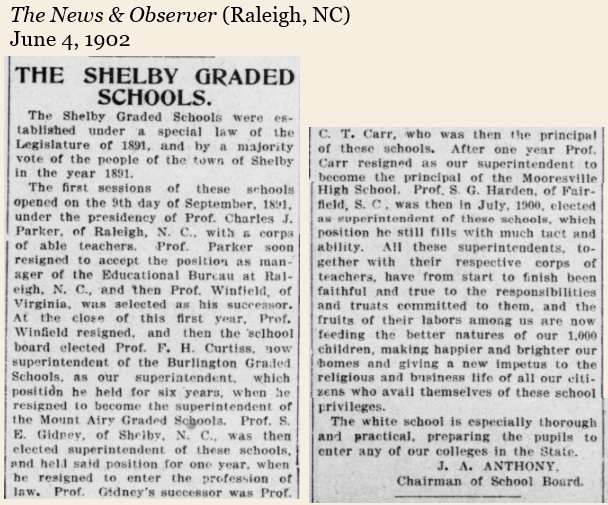
Charles J. Parker organized the first graded school system for Shelby. He served only months before moving to Raleigh. He was following by E. C. Wingo who served 1891-1892. Frank H. Curtis replaced him and served from 1892-1898.
The fourth superintendent was Samuel E. Gidney, who had led the Shelby Military Institute with Capt. Bell. Gidney, a Shelby native, was the first-born son of Capt. John Wells Gidney and Mary McFarland Gidney.
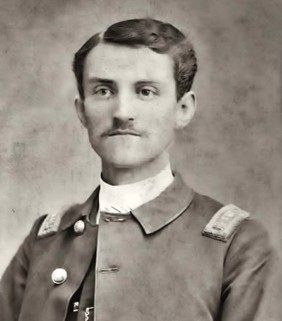
As a teacher at the Shelby Military Institute, Gidney had two students who would go on to become governor of North Carolina–Oliver Max Gardner and Clyde R. Hoey. He served as superintendent 1898-1899.
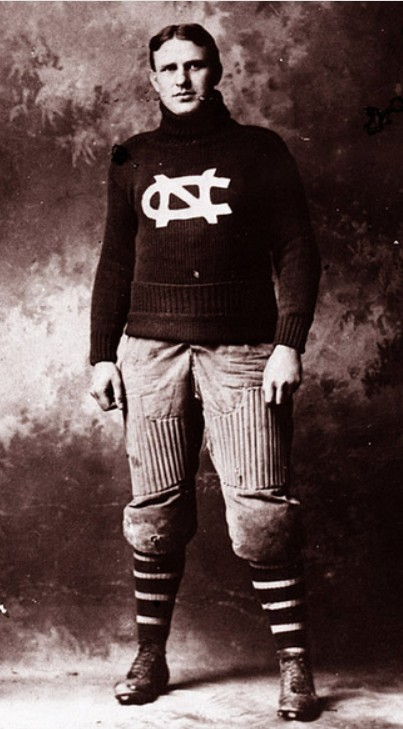
Oliver Max Gardner graduated from Shelby High in 1899. He played football for three seasons at NC State from 1902 to 1904, and one season at UNC in 1905. Gardner advanced in his political career to become North Carolina’s 57th Governor from 1929-1933. (His brother-in-law, Clyde R. Hoey left the Shelby Graded School at age 12, but nevertheless rose to become NC’s 59th Governor.)
During these early years, the roles of the superintendent and school principal is unclear. It appears that early on the superintendent and principal may have been one and the same. Afterall, in that time period, there were only two schools in the “system”–the Shelby Graded School for white students, and a two-teacher school for Black students.
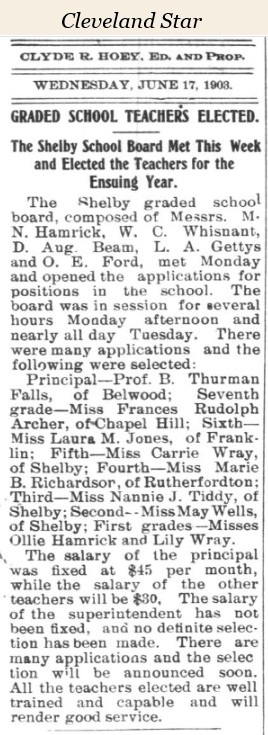
By 1903 it is clear the position of principal was a separate role distinct from that of the superintendent.
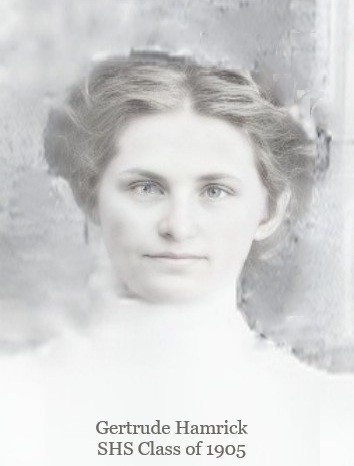
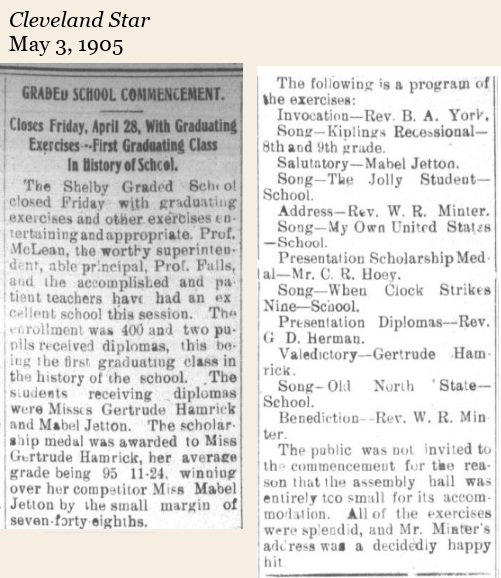
According to the Shelby High School website, the school’s first graduation took place on April 28, 1905. There were just two graduates–Gertrude Hamrick and Mabel Jetton.
In the fall of 1905 a devasting fire broke out in the center of the Shelby Graded School, destroying the building and its records. The fire started at night, so no one was injured.
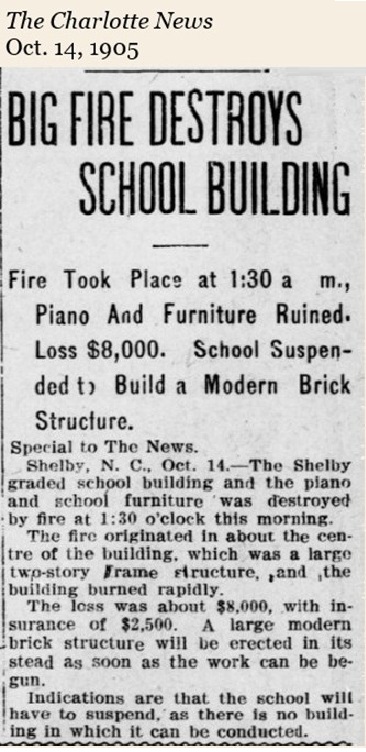
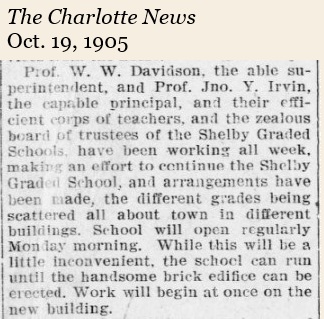
After the fire, planning began for the construction of a new, brick building. Architect, J. M. McMichael, of Charlotte was chosen to design the building. The beautiful Classic Revival building opened its doors to students on September 12, 1907. It retained the name, Shelby Graded School and provided instruction for grades 1 through 10. By 1917–perhaps earlier–11th grade was added.
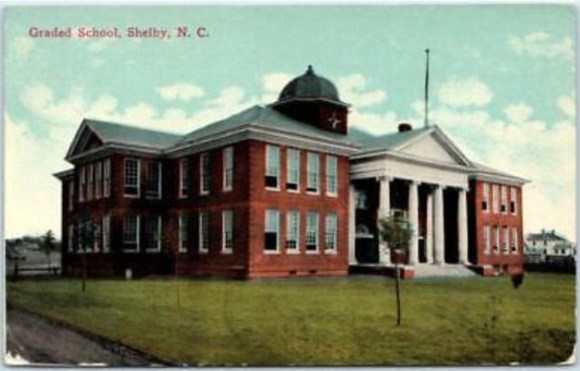
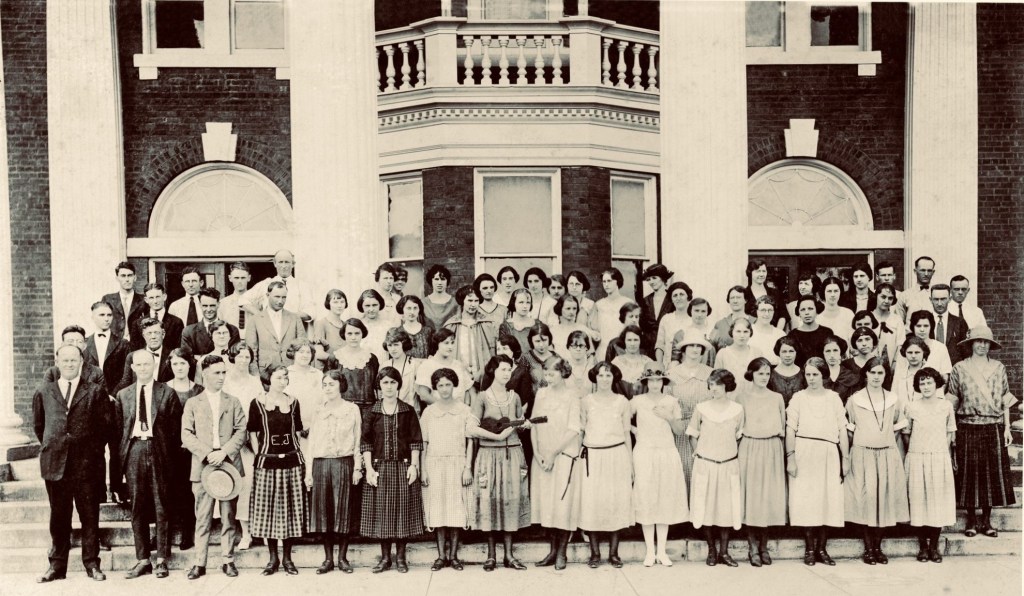
The 204 West Marion Street site housed several schools until its demolition in 1976.
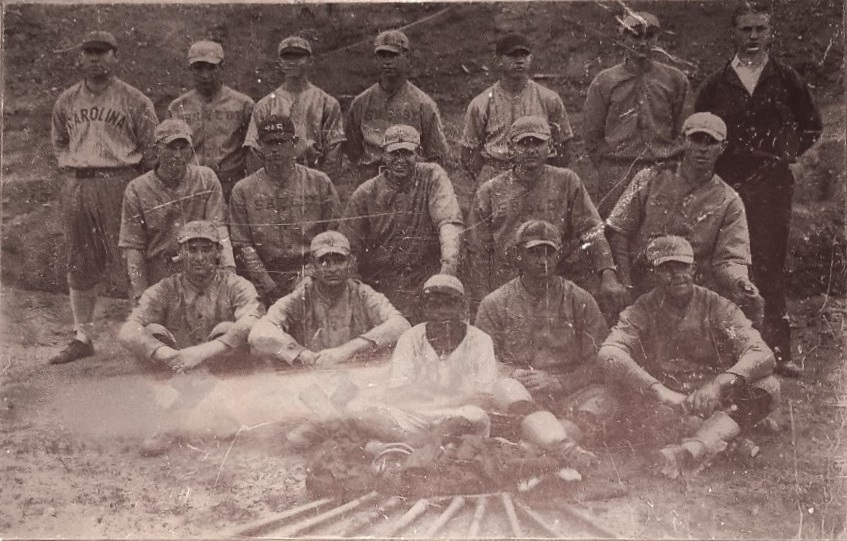
A yearbook at Shelby High School was not published until 1927. There are, however, surviving photos of some of the faculty and students before that time. They are all sports related.
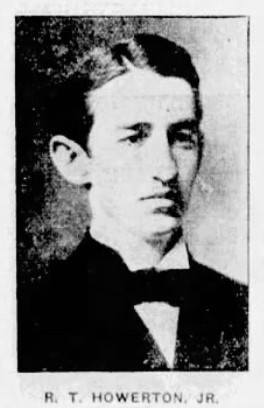
Shelby Public Schools Superintendent, Richard T. Howerton, Jr., is credited with starting the first Shelby High School football team in 1910. (see details at the SHS Football history website.)
According to Oliver S. Anthony in an interview with The Shelby Daily Star, these early games were played in a field near the intersection of Martin and West Graham Streets.
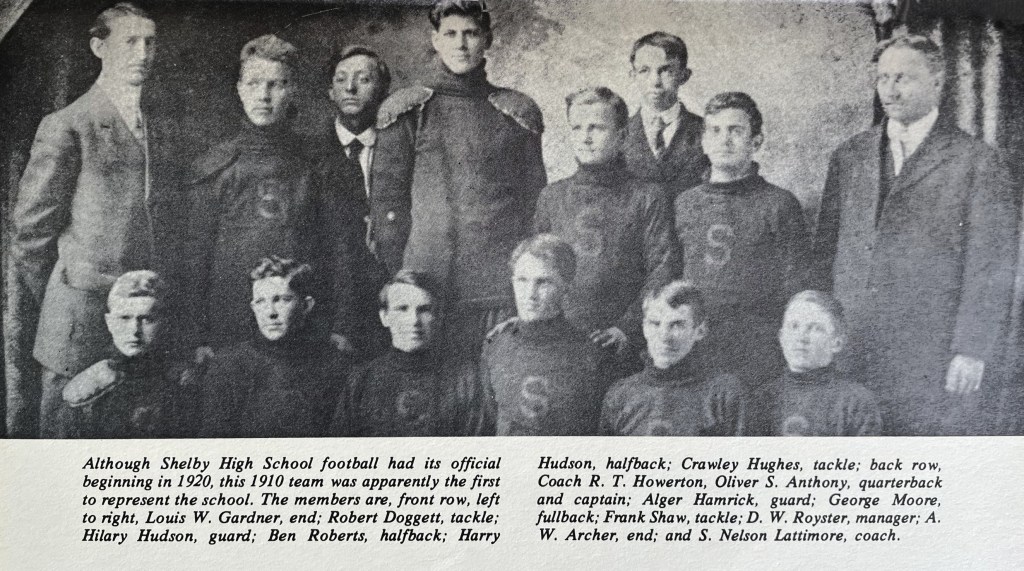
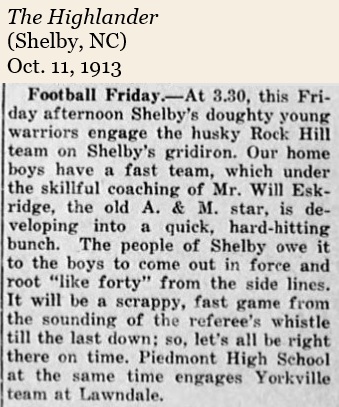
Football Friday Night has been around for a very long time in Cleveland County.
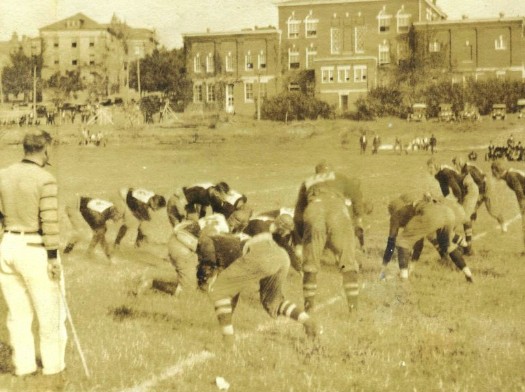
1916 SHS graduate, John Randolph “Johnnie” Hudson is in this 1917 NCSU file photo where he played two sports. Hudson made history as the first high school product from NC to play in the NFL; he played halfback and fullback for the Washington Senators in 1921.
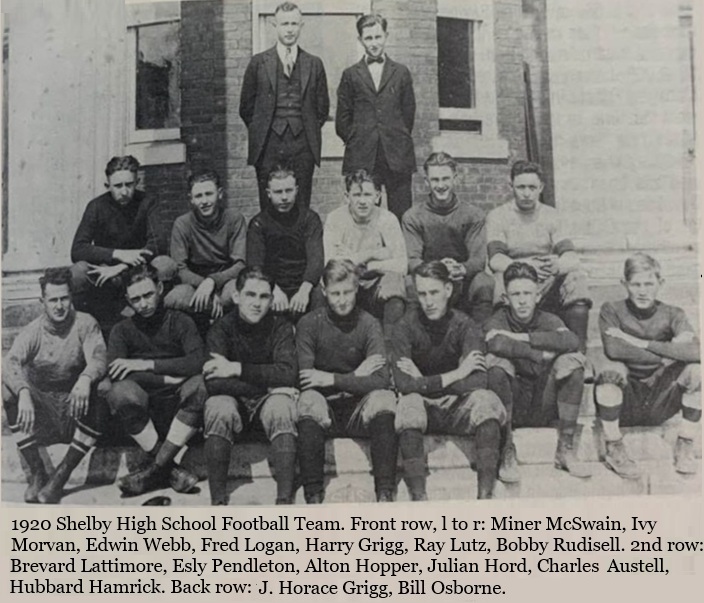
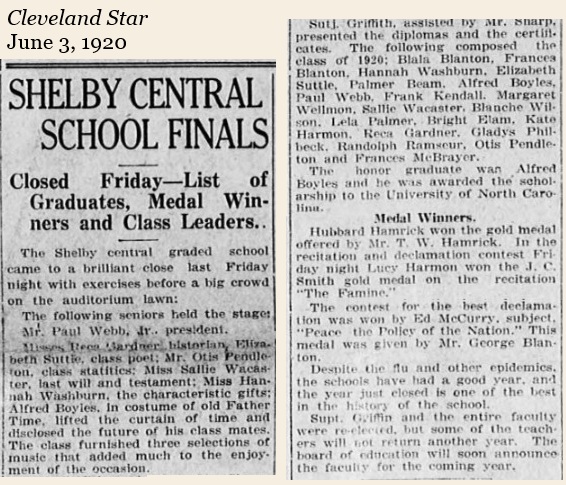
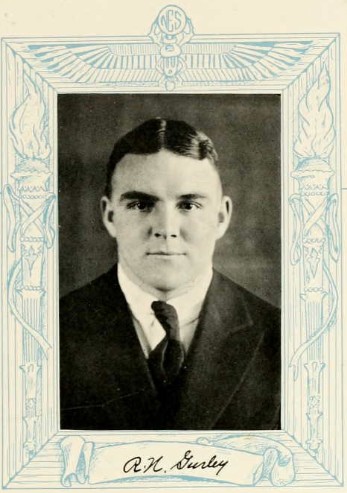
A recent graduate of NC State, Richard N. “Dick” Gurley became Shelby High’s first paid football coach in 1921.
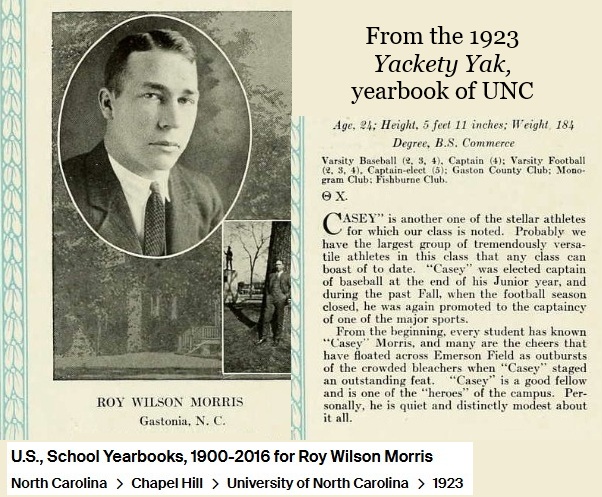
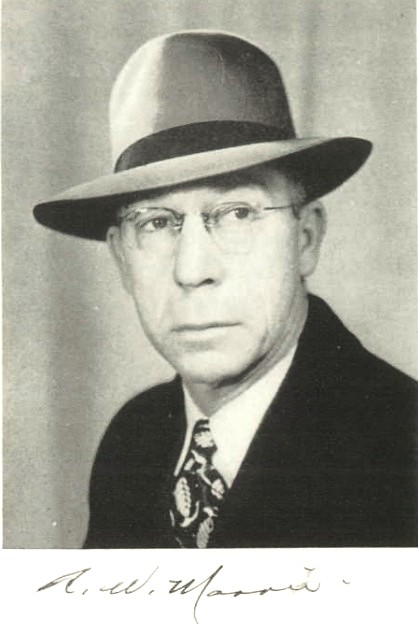
In 1924, Shelby High hired Roy Wilson “Casey” Morris as Dick Gurley’s replacement. That first year, Shelby won five straight postseason games, but lost to Rockingham in the state championship.
The 1930s
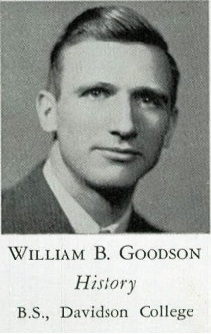
The impact of the Great Depression was felt in every arena of life in the United States and abroad. The impact on schools and school programs was also detrimental. Athletic programs in particular were often left unfunded–as was the case at Shelby. Coach Casey Morris left Shelby High in 1933 to take a position at Belmont High School. In his absence, Zeno Wall served as a volunteer coach until Bill Goodson was hired in 1934 to coach all sports. As the economy recovered, Coach Morris came back to Shelby High and would serve as head coach until 1956.
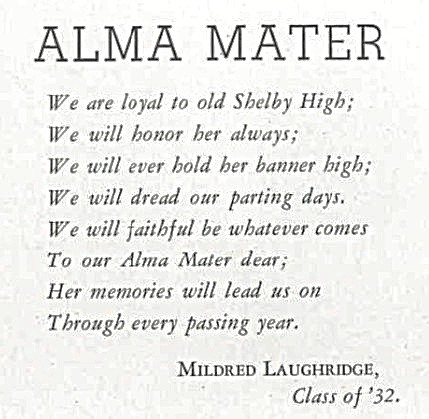
Mildred Laughridge, a member of the Class of 1932, wrote Shelby High’s alma mater which would be sung by SHS students for generations to come.
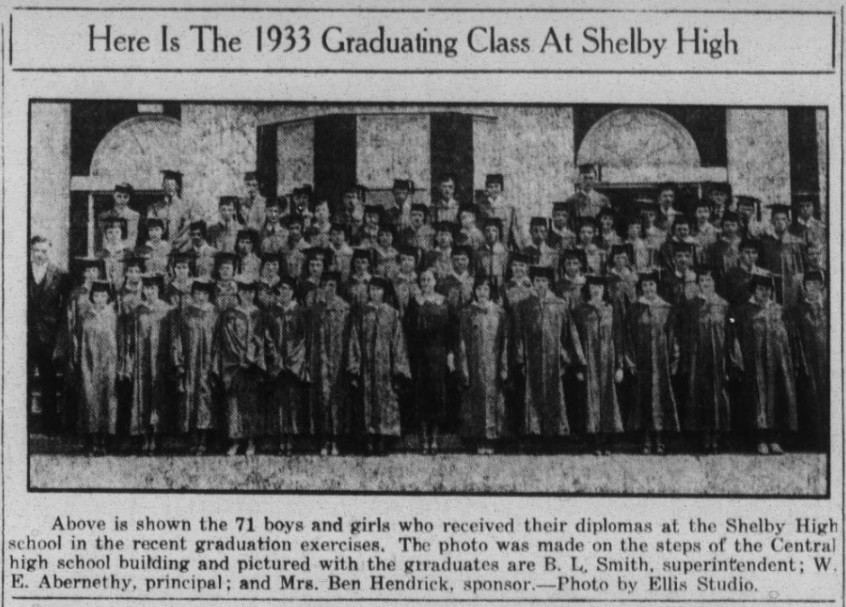
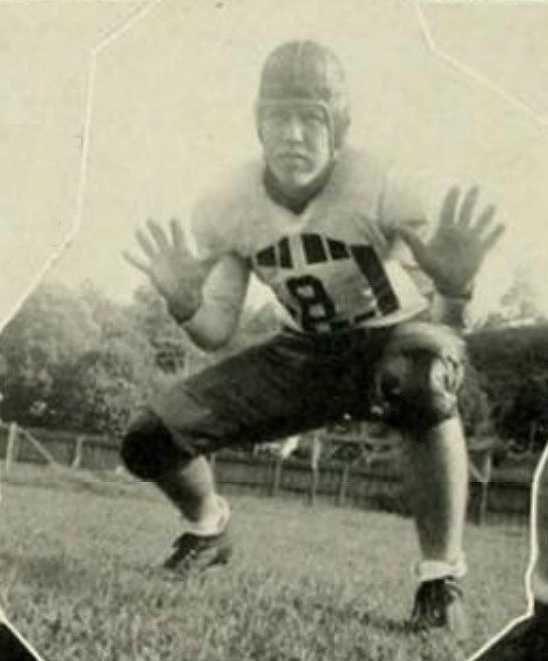
A 1936 graduate of SHS, George “Fluffy” Watts went on to play football for Appalachian State and the NFL. Watts played tackle for the Washington Redskins when they won the 1942 NFL Championship, defeating the Chicago Bears 14-6.

As Shelby grew and the student population became crowded the school board made plans for the construction of a new high school building. The new three-story Shelby High School opened at 400 West Marion Street in 1938, just a couple hundred yards west of the old school.
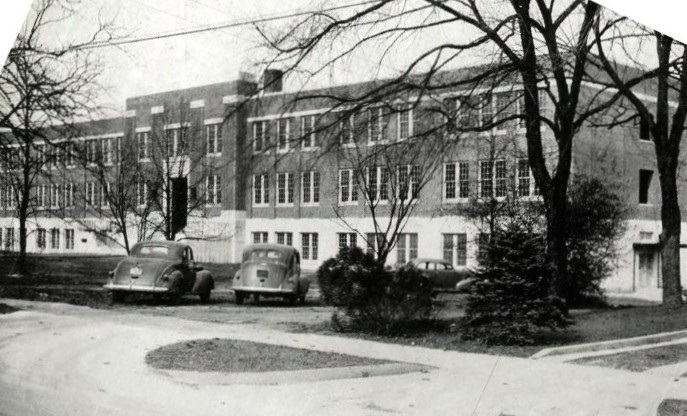
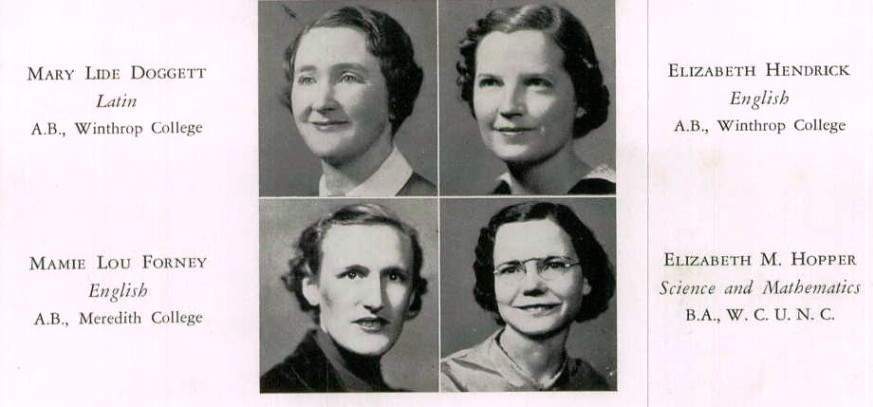
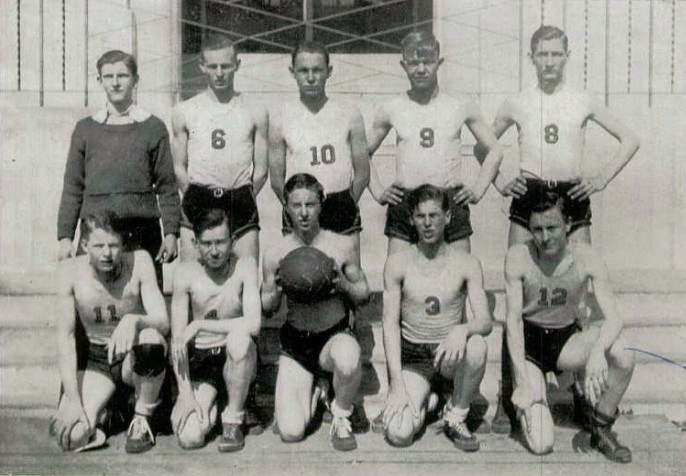
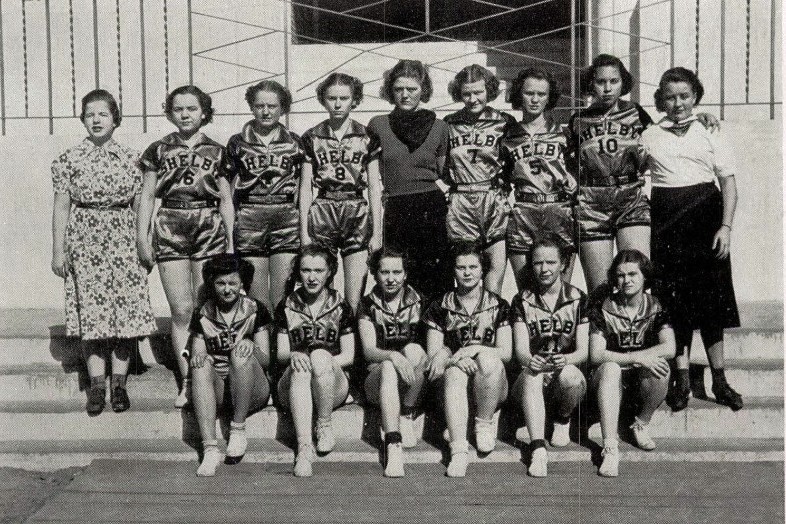
The earliest known surviving Shelby High yearbook is the 1938 edition of The Cruiser. That volume listed four English teachers, three mathematics teachers, and two teachers each of history, home economics, and science. Also on the faculty were teachers of civics, commercial science, economics, French, Latin, music, physical education, and sociology, as well as one librarian. In 1938, there were 20 faculty members and 104 seniors. At that time, the requirement for a high school diploma was the completion of 11 grades.
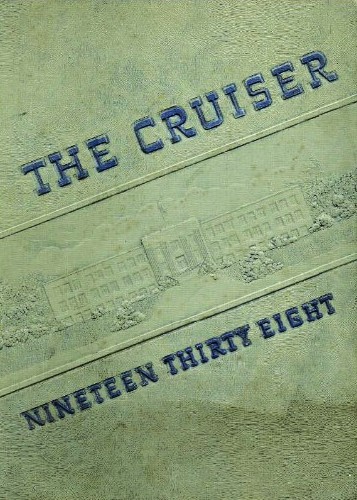
The entire 1938 Cruiser has been digitized and can be viewed on Ancestry.com, although a subscription is required for access. The photos below are a sampling from that yearbook.
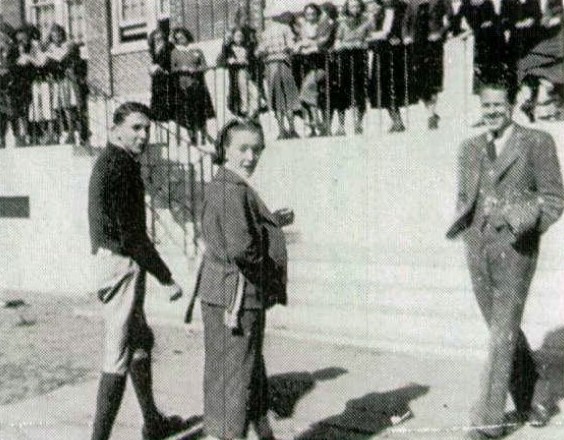
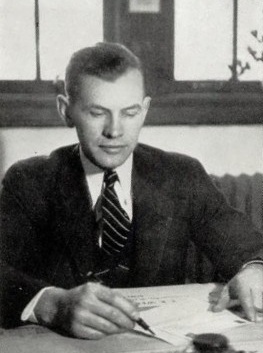
The 1940s
In 1941, the North Carolina General Assembly passed a measure directing state appropriations to set up the framework for adding a 12th grade. The state began providing funding and allotting teachers for the 12th grade to any school district that requested them for the 1942-1943 academic year. Because of World War II and the subsequent period of transition, it took a few additional years for the 12th grade to become fully mandatory and phased into diploma requirements across the state. Shelby High School did not implement the mandate until the 1944-1945 school year.
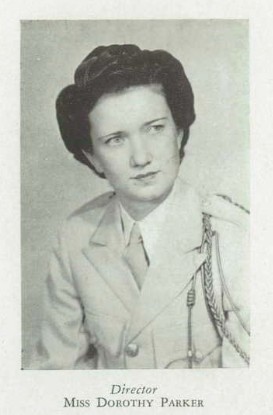
By 1945, World War II was coming to an end and the future was looking brighter. Shelby High School had added an additional seven members to their faculty and added subjects such as chemistry and Spanish–and the band director was a woman. There were 111 seniors; they belonged to the generation that would produce the “baby boom.”
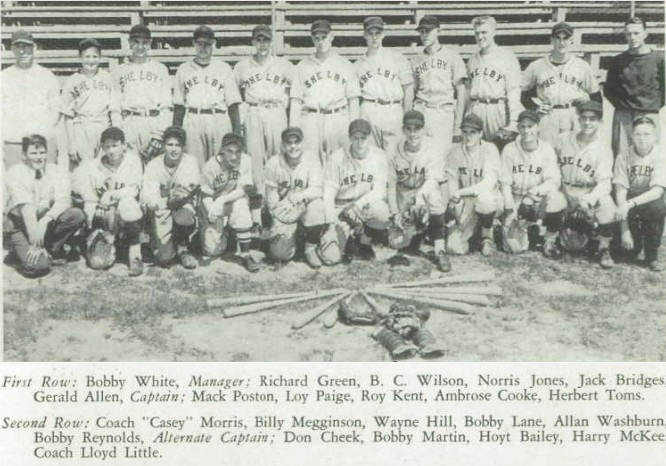
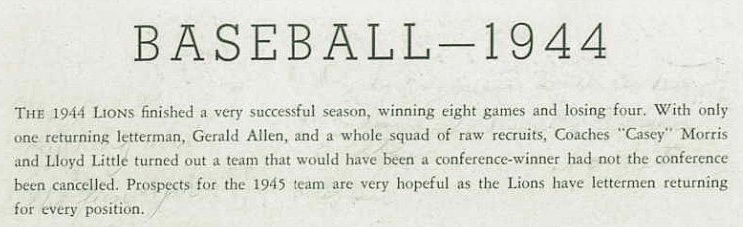
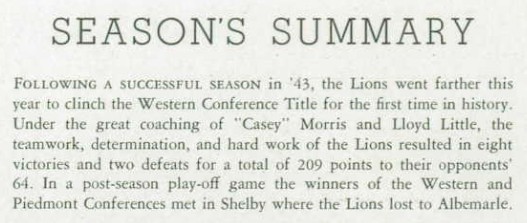
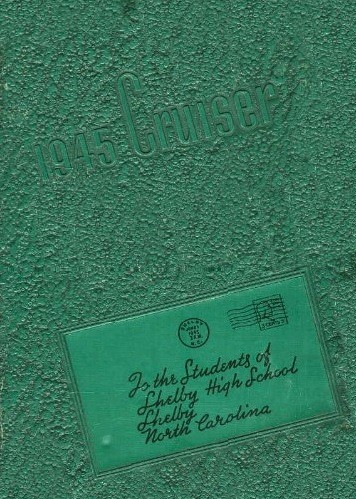
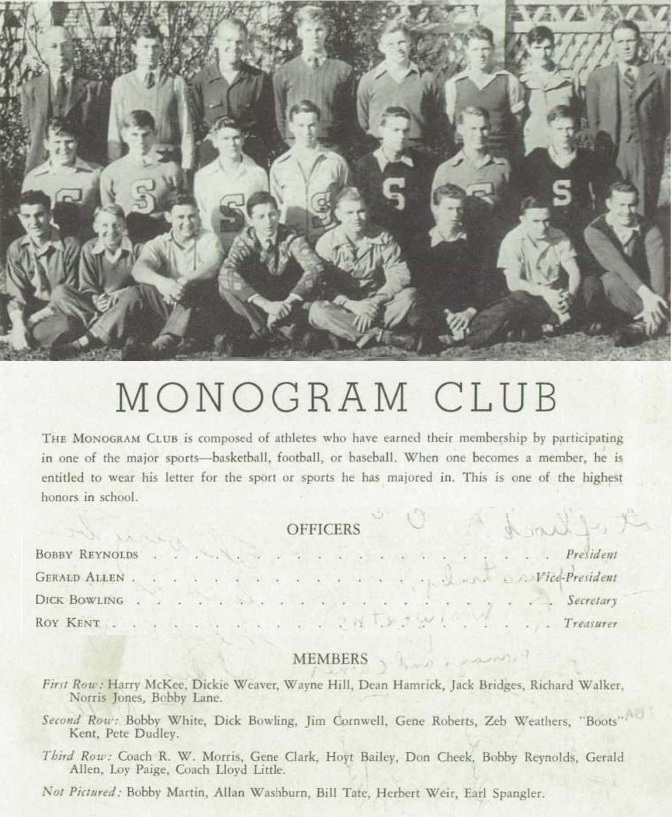
The entire 1945 Cruiser can be viewed on Ancestry.com with a subscription. The photos below are a sampling from that yearbook.
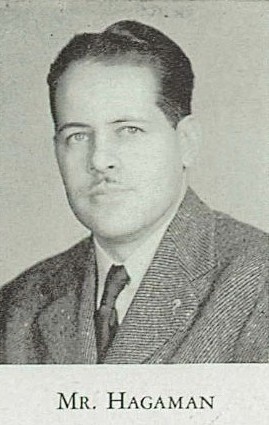
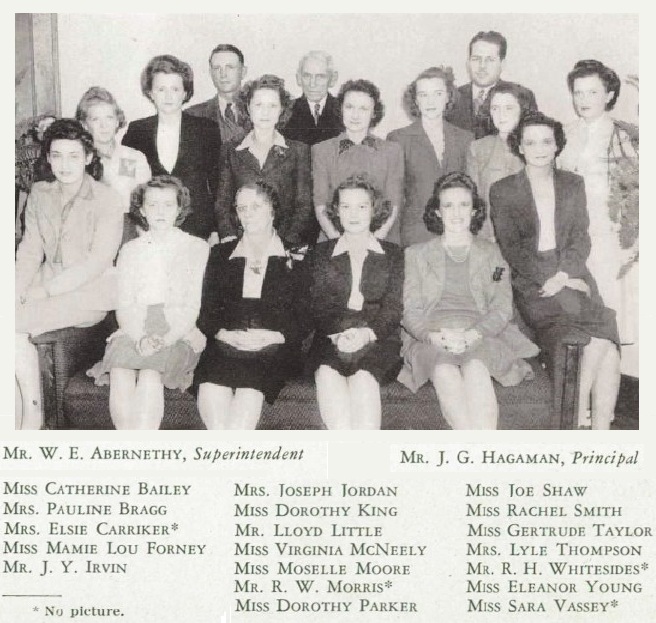
The 1950s
In 1956, Casey Morris stepped away from the head coach position to become Athletic Director at Shelby High. He had been head coach of the football team since 1924, albeit with a six year absence during the Great Depression. He had become a legend, compiling an overall record of 135 wins, 81 losses, and 16 ties. He had also built an amazing coaching staff comprised of Gerald Allen, Gene Kirkpatrick, and Lloyd Little.
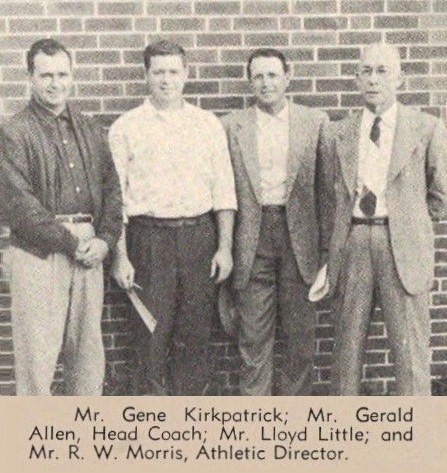
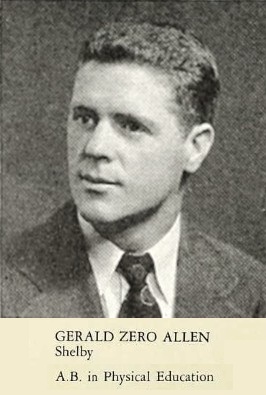
Replacing Coach Morris as Head Coach of the football team was Gerald Zero “Pearly” Allen. Allen had joined the faculty of Shelby High School after graduating from the University of North Carolina.
(Photo from the 1949 UNC yearbook.)
The nickname “Pearly” had been given to Allen as a young boy by his mother, Ethel Tate Allen. According to Gene Kirkpatrick, Jr., the story is that Gerald loved to climb trees and his mother had commented to a friend that he climbed so high he could see the “pearly gates of heaven.” The nickname remained with him his entire life. Allen would serve as head coach through the 1976 season.
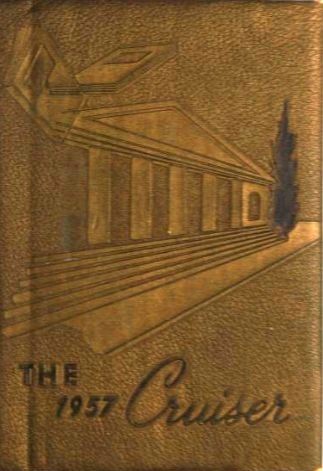
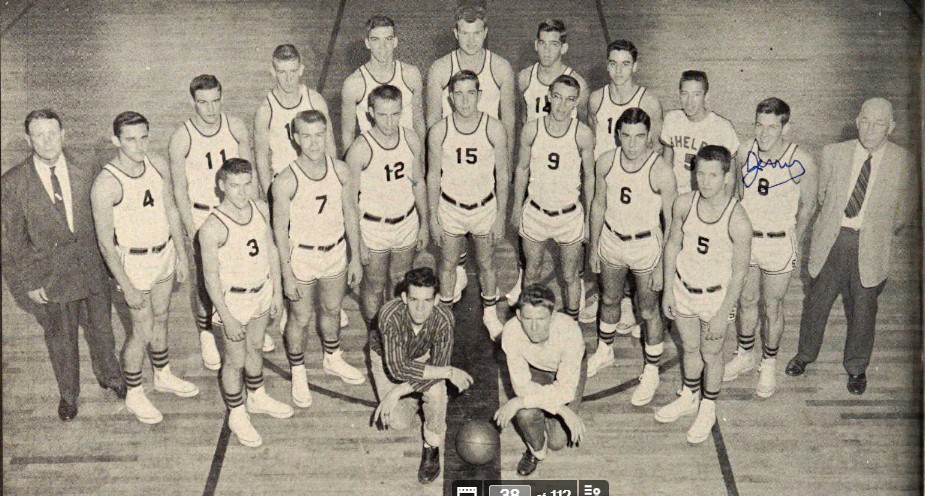
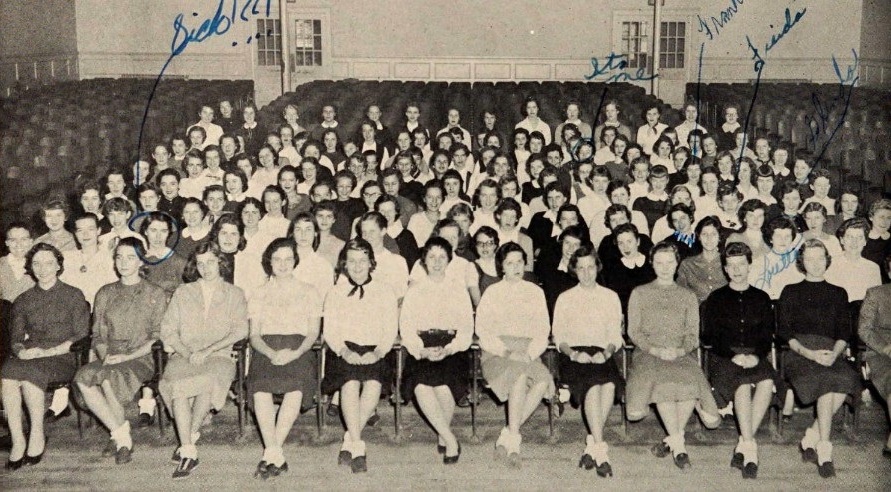
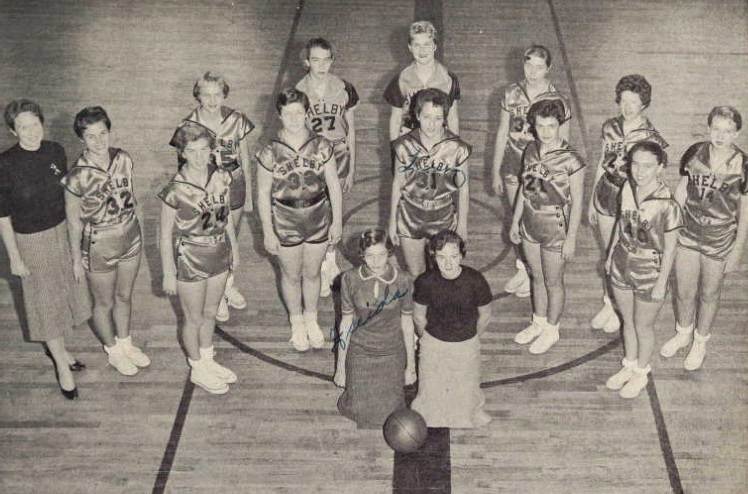
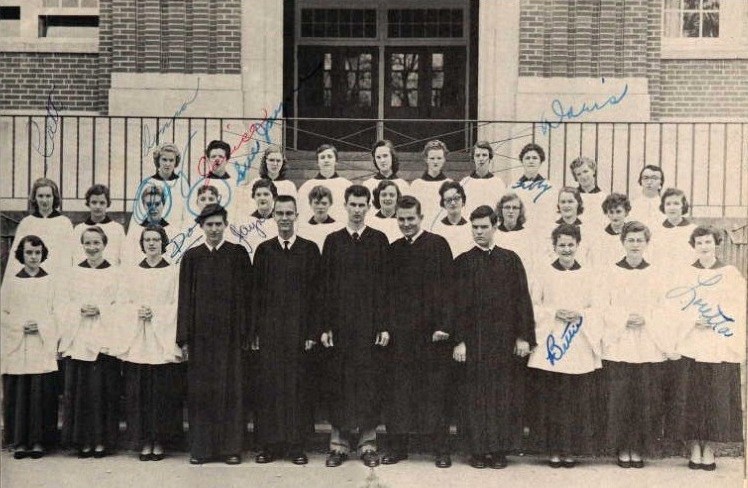
The 1957 Cruiser was dedicated to their new head football coach.
The photos below are a sampling from that yearbook. The entire yearbook is freely accessible at The Internet Archive.
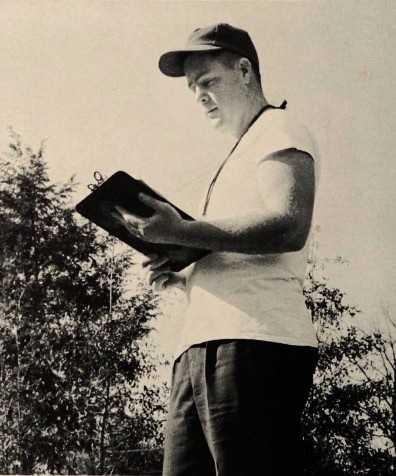
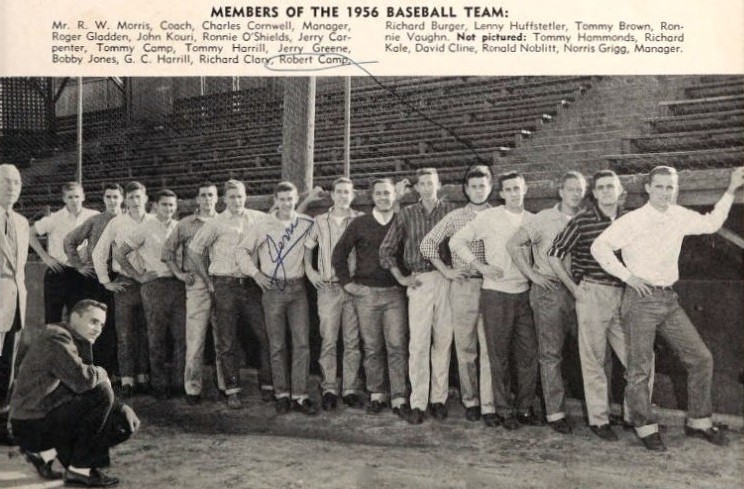
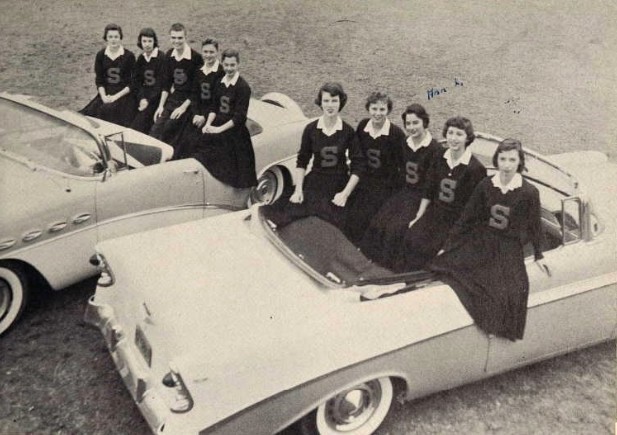
The 1960s
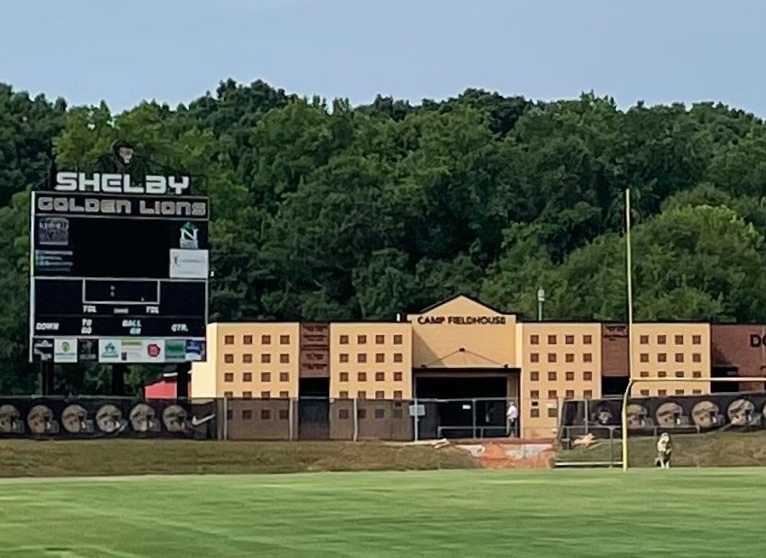
The early 1960s brought planning for the construction of a new building for Shelby High School. The project was funded and finished in time for the SHS Class of 1961 to hold their graduation in the new stadium. The official opening was held on September 10, 1961. NC Gov. Terry Sanford was the speaker at the dedication ceremony.
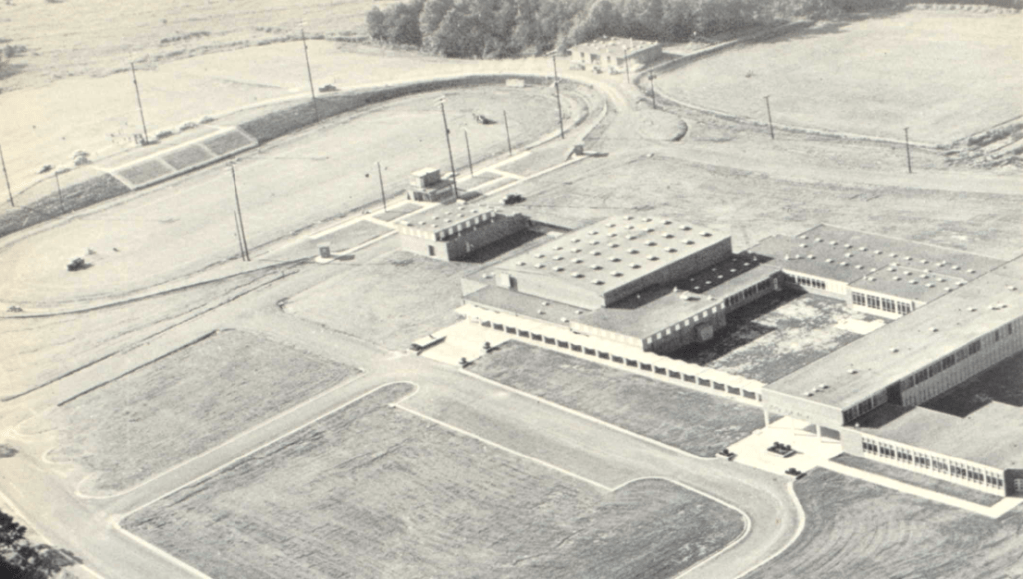
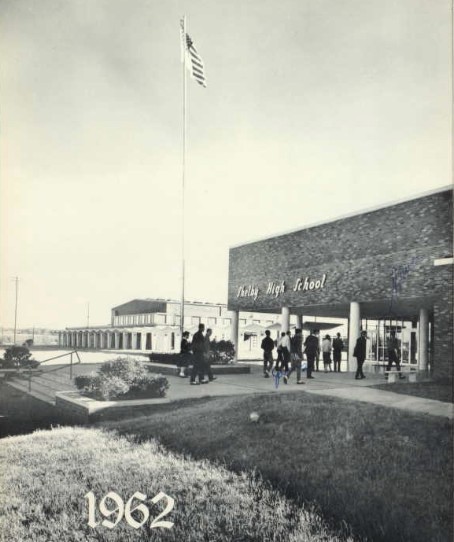
When the new building opened, a sculpture of a lion–the school’s mascot for decades–was installed near the steps of the gymnasium. Named “Leo,” he endured numerous splashes of paint by rival schools over many years.

In 1954, the Supreme Court had unanimously ruled in Brown v. Board of Education that separate educational facilities for white and black students are inherently unequal. This decision ended the legal backing of the 1868 Plessy v. Ferguson that had argued racial segregation was constitutional as long as the segregated facilities were equal in quality. In practice, the doctrine had been used to justify the widespread “Jim Crow” laws that condemned Black Americans to heavily inferior facilities.
While the 1954 ruling laid the foundational legal groundwork by making segregation illegal on paper, it would be 10 years before a mechanism for enforcement was implemented. Actual desegregation was met with massive resistance and so progressed slowly. In 1964, the Civil Rights Act was passed by Congress and signed into law by President Lyndon Baines Johnson. This legislation provided the actual government infrastructure and federal enforcement power to end the Jim Crow era in practice.
In Shelby, the year before the 1964 Civil Rights Act was passed, the school board initially refused a request from Ray Cabaniss whose son was ready to transfer from Cleveland High School to Shelby High School. With the potential for litigation, the board reconsidered Cabaniss’s request and not only admitted his son, but began recruiting other Black families. On August 27, 1963, Mary Borders, Rayfield Cabaniss, Severne Logan, and Cynthia Lowe became the first Black students to attend Shelby High School.
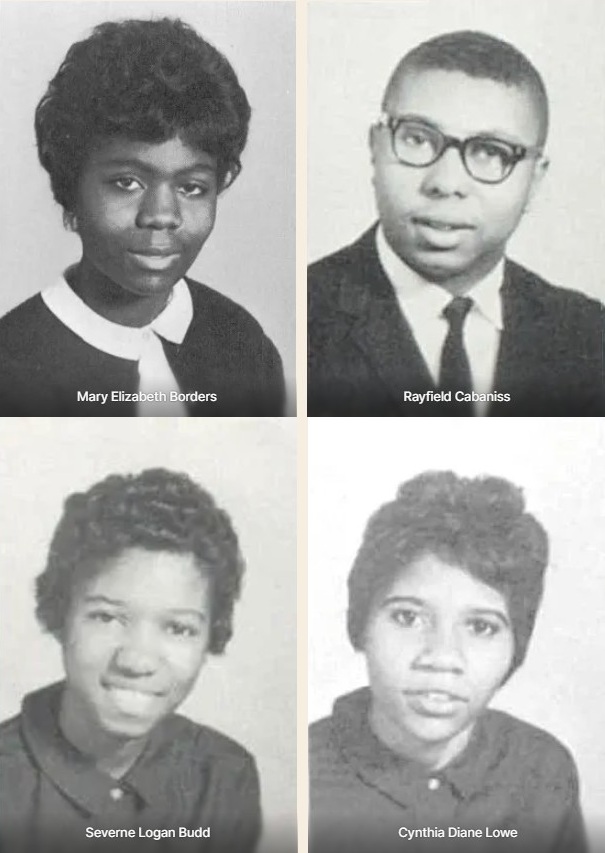
In 2023, in an interview with Severne Logan Budd, Rebecca Sitzes wrote an article in The Star about the “Shelby Four” who made history at Shelby High School.
The 1963-1964 school year was eventful in another way–President John F. Kennedy was assassinated on November 22, 1963. ABC News Radio interrupted its regular programming at 1:36 PM. Shelby schools dismissed early soon after. It was a tragedy that left these students with the lasting memory of where they were when they heard the news–in class at Shelby High School.
For the 1966-1967 school year, Shelby High School hired its first Black teacher. Mr. Jethro Henry taught biology and senior science classes. He was promoted to Assistant Principal in 1969.

Then for the 1967-1968 school year, David Banks, Earl Jones, and John Winston joined the faculty. All became beloved SHS faculty members.


The SHS students of the ’60s came of age while civil rights protests were going on, Kennedy was assassinated, Martin Luther King was assassinated, Robert Kennedy was assassinated, the Vietnam War was raging, and in the spring of 1970, four students were killed at Kent State University in Ohio by National Guardsmen. Several of these young men at Shelby High School were drafted into military service. To address intense public criticism that the previous conscription system unfairly targeted poor and uneducated men, the United States reinstituted the military draft lottery on December 1, 1969.
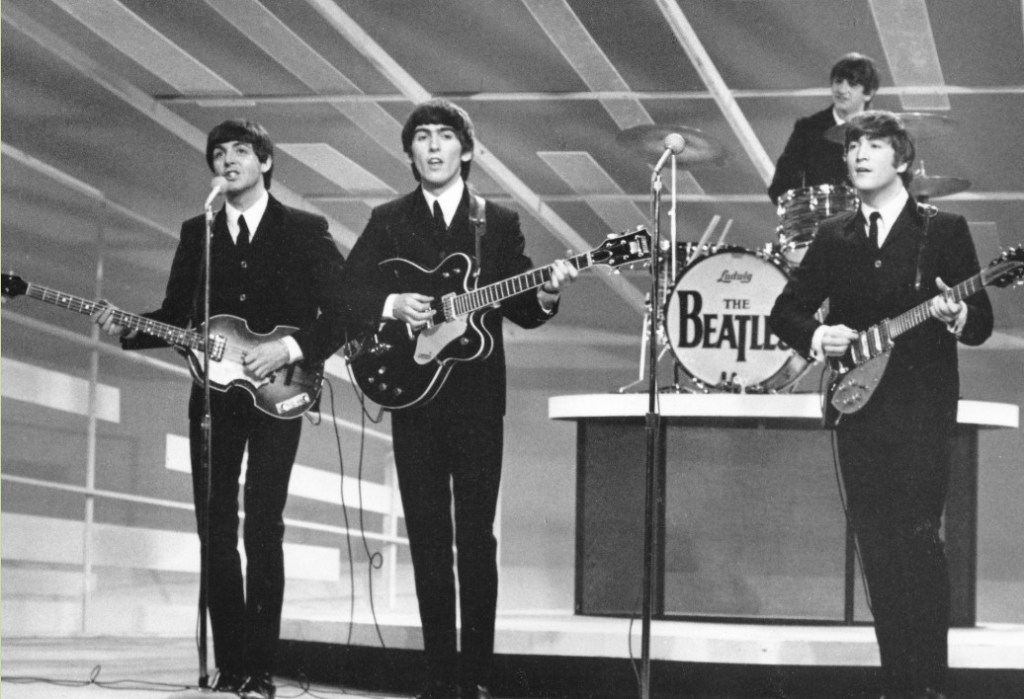
The ’60s were turbulent times, but most of these former students who are now senior citizens consider themselves fortunate to have lived during a time when the greatest music ever recorded was on Billboard’s top 40 and playing on the radio. And most remember tuning into the Ed Sullivan Show Sunday night, February 9, 1964 to see The Beatles perform on live TV.
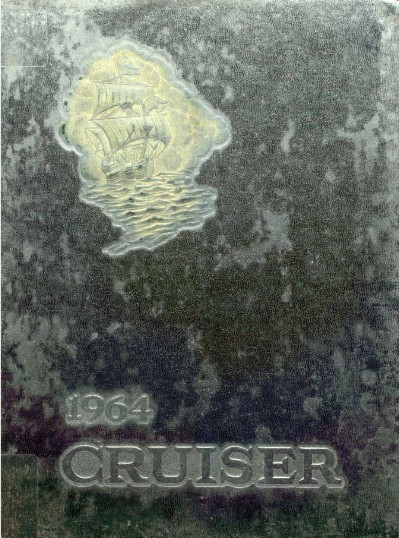
The 1964 SHS Cruiser is accessible with a subscription at Ancestry.com. A few of the photos from that volume are below.

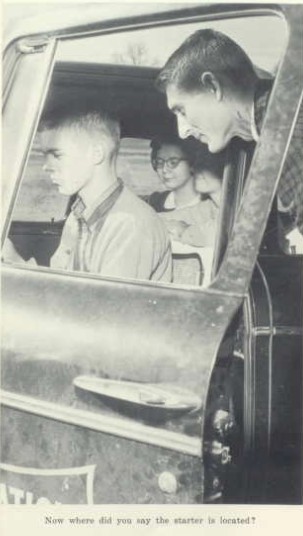
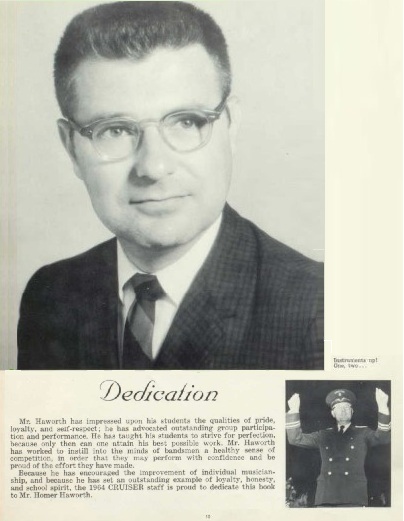
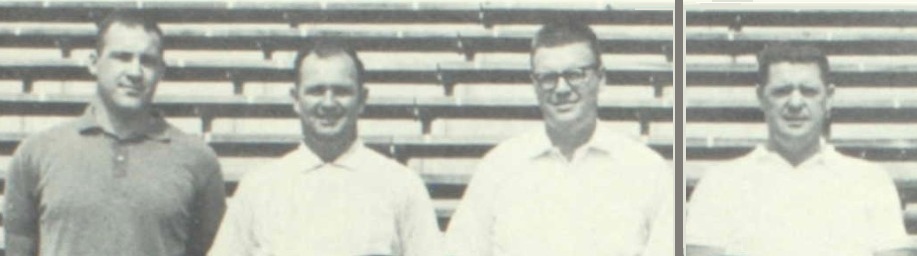
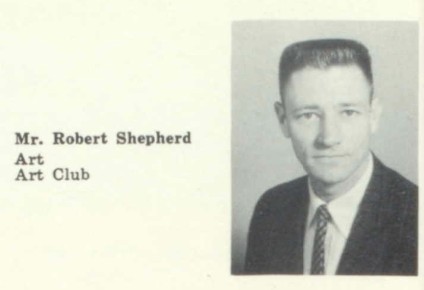
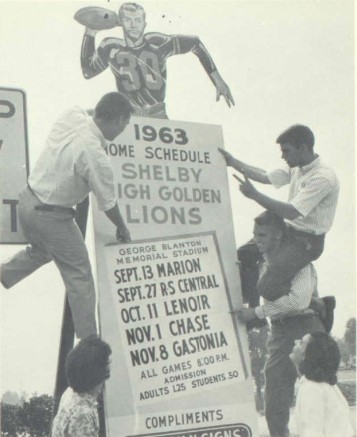
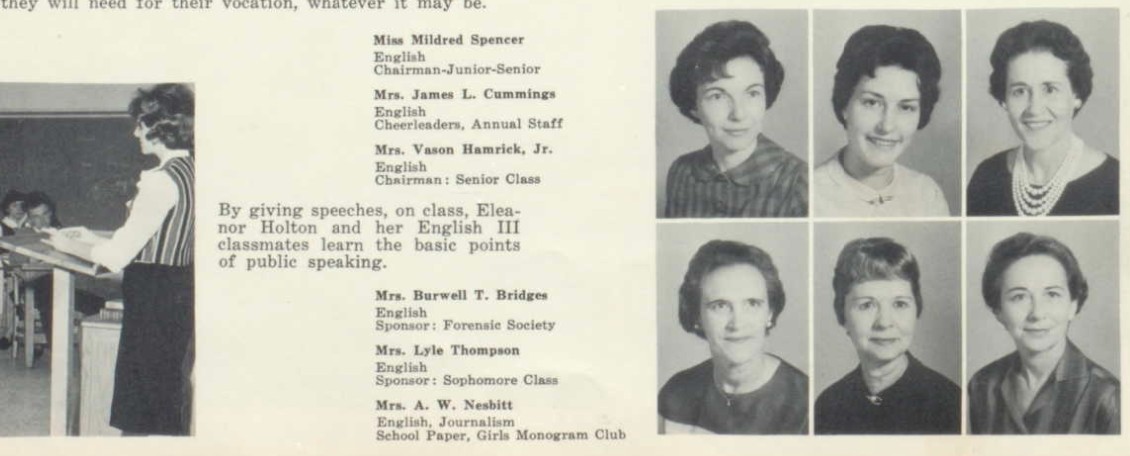
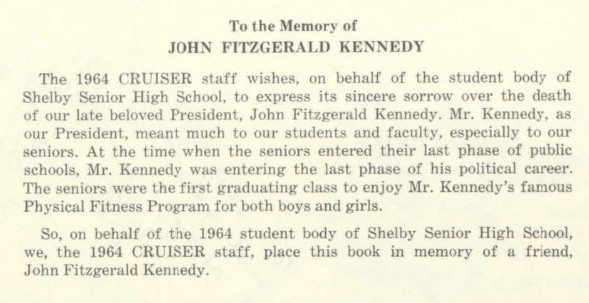
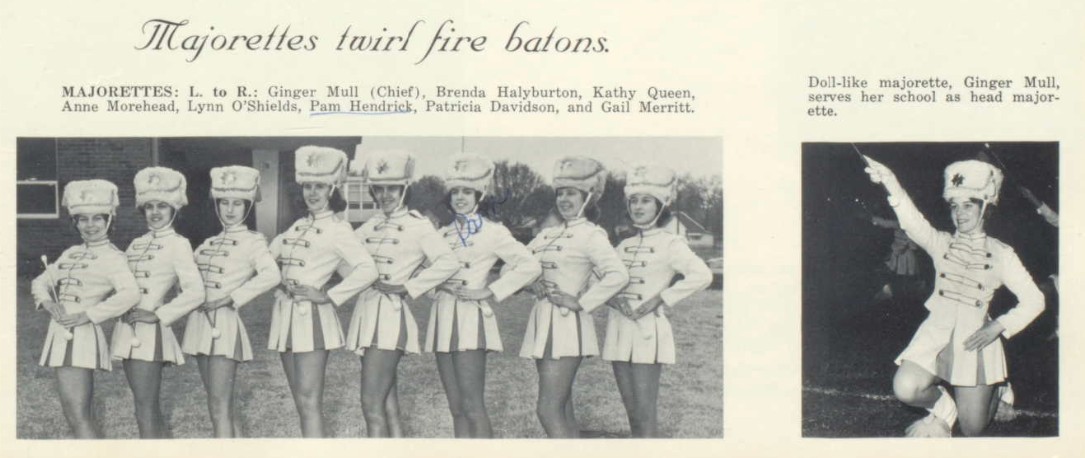
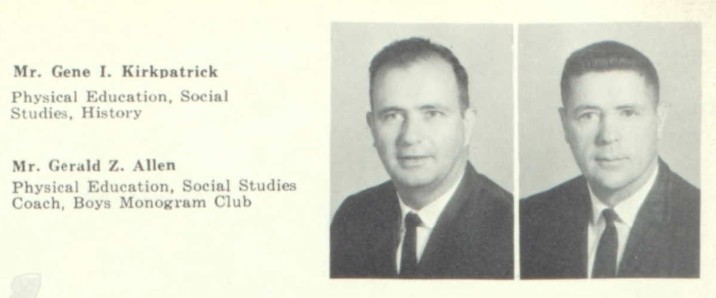
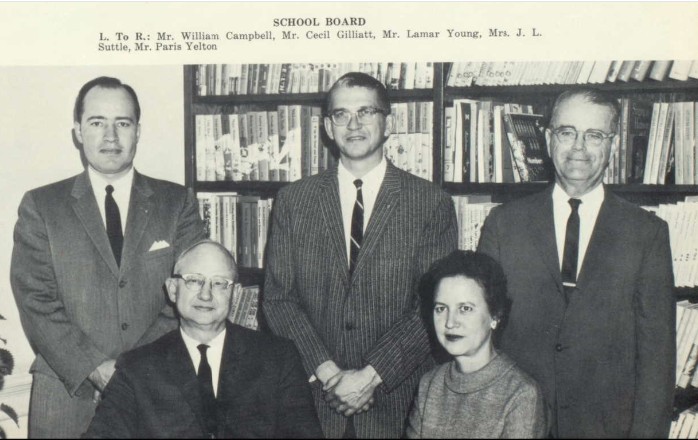
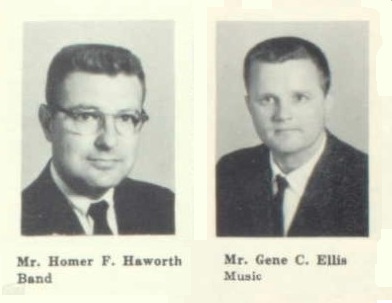
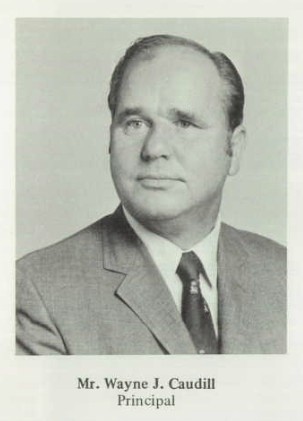
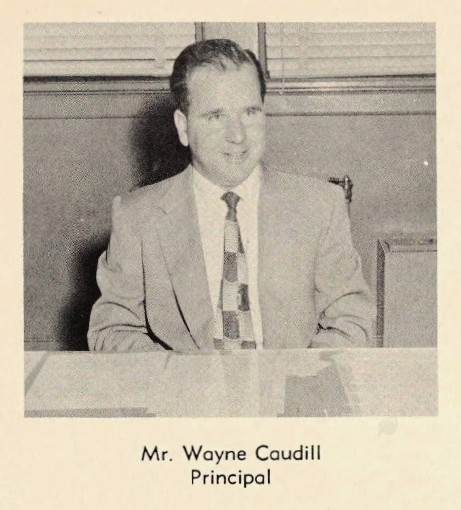
The 1969-1970 school year was the last for SHS’s longest serving principal, Wayne J. Caudill.
The 1970s
The early 1970s marked a transformative era for the rights of women and girls. Congress passed six acts addressing equal rights for women. One of these impacted girls in schools and colleges. Known as Title IX of the Education Amendments, this landmark legislation prohibited discrimination based on sex in any education program or activity that receives federal funding.
The law was rolled out and implemented in phases. In 1975, the Department of Health, Education, and Welfare issued comprehensive regulations that formally required educational institutions to comply and set guidelines for equal opportunity, particularly in athletics. Schools were generally given a three-year window to fully implement these athletic regulations.
In 1970, athletic programs for girls included basketball and tennis. By 1979, girls had those two as well as additional options available to them–girl’s softball, volleyball, track, and swim team had become welcome additions at Shelby High.
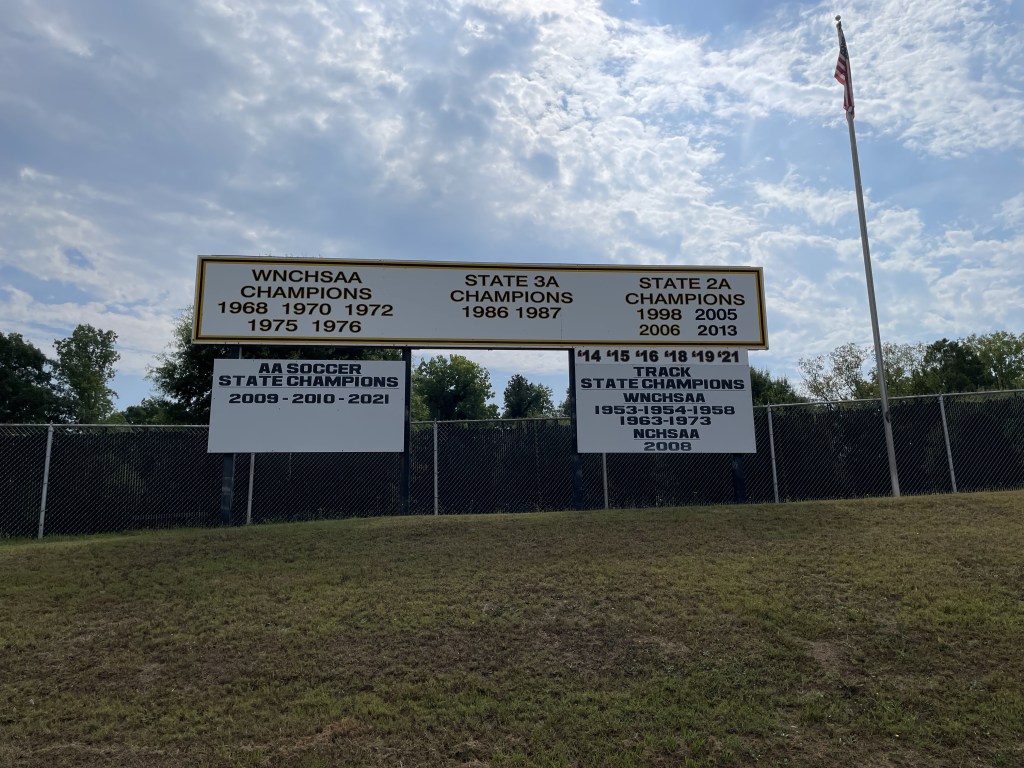
The Golden Lions basketball team experienced a golden era, bringing home the NCHSAA State Championship in 1970 and 1973. The golf team won the WNCHSAA title in 1971, 1972, and 1973. The track team won its association title in 1972 and 1973. And for the first time, in 1974, SHS had a wrestling team.
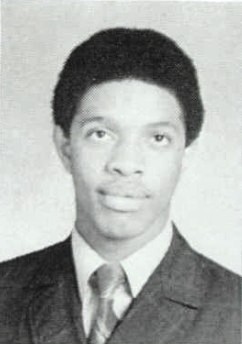
Class of ’73 alum Alvin Gentry went on to serve six different basketball franchises, most notably his 1988 NCAA Championship as an assistant at Kansas, and his 2015 NBA Championship as associate head coach of the Golden State Warriors.
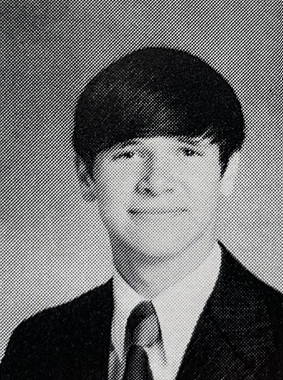
Another Class of ’73 alum, Rick Latham, went on to become is a world-renowned session drummer, clinician, and author. Latham has built an illustrious international career backing music legends such as B.B. King, Edgar Winter, and Juice Newton.
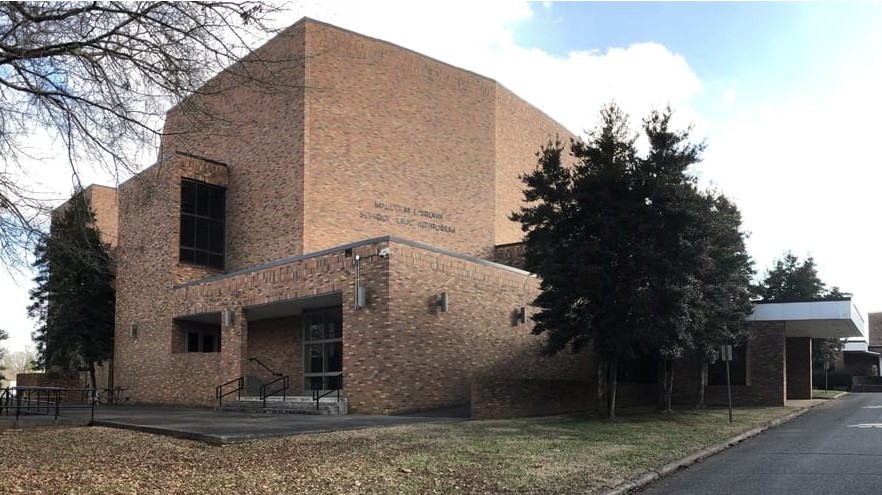
Also in the 1970s, Shelby High School continued to grow and improve facilities. Additional classrooms were added in 1974 and on August 21, 1976, the new Malcolm Brown Auditorium was dedicated, ushering in a new era of great student performances.
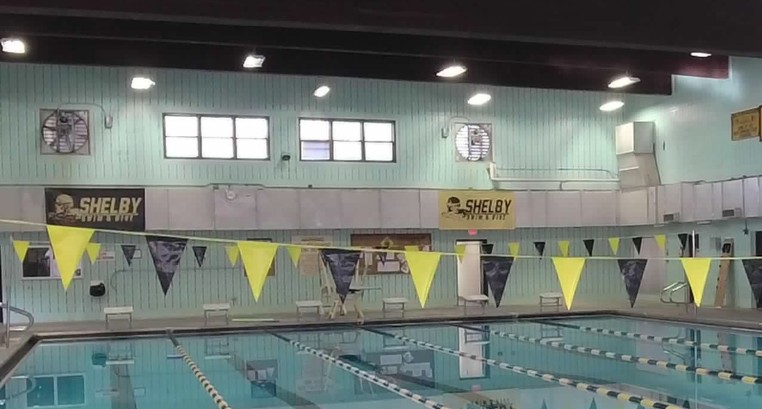
In 1978, a 25-meter natatorium was constructed, providing new opportunities for student athletes.
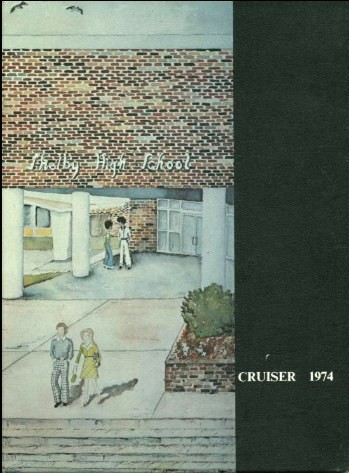
The 1974 Cruiser has been digitized at The Internet Archive. It is freely accessible.
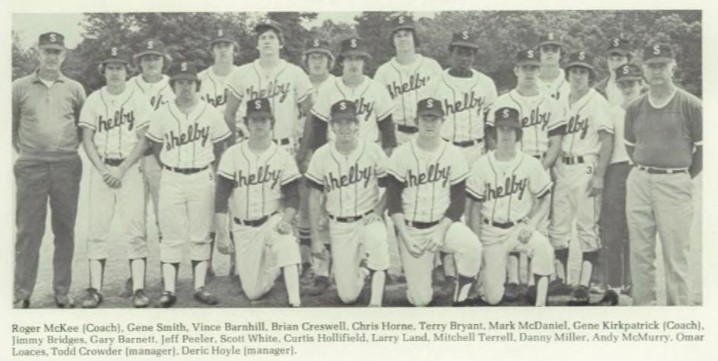
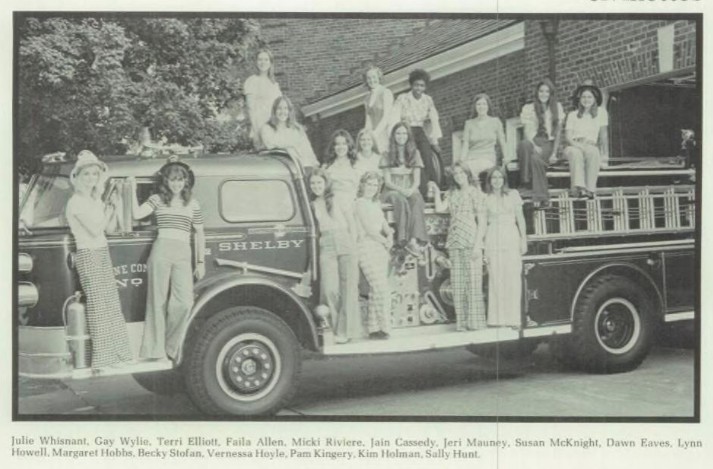
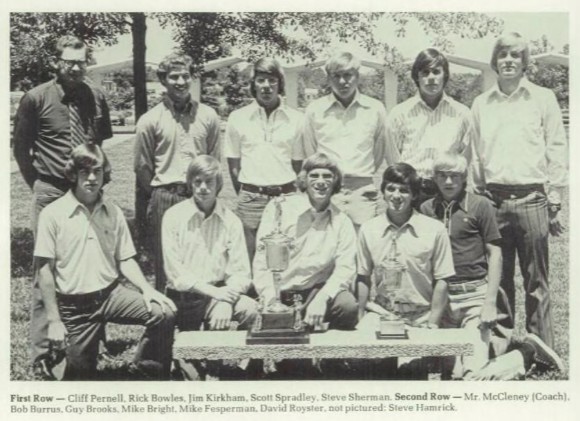
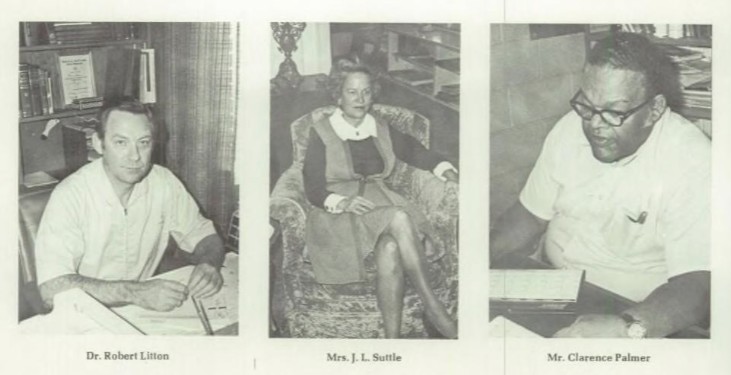
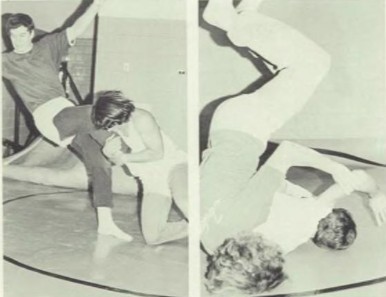
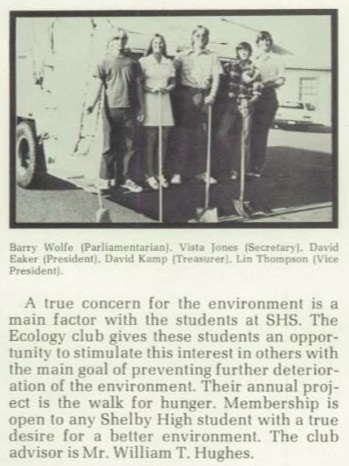
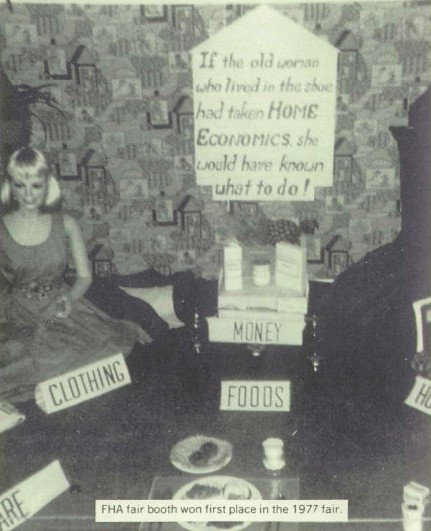
In 1977, Gerald Allen retired as head coach of the football team. During his 21 years in the position, he compiled a career record of 175 wins, 49 losses, and 14 ties. His teams posted a winning percentage of .782 and captured 11 conference titles alongside 5 Western North Carolina High School Activities Association (WNCHSAA) championships. He also led Shelby to its first-ever state title in 1968, followed by additional titles in 1970, 1972, 1975, and 1976.
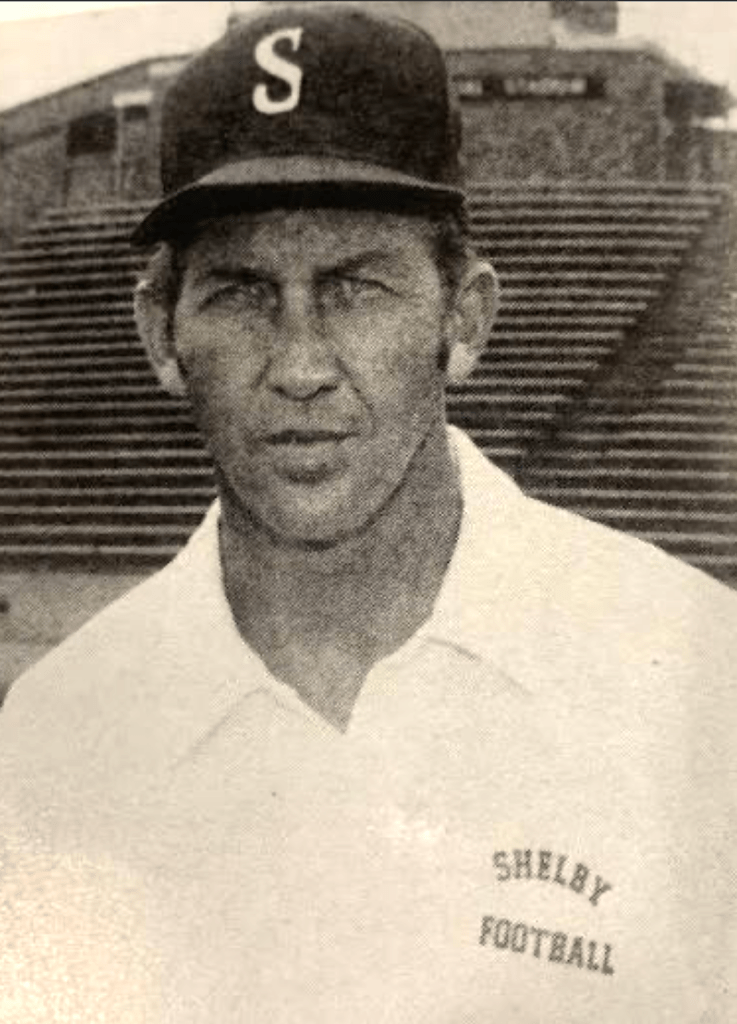
Stepping into the head coach position was Jim Taylor. Taylor was head coach from 1977 through the 1997 season, compiling an impressive record of 201 wins, 54 losses, and2 ties.
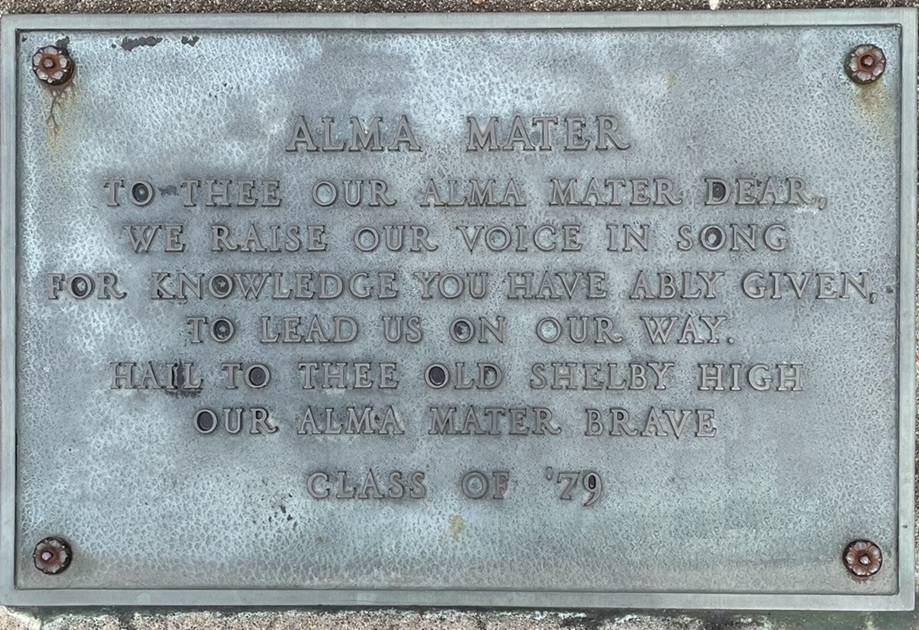
The SHS Class of 1979 donated a cast bronze plaque commemorating the Alma Mater. It sits atop a brick pillar along the sidewalk near Leo.
The 1980s
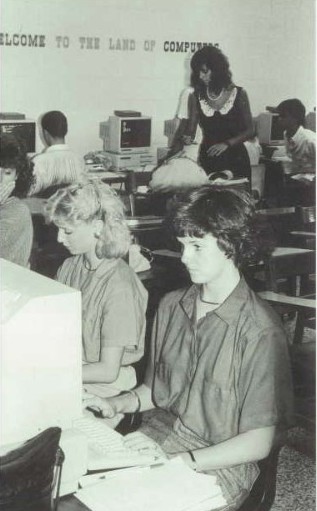
The ’80s brought computers to Shelby High School. Early computers popular in school settings were the Apple II, the Commodore, and the TRS-80 (Tandy/Radio Shack).
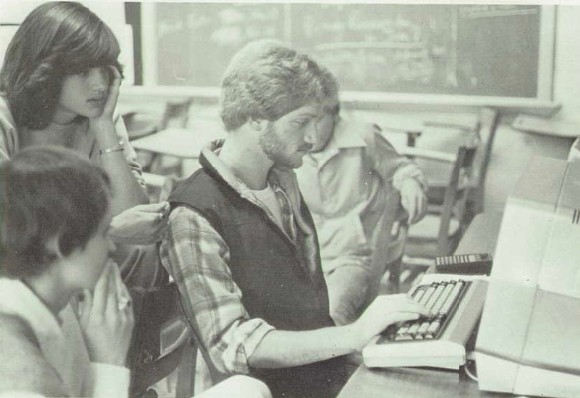
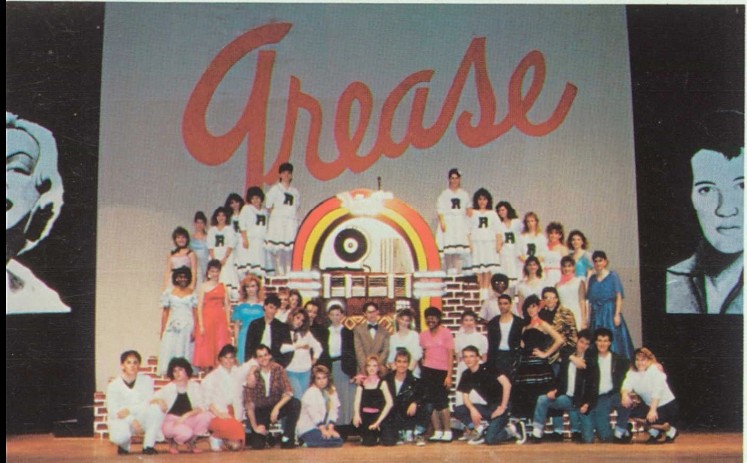
In 1980, the school theatre department produced a well-received rendition of Rodgers and Hammerstein’s Oklahoma that was so successful, the cast was invited to perform at the NC State Superintendents’ Convention in Wilmington, NC.
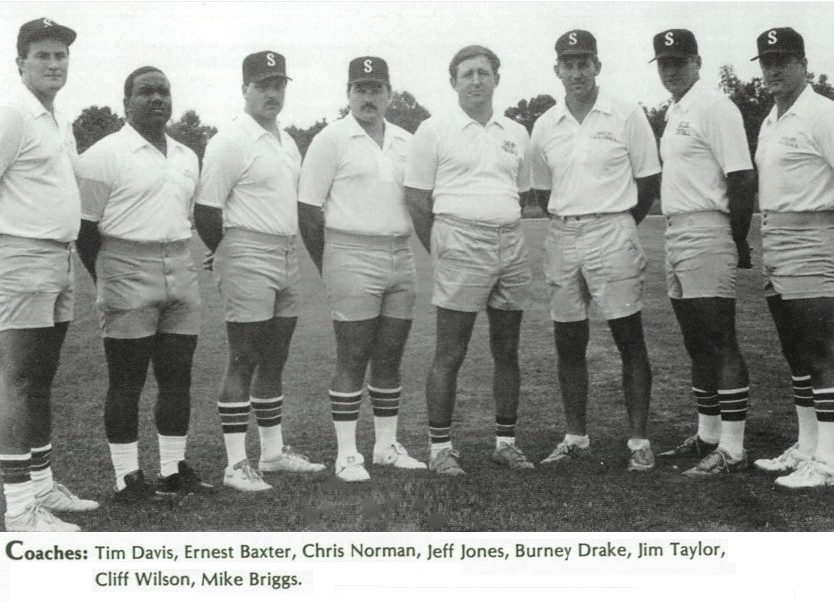
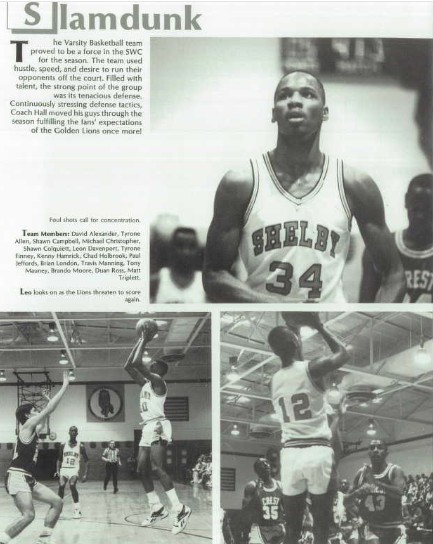
Head Coach Jim Taylor led SHS to three NCHSAA state championships during the 1980s. The Golden Lions won the WNCHSAA Western 3A Division II championship in 1984. The team won consecutive 3A State Championships in 1986 and 1987.
In 1987, a major change took place in the Shelby City Schools system. Years in the making, the middle school model was advancing all over the nation. This model favored grades 6 through 8 as a middle school over the 7 through 9 junior high model. The realignment meant 9th graders would be joining grades 10 through 12 at Shelby High School. Shelby High School would have with them a freshman class. The change was implemented at the beginning of the 1987-1988 school year. That year enrollment increased from 825 the previous school year to 1057.
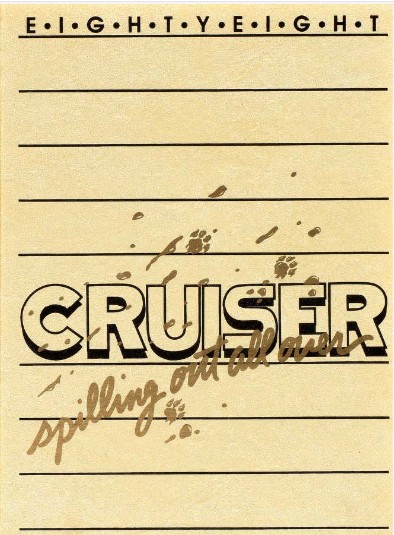
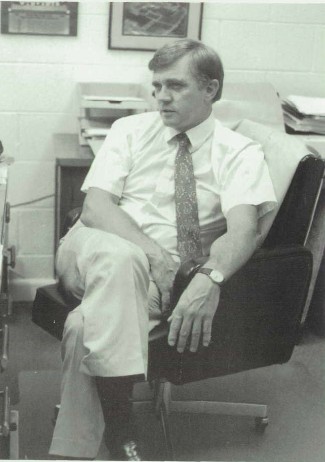
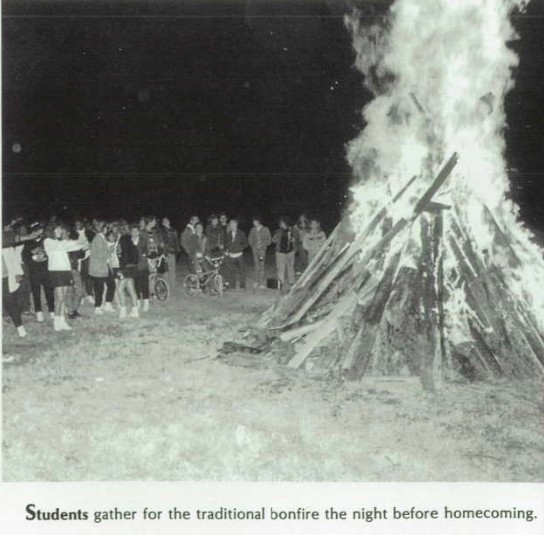
The 1988 Cruiser is at Ancestry.com.
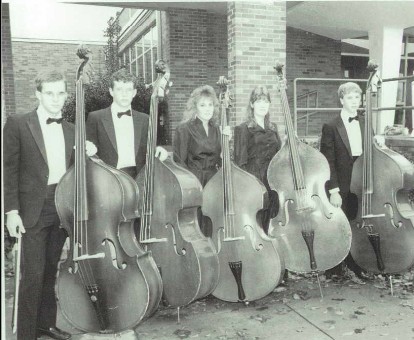
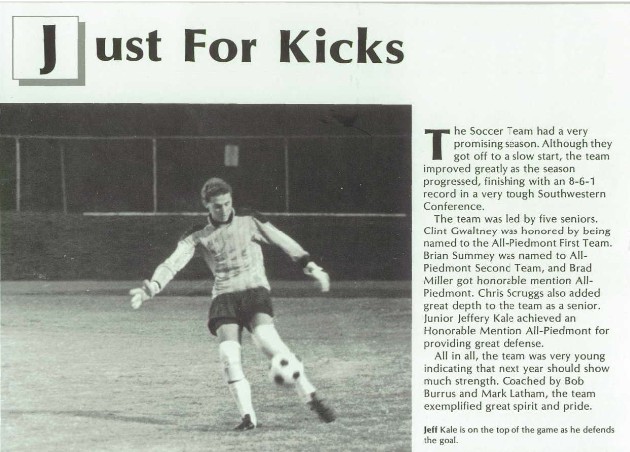
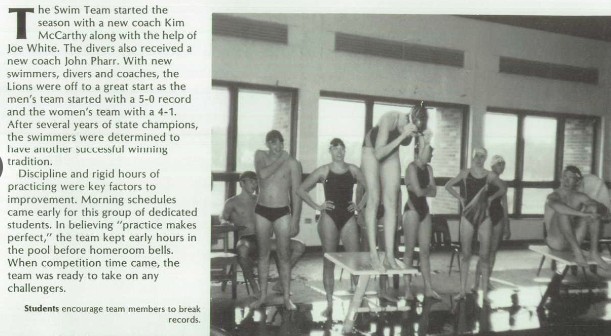
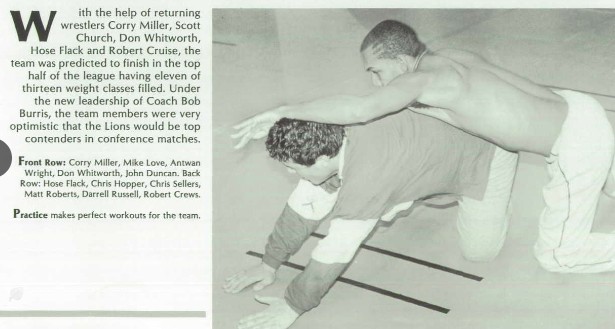
The 1990s
In 1991, North Carolina General Assembly passed statutes to make administrative unifications easier, prompting the consolidation of multiple city and county school systems. This marked the beginning of talks regarding the consolidation of Shelby and Kings Mountain City Schools with Cleveland County Schools.
In 1993 the number of units required for graduation increased from 16 to 20.
Also in the ’90s, the SHS campus underwent major physical updates, adding new computer classrooms, a student commons area, and a band room addition. New technologies and their issues arose as well–the Internet, email, and pagers became part of mainstream communications.
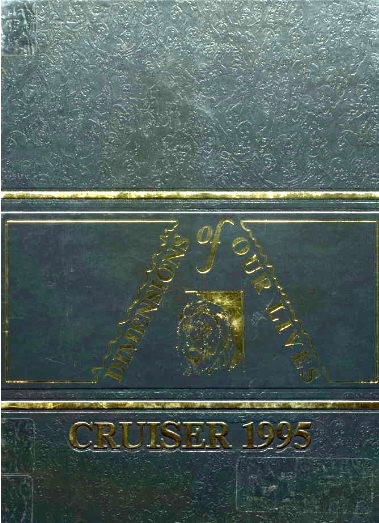
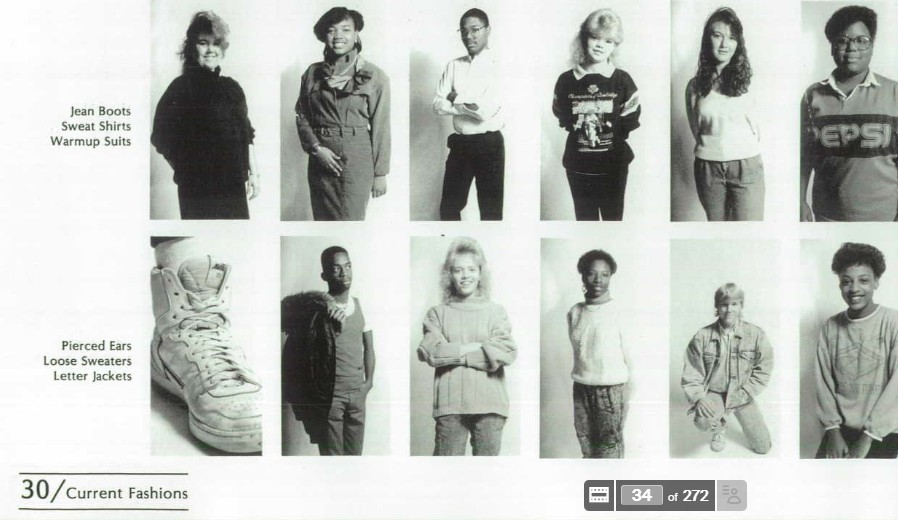
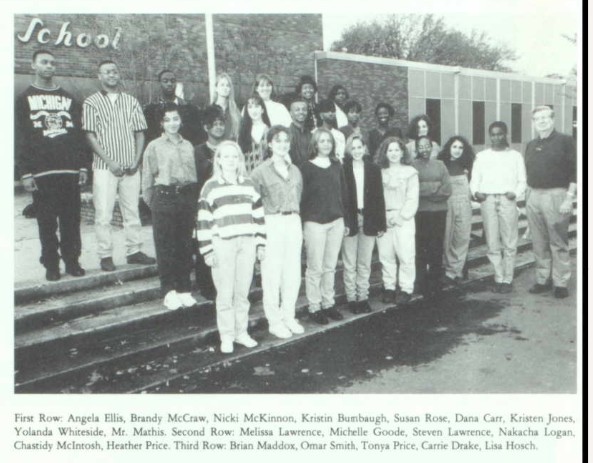
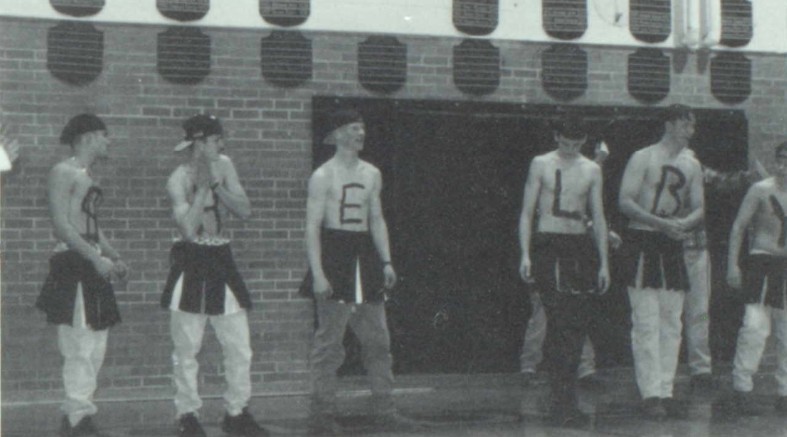
Images from the 1995 Cruiser are at Ancestry.com.
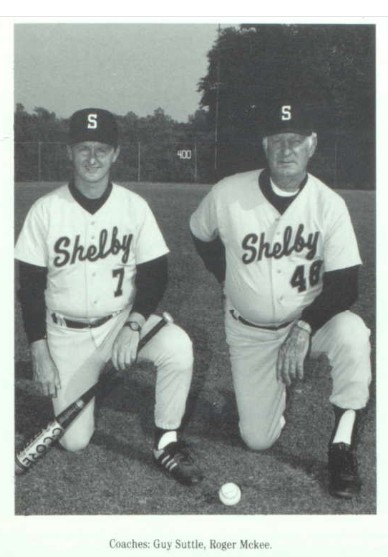
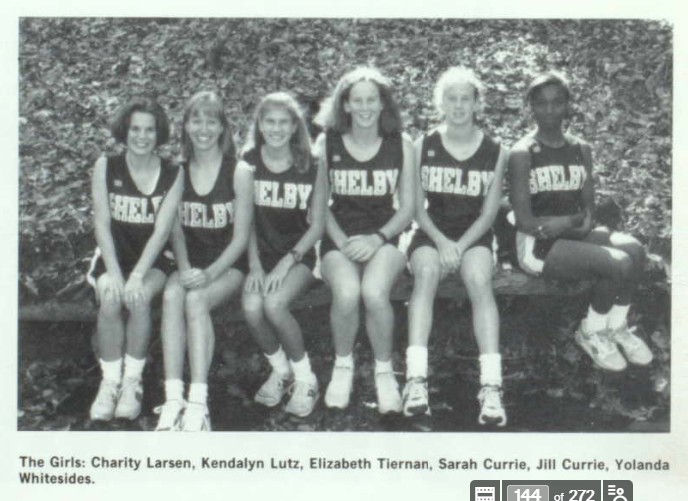
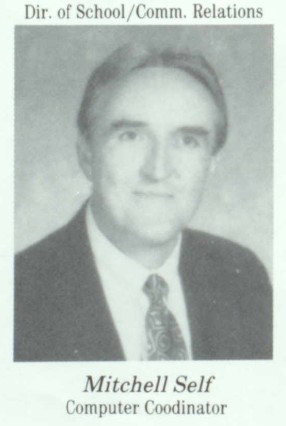

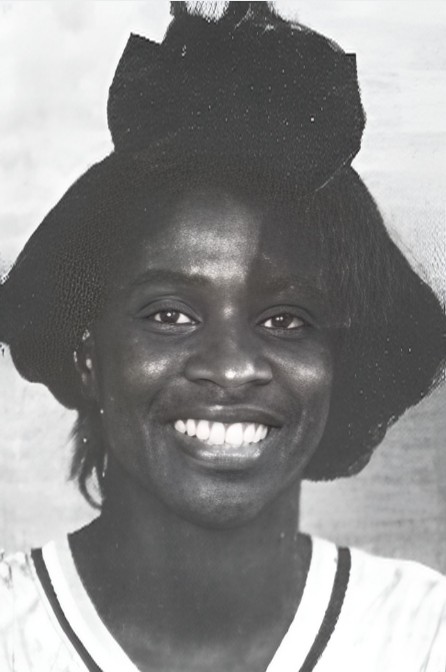
SHS Class of ’91 alum Charlotte Smith went on to achieve legendary status at UNC. One of her most iconic moments on the court came in December of 1994 when she became only the second woman in collegiate basketball history to dunk in a game. Smith went on to an impressive career as a basketball coach.
The 2000s
The new millennium brought the most significant change to Cleveland County Schools in a century. A plan to merge Shelby and Kings Mountain City Schools with the Cleveland County system was initially approved in 2000. It was delayed for several years due to legal challenges and litigation from the Kings Mountain School District. The merger process went forward and became official on January 13, 2004.
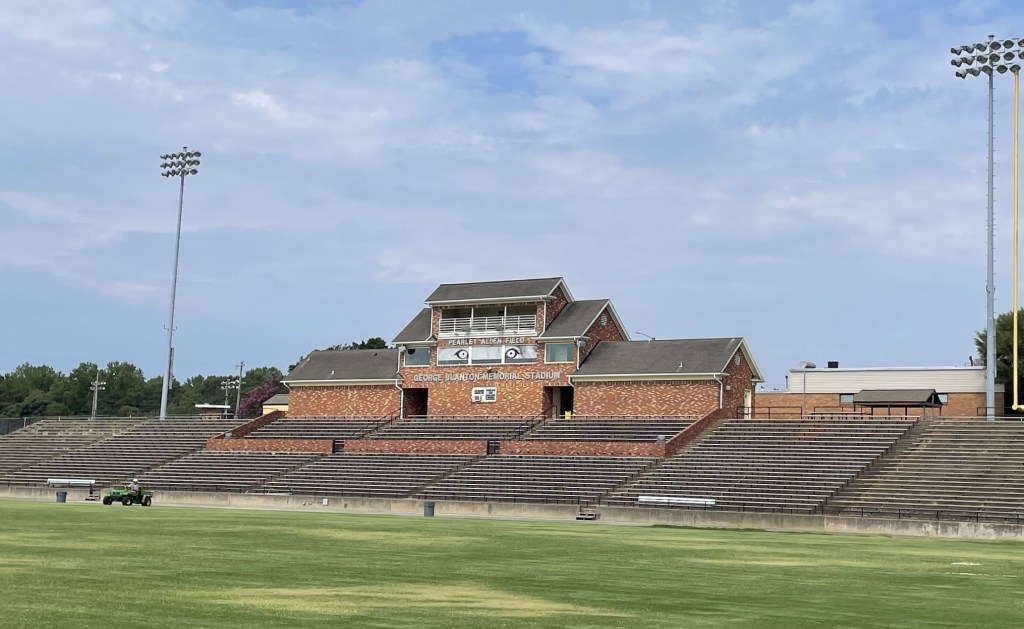
The 2000s were a another golden era for the SHS Golden Lions, guided by SHS alumnus and legendary head coach Chris Norman. Under Coach Norman, SHS won back-to-back 2-AA State Championships, defeating Reidsville (26-18) in 2005 and Southern Vance (27-24) in 2006.
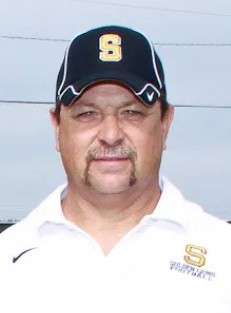
Chris Norman served as head football coach from 1998 to 2010. He compiled an outstanding record of 147 wins, 39 losses, and 1 tie.
Communication technologies grew with the creation of social media platforms like Facebook and YouTube. In 2007, smart phones were invented. As with any new technology, there were problems solved and problems created. Smart phones coupled with social media were often troublesome for students and teachers alike.
The 2010s
Shelby High School had a remarkable run in the 2010s, dominating North Carolina high school sports. The decade was highlighted by four NCHSAA State Football Championships, stellar performances from top-tier recruits like Dax Hollifield, and strong, consistent basketball and academic programs.
Under head coach Lance Ware, the Golden Lions cemented themselves as a gridiron powerhouse. The team won four state titles in a row– 2013, 2014, 2015, and 2016–across the 2A and 2AA divisions. The 2016 squad completed a flawless 16-0 undefeated season.
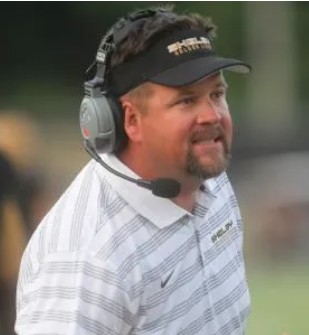
Lance Ware served as head football coach from 2011 to 2018 and compiled a record of 99 wins and 25 losses.
The 2020s
The first year of the decade was met with the emergence of the coronavirus pandemic. On March 10, 2020, Gov. Roy Cooper issued executive order No. 116, declaring a state of emergency. Four days later, Cooper followed that with executive order No. 117, which prohibited mass gatherings and also closed public schools through the end of the month. Just over six weeks later, Cooper announced all schools would remain closed through the rest of the school year. Encouraged by the fact that young children seemed to resist the harmful effects of the virus, elementary schools were allowed to reopen in September. However, high schools did not reopen until February of 2021.
By the fall of 2021, head football coach, Mike Wilbanks, had the Golden Lions in shape for yet another winning season. The team won yet another state championship. They went 15–1 and won 13 straight games, solidifying Shelby as having the third-most state football championships in North Carolina history.
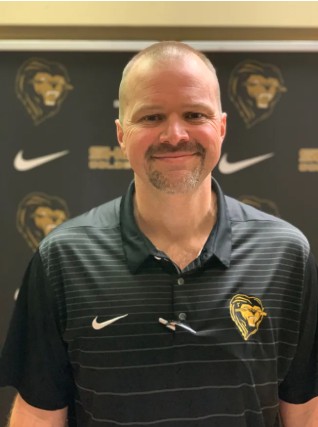
Mike Wilbanks became head football coach at Shelby High in 2019
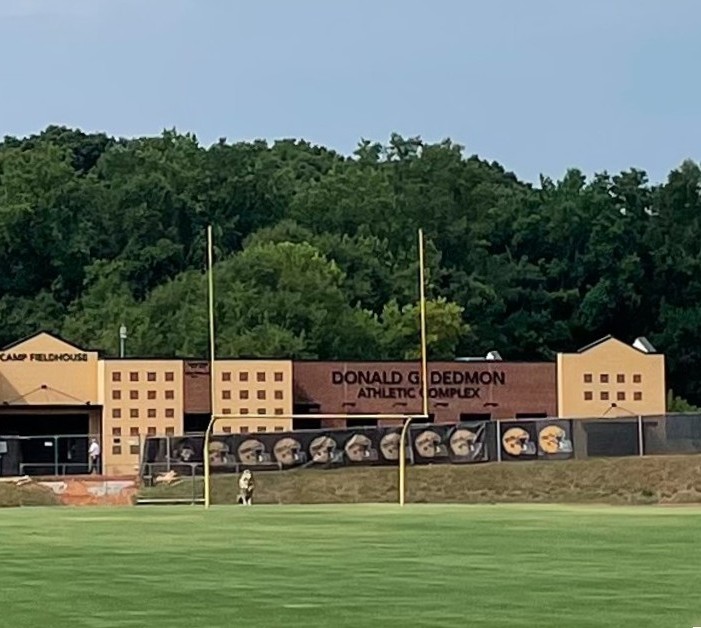
The major technological advancement for the 2020s thus far has been Artificial Intelligence (AI). Students have often found it to be a shortcut for completing their assignments–but teachers have learned to use it to distinguish between original student work and AI generated work.
Shelby High School Faculty
There have been hundreds of faculty members at Shelby High School in its 130+ year history. A hundred of those have a Find a Grave memorial page; many of these include biographies. Those can be viewed at Find a Grave Virtual Cemetery of Shelby Public Schools Educators.
Shelby High School Principals
| Shelby High Principals | term | photo/portrait |
| Dr. D. McNeill Turner | x-1873-x |  |
| Rev. J. A. White | x-1878-x | |
| Palemon J. King (AI-generated image based on his biography.) | x-1883-x | 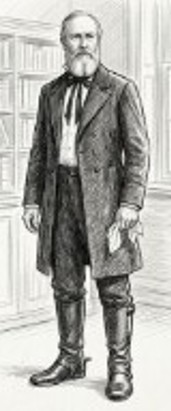 |
| Frank Dixon | 1886-1887 | |
| Samuel G. Harden | 1900-1903 | |
| B. Thurman Falls | 1903-1905 | 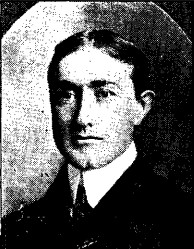 |
| John Y. Irvin | 1905-1910 | |
| Richard T. Howerton, Jr. | 1910-1916 | |
| Milton R. Pleasants | 1916-1917 | |
| J. R. Sloan | 1917-1917 | |
| Beemer C. Harrell | 1917-1918 | 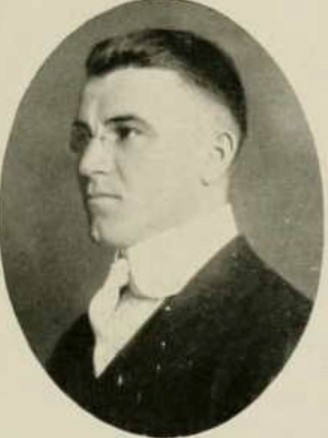 |
| Henry M. Loy, Sr. | 1918-1919 | |
| E. C. Sharp | 1919-1920 | |
| J. Horace Grigg | 1920-1926 | 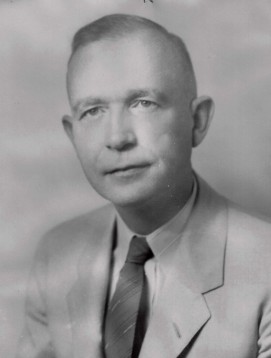 |
| Arsola C. Lovelace | 1926-1927 | 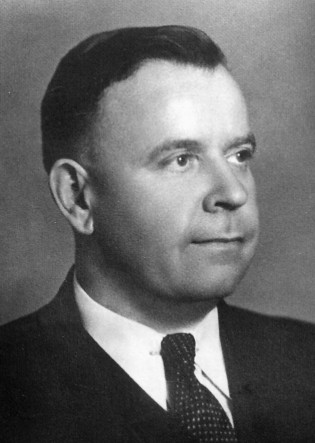 |
| Sidney G. Chappell | 1927-1929 | 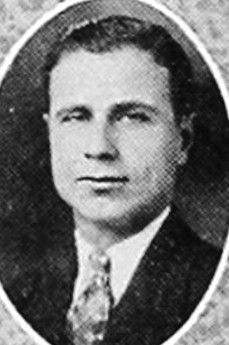 |
| Walter E. Abernethy | 1929-1936 | 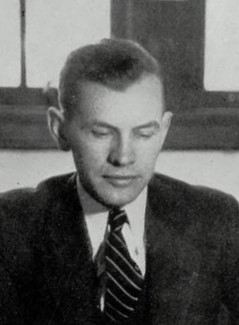 |
| C. Elmer Rankin | 1936-1942 | 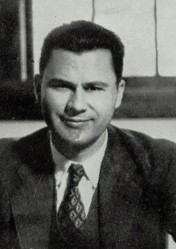 |
| Thomas H. Wetmore, Jr. | 1942-1944 | |
| Clarence M. King | 1944 | |
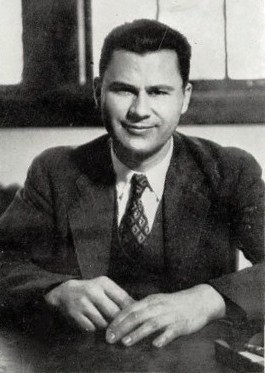
| Jake G. Hagaman | 1944-1951 | 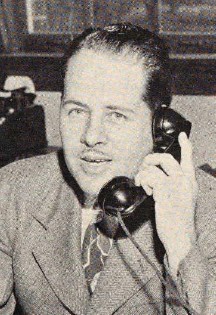 |
| Clarence W. Duggins | 1951-1953 | 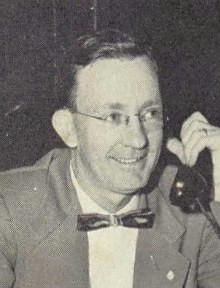 |
| Frank B. Greer | 1953-1955 | 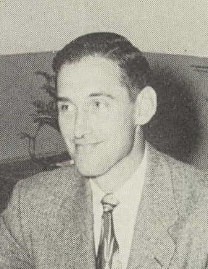 |
| Wayne J. Caudill | 1955-1970 | 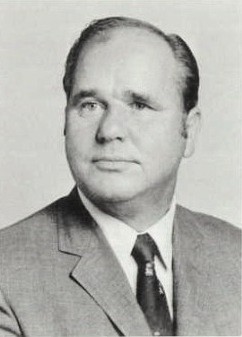 |
| Dan W. Moore, Jr. | 1970-1979 | 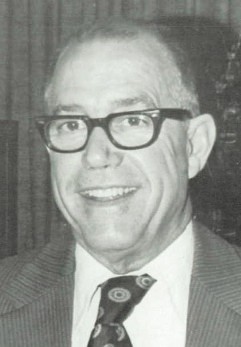 |
| Frank McDaniel | 1979-1988 | 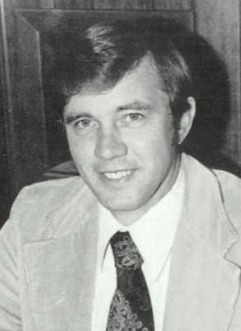 |
| William Sugg | 1988-1989 | |
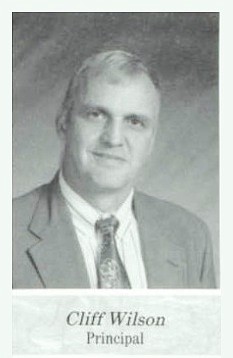
| Cliff Wilson | 1989-1997 |  |
| Bill Anderson | 1997-2002 | |
| Burney Drake | 2002-2005 | |
| Dianna Bridges | 2005-2009 |  |
| Jennifer Walker | 2009-2013 | |
| David Allen | 2013-2023 | 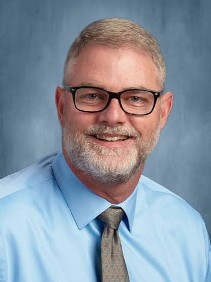 |
| Eli Wortman | 2023-present | 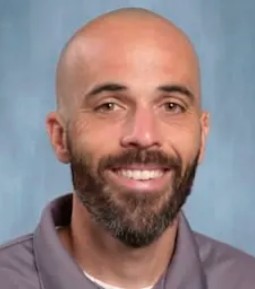 |
Shelby Public Schools Superintendents
| Shelby School Superintendents | term | portrait/photo |
| Charles J. Parker1 | 1891-1891 | |
| E. C. Wingo (Winfield?)1 | 1891-1892 | |
| Frank H. Curtis1 | 1892-1898 | |
| Samuel E. Gidney | 1898-1899 | |
| Claudius T. Carr | 1899-1900 | |
| Samuel G. Harden | 1900-1903 | |
| John A. McLean | 1903-1906 | |
| W. W. Davidson | 1906-1907 | |
| John Y. Irvin; bio | 1905-1910 | 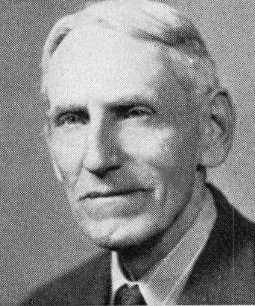 |
| Richard T. Howerton, Jr. | 1910-1916 | |
| I. C. Griffin | 1916-1929 | 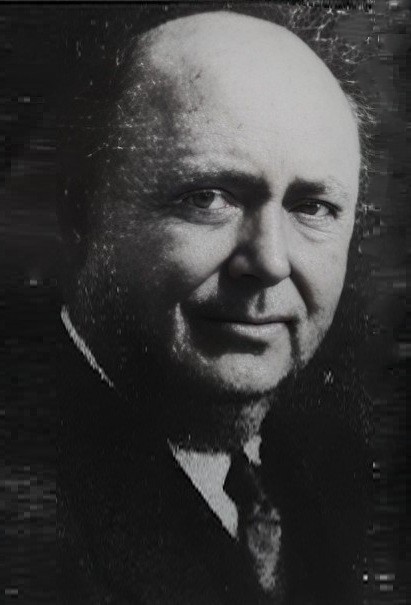 |
| Capt. Ben L. Smith | 1929-1936 | 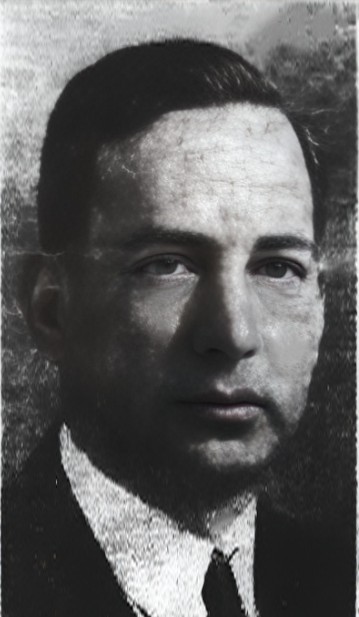 |
| Walter E. Abernethy | 1936-1956 | 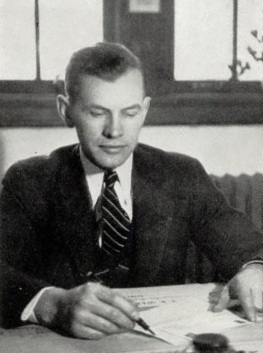 |
| Malcolm Brown | 1956-1980 | 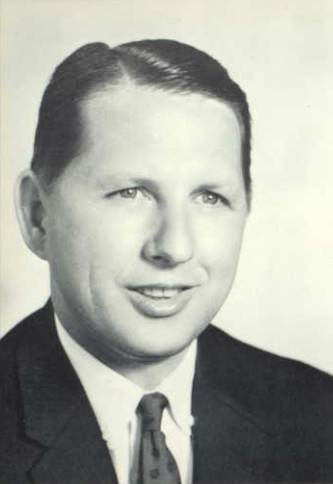 |
| Dr. Johnny Presson | 1980-1991 | 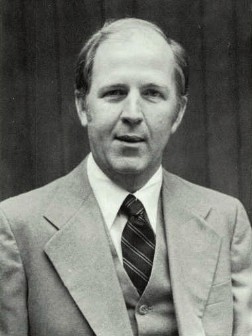 |
| Dr. Steve Curtis | 1992-199x | 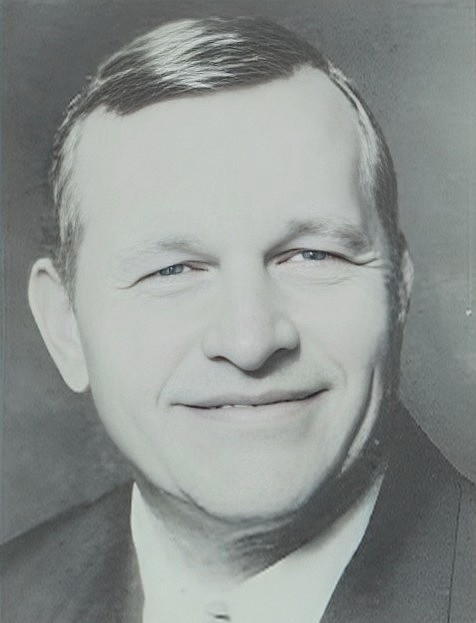 |
| Cliff Wilson | 199x-200x |  |
| 1 Professor Parker organized the first graded school system for Shelby. He then resigned to take an appointment in Raleigh. According to one source, he was followed by E. C. Wingo; another source had the successor’s name as Winfield. Whomever it was, they left soon after as well. Frank H. Curtis replaced him and remained for at least eight years before moving on to become superintendent for the Mt. Airy Graded Schools. 2 J. Y. Irwin also served as superintendent of both the Cleveland County and Kings Mountain Schools System; dates of terms are unclear. |
The Shelby High School Yearbook – The Cruiser
The co-editors of the 1979 Cruiser, Vicki Latham and Bill Tidwell, provided a history of the Shelby High School yearbook. This summary appeared on page 248 of that volume.
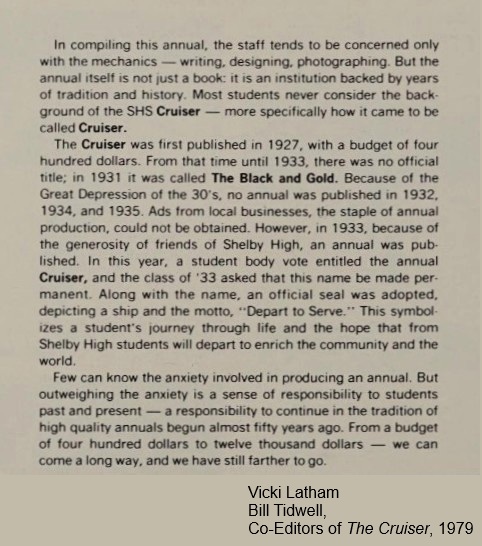
Eleven volumes of The Cruiser are on The Internet Archive. These have free access.
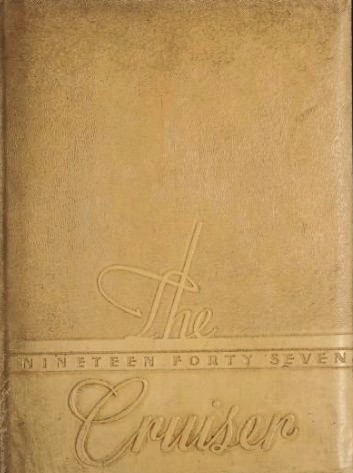
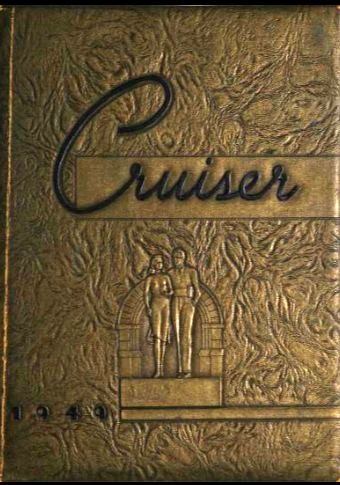
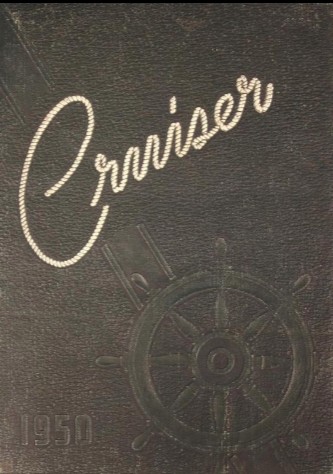
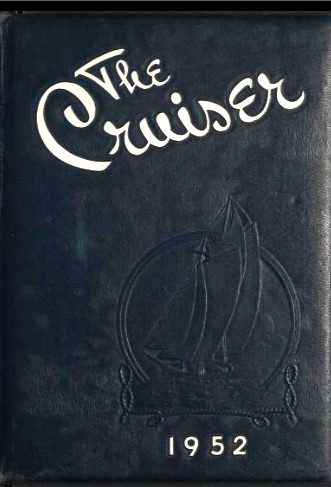
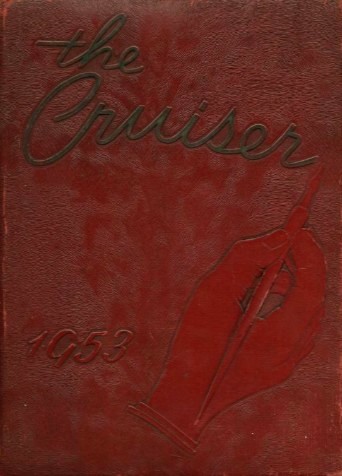
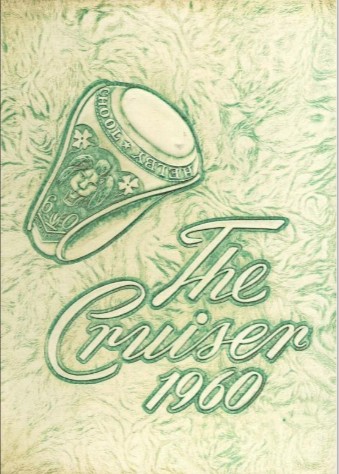
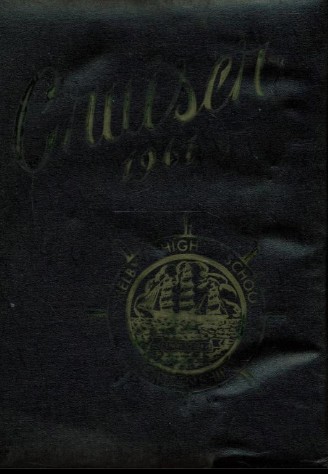
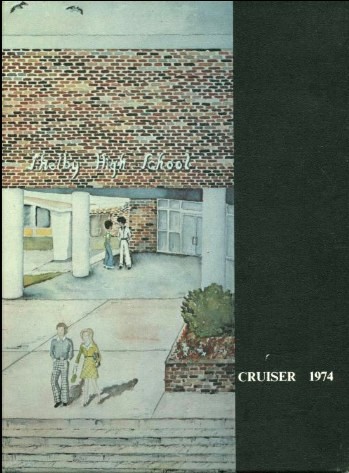
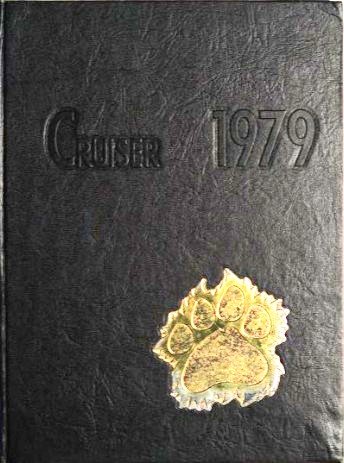
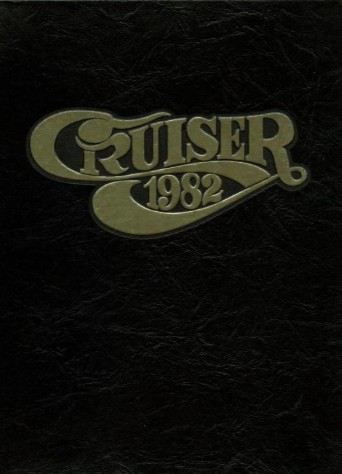
Ancestry.com has digitized The Cruiser starting with the 1938 volume. Prior years (1927-1937) are missing, as well as the following volumes: 1939-1944, 1951, 1956, 1963, 1969, 1973, 1975-1976, 1984-1987, 1989-1993, 1996-1997, and 1999-the present.
(If anyone has a yearbook–or inherited one–from these missing years, please consider donating it to either Ancestry.com, DigitalNC, or the Internet Archive; the latter two provide free online access.)
(As this page is modified, alumni and faculty of SHS are encouraged to submit additional information. Contact the author at paula.dedmon@gmail.com)

