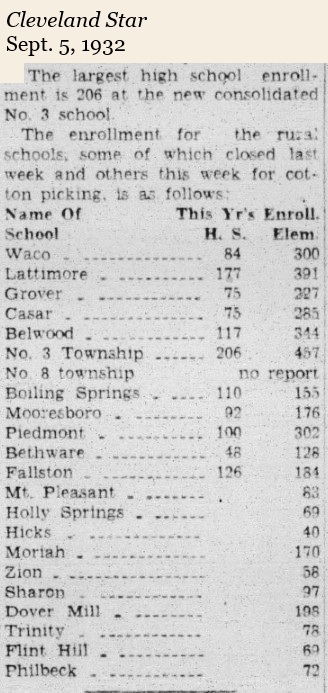
In 1906, there were only two schools in Cleveland County that offered high school classes. By 1932, there were 12 high schools operating in the Cleveland County public school system in addition to one each in the Shelby and Kings Mountain systems. All of the rural schools were closed through the consolidation movement that lasted into the 1960s. It was during this era that desegregation began and the county began building super high schools.
Students attending the high schools listed in the newspaper clipping here were reassigned to either Burns or Crest High Schools beginning with the 1967-1968 school year. (A related article in the same issue reported enrollment of 479 at Shelby.)
Below is a brief history of each of Cleveland County’s former high schools.
Belwood High School
Belwood High School had its origin in the Belwood Academy which was established in the 1880s by the Methodist Church. It operated under this name through 1893. In 1894 the name was changed to the Belwood Institute. It is unclear when the Belwood Institute became a public school, but newspaper articles indicate sometime before 1919.


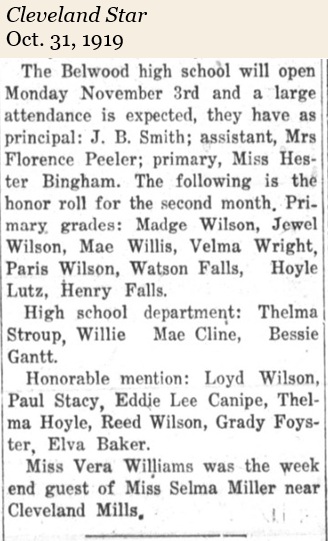
The photo caption of the Belwood girls team states the 1926-1927 school year marked the opening of the Belwood High School, however, another news item mentions Belwood High School opening in 1919.
The photos below came from the 1954 Belwood High School yearbook, School Daze, digitized and accessible on Ancestry.com. The yearbook includes photos of students in grades 1-12, not just high school students.

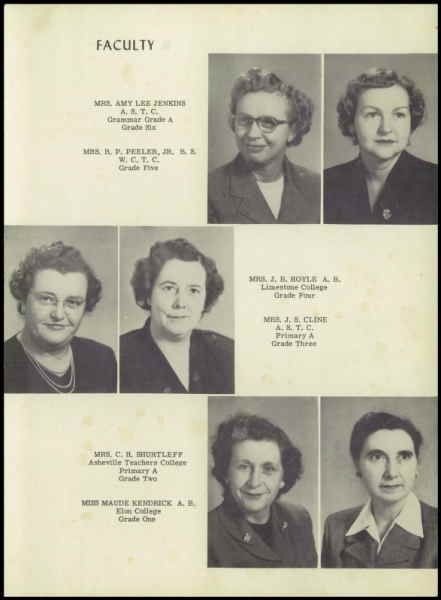
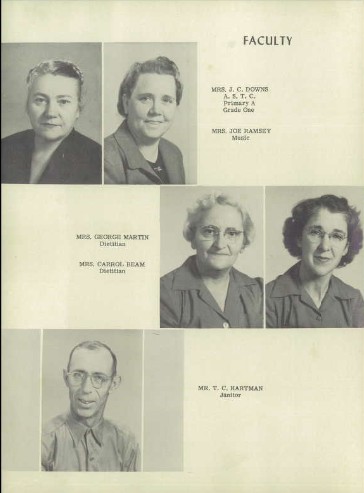
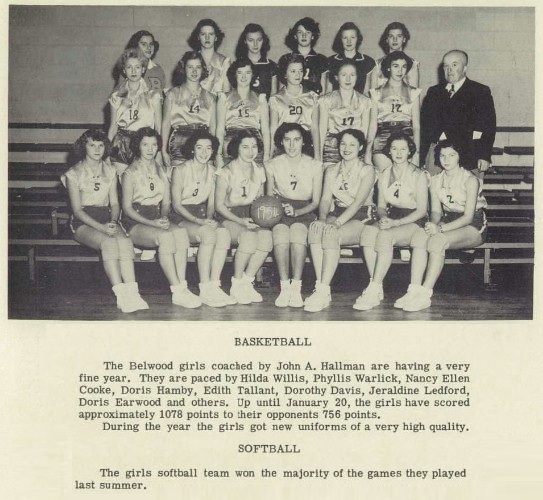
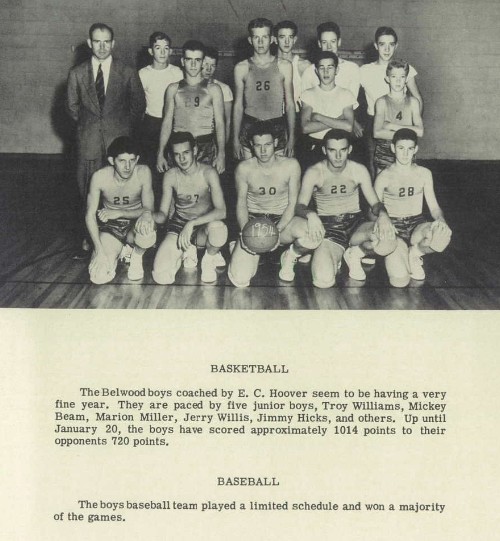
| principal | term | photo |
| Rev. Jesse P. Rodgers | x-1893 | |
| Rev. D. P. Tate | 1894-x | |
| Charles R. Clegg | x-1902 | |
| Rev. Mark B. Clegg (Brother of Charles; they were co-principals around the turn of the century.) | x-1903 |  |
| Rev. Walter O. Rudisill | 1903-x |  |
| J. B. Smith | x-1919-x |  |
| C. A. Ledford | x-1927-x | |
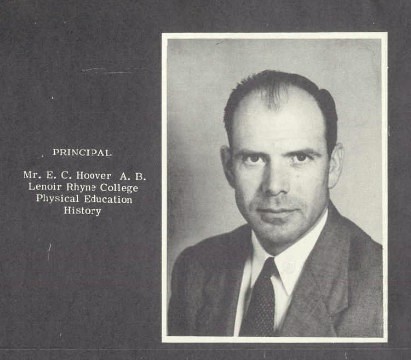
| E. C. Hoover | x-1954-x |  |
Bethware High School
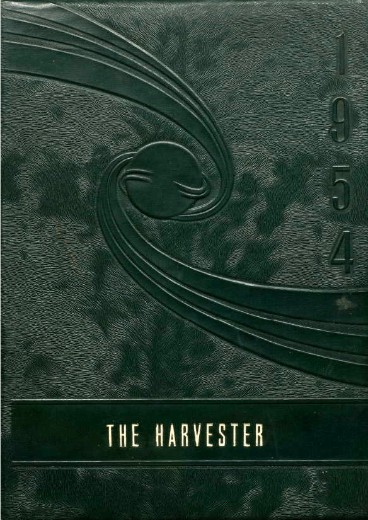
The photos below came from the 1954 Bethware High School yearbook, The Harvester, digitized and accessible on Ancestry.com. The yearbook includes photos of students in grades 1-12, not just high school students.
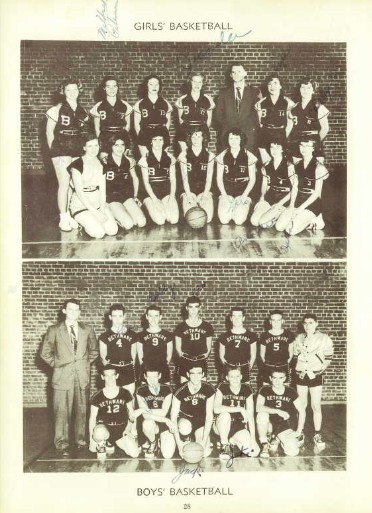
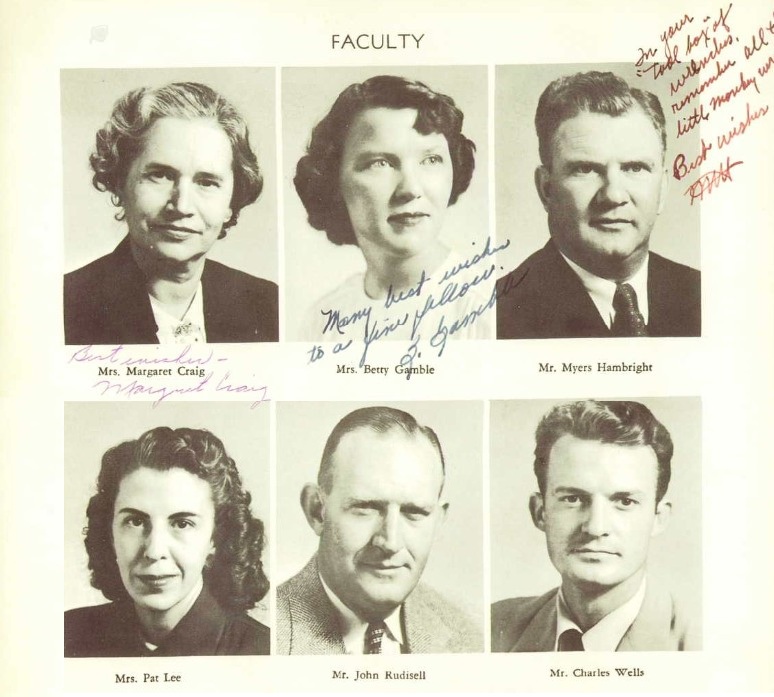
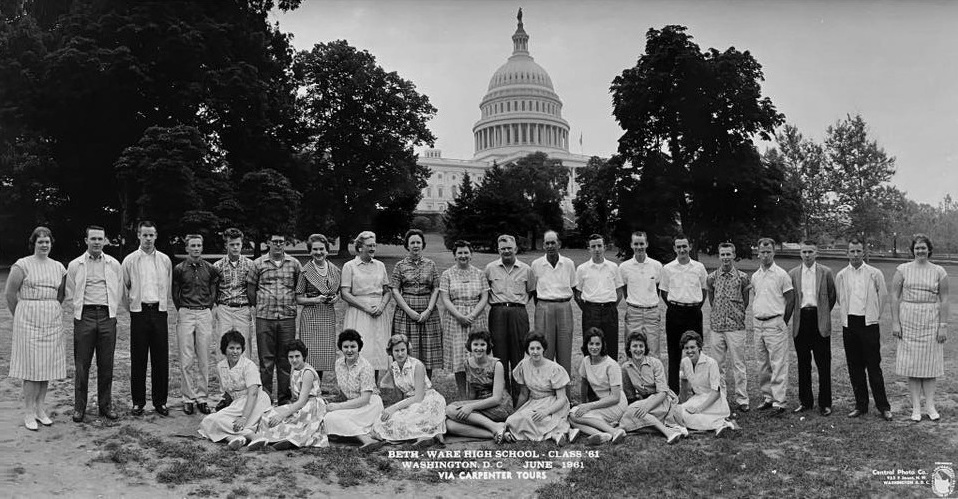
| principal | term | photo |
| Helen Galloway Neal | x-1932-x |  |
| O. W. Morris | x-1945-x | |
| F. L. Byrd | x-1947-x | |
| John H. Rudasill, Jr. | x-1952-1957 | 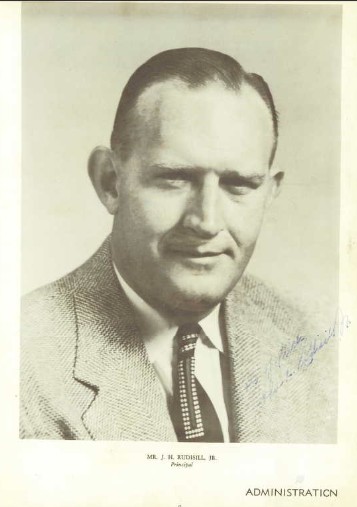 |
| Thurman Warlick | 1957-x |
Boiling Springs High School (public school)
Boiling Springs High School had its origin in the school established in the town in 1901. This early school had only eight grades.
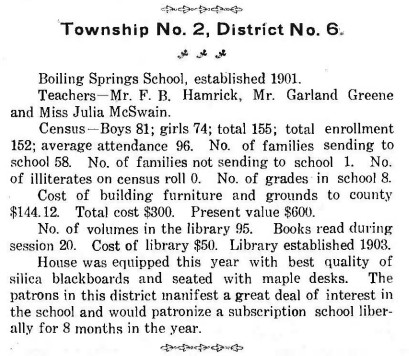
It is unknown when the school began adding high school level grades, but a 1929 newspaper article referenced a high school basketball championship series that included Boiling Springs.
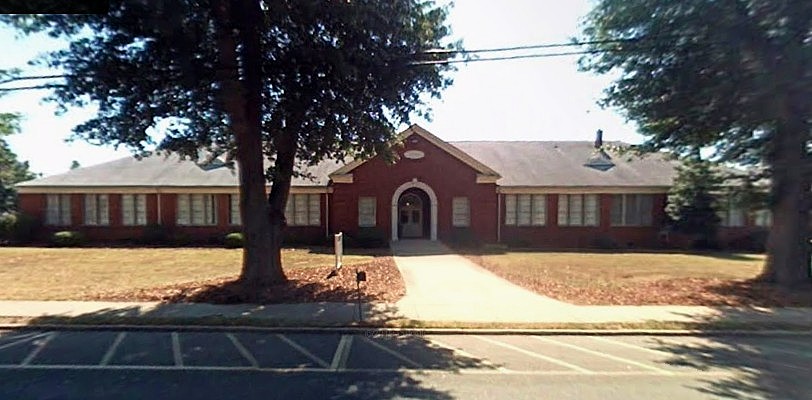
A brick school building was constructed at what is now 141 South Main Street in Boiling Springs in 1940. The school was renamed “Crest” in 1960 when Boiling Springs, Lattimore, and Mooresboro High Schools were consolidated. Crest High School operated in the building until the new Crest High School opened in the fall of 1967.
For the Boiling Springs High School that was associated with the Kings Mountain and Sandy Run Baptist Associations, see this page that is currently under construction.
| principal | term | photo |
| Oliver P. Hamrick | x-1934-x |
Burns of Fallston High School
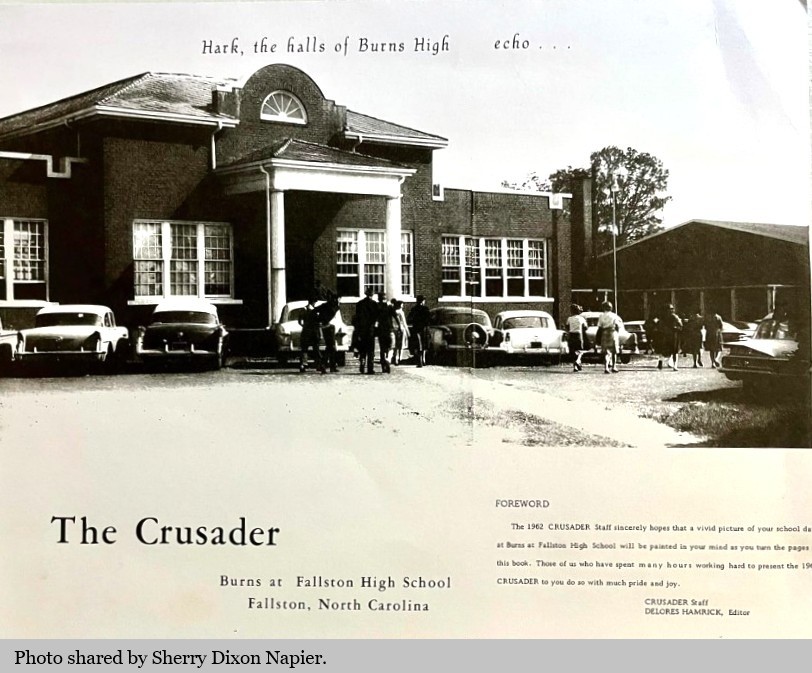
The school at Fallston operated as Burns of Fallston High School from about 1960 to 1967. In the early 1960s, a new high school was constructed in Lawndale to replace the old Piedmont High School. Students at Burns of Fallston began attending the new Burns High School in Lawndale in 1967.
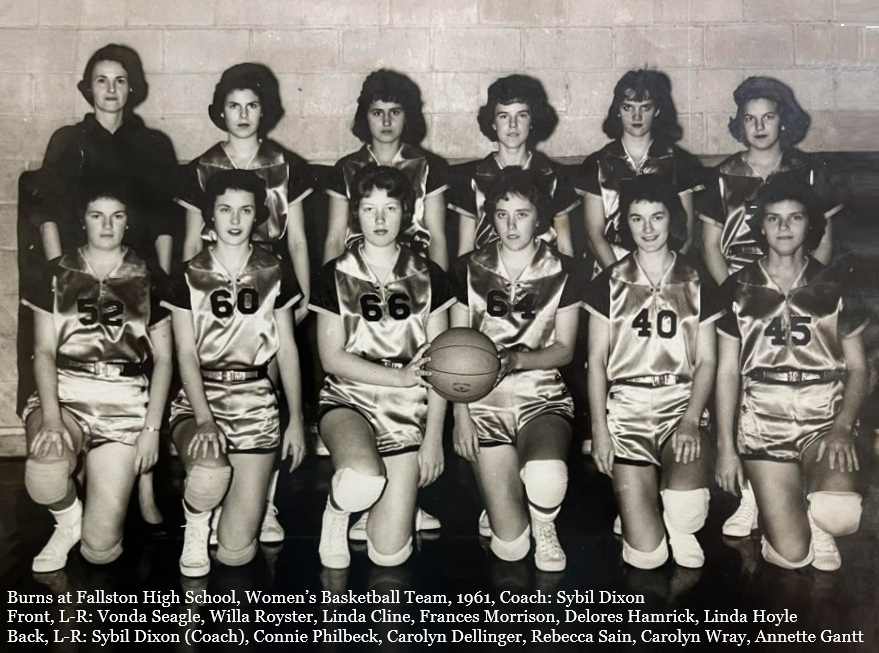
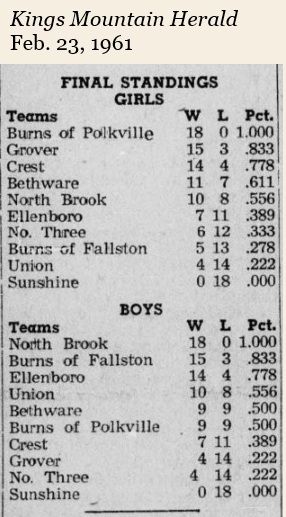
| principal | term | photo |
| Robert W. Borders | x-1967 | 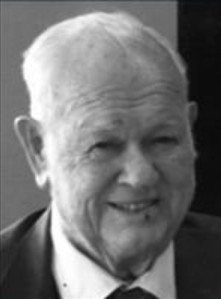 |
Burns at Polkville High School
The school at Polkville operated as Burns of Polkville High School from about 1960 to 1967. In the early 1960s, a new high school was constructed in Lawndale to replace the old Piedmont High School. Students at Burns of Polkville began attending the new Burns High School in Lawndale in 1967.
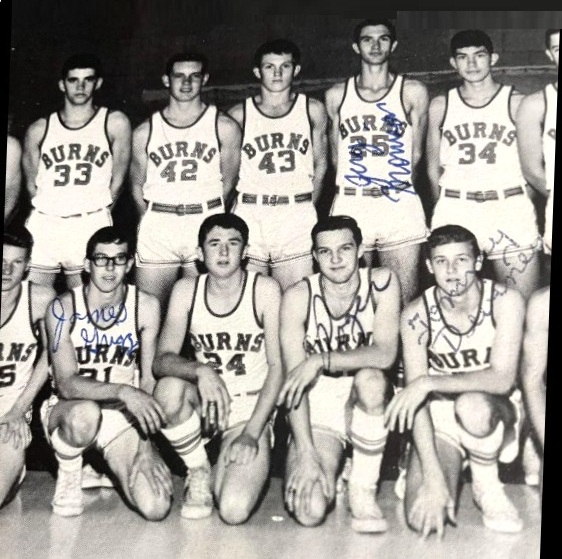
Photo shared by Gale R. Sudduth.
| principal | term | photo |
| James B. Petty | 1960-x | |
| Leo Treece | x-1967 |
Camp High School
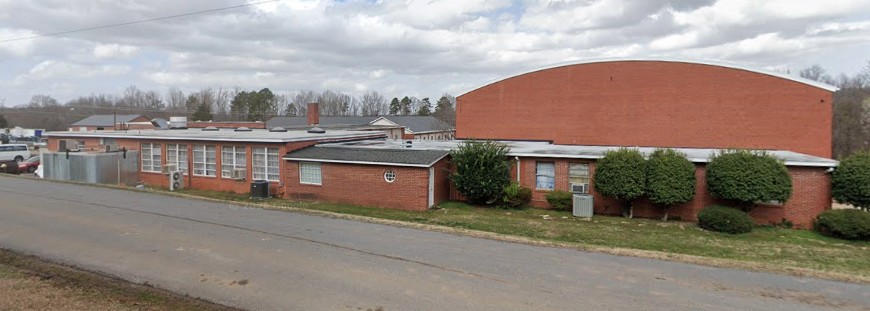
Camp High School had its origin as Shoal Creek School for African American students. In 1942, James Camp, Sr. donated land for a high school. A two-story frame structure was built just west of the intersection of Hwy. 18 South and Mt. Sinai Church Road. Feeder schools were Earl and Ellis Chapel.
The first principal at Camp High School was A. J. Taylor; the first graduating class was in 1943. The school added a new building for elementary grades in 1951 and continued to enlarge through the 1950s.
After integration, Camp High School was closed; the last graduating class was in 1968. The high school building was razed; the other buildings remained as an elementary school.
| principal | term | photo |
| A. J. Taylor | ||
| R. R. Cabiness | x-1967 |
Casar High School
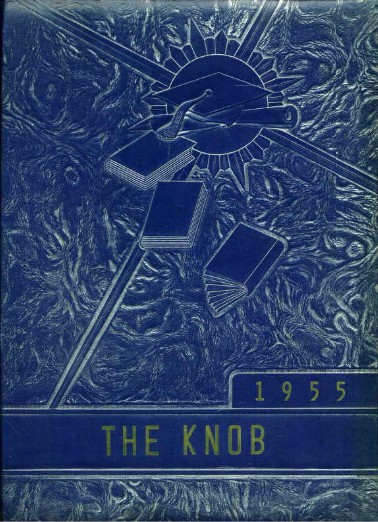
The photos below came from the 1955 Casar High School yearbook, The Knob, digitized and accessible on Ancestry.com. The yearbook includes photos of students in grades 1-12, not just high school students.
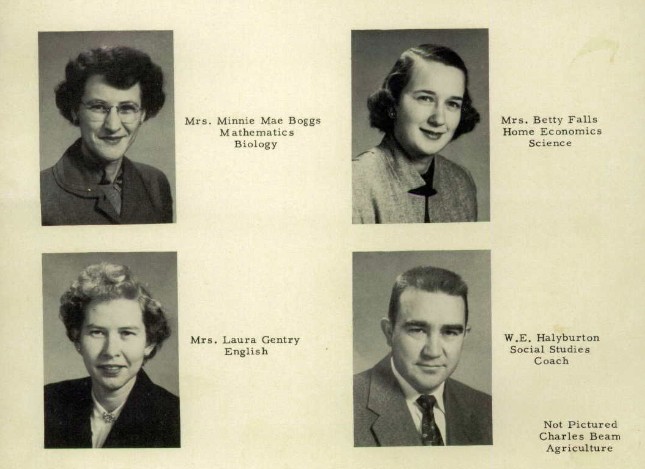
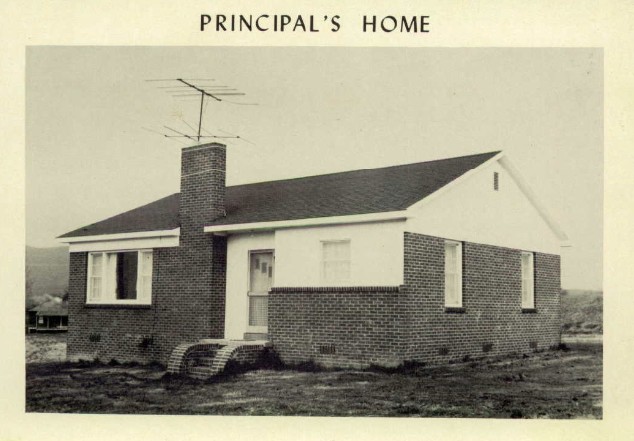
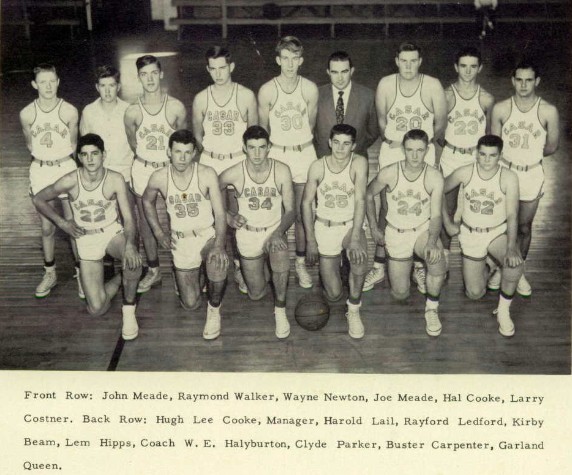
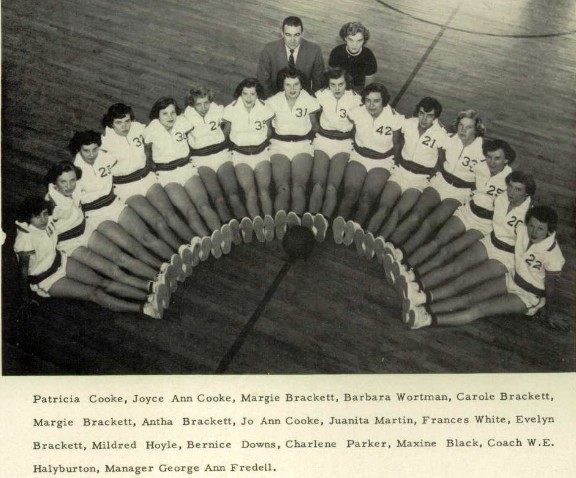
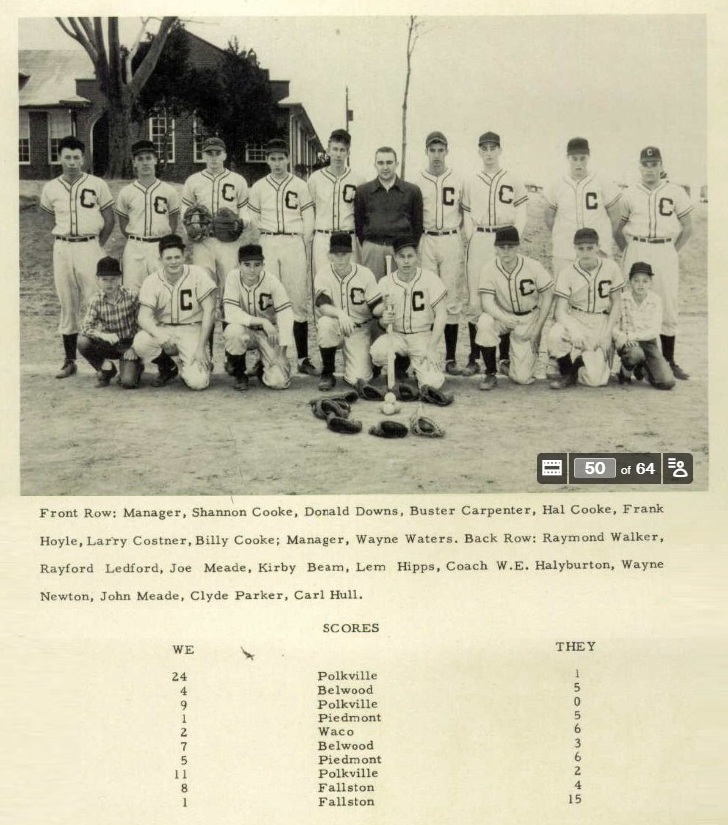
In 1925, a new brick building was constructed in Casar that would house both elementary and high school grades. In 1960, students in grades 9 through 12 were reassigned to the Burns/Polkville High School. Then in 1966, that school was closed and all students attended the newly constructed Burns High School in Lawndale.
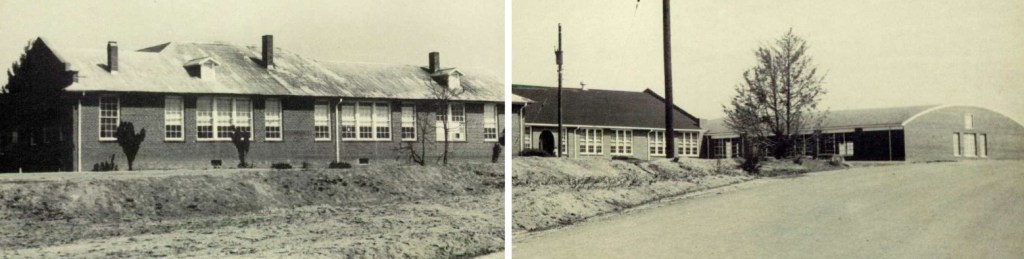
| principal | term | |
| John T. Buff | x-1903 | |
| Alfred B. Peeler | 1903 | |
| Joe G. Hoyle | 1903-x | |
| Henry M. Loy, Sr. | x-1930-x | |
| D. W. Ayers | x-1955-x |  |
Cleveland Training School / Cleveland High School
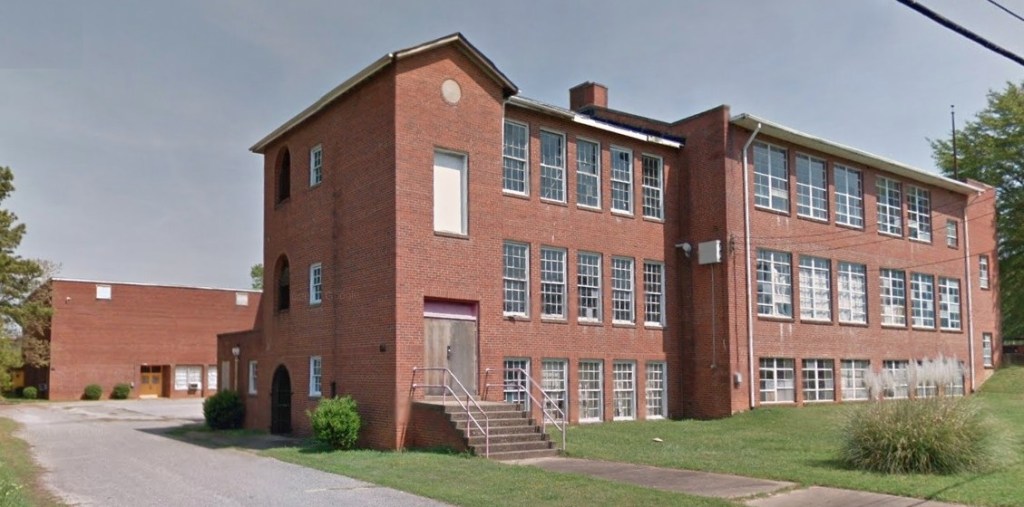
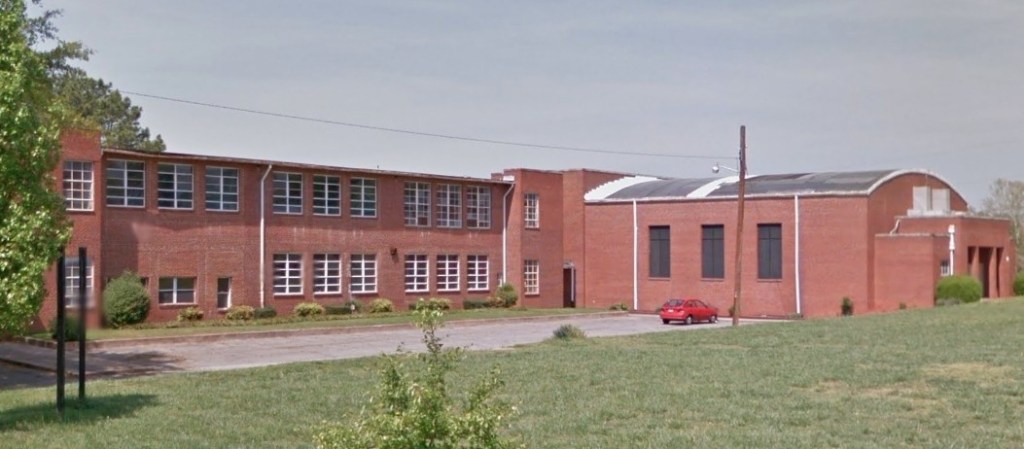
Cleveland Training School traces its origin, circa 1880, to a small frame building located behind Sunset Cemetery. In 1895, a new two-room structure was built on Hudson Street in Shelby to serve the growing number of African American students in Shelby’s east side.
In 1920, a new building was constructed but was partially destroyed by fire in 1926. It was repaired and enlarged the following year. Additions were constructed in the following decades.
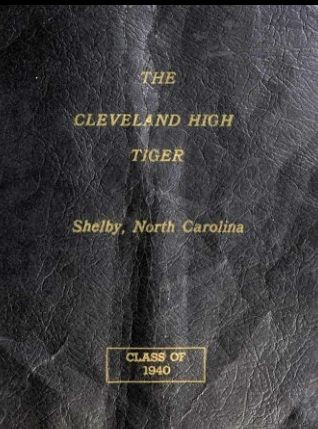
The photos below came from the 1940 Cleveland High School yearbook, The Cleveland High Tiger, digitized and accessible on DigitalNC. The yearbook includes photos of students in grades 7-11. (Twelth grade was not added in NC schools until 1942.)
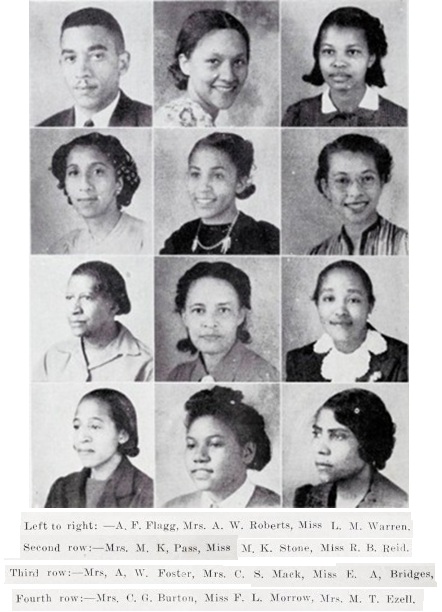
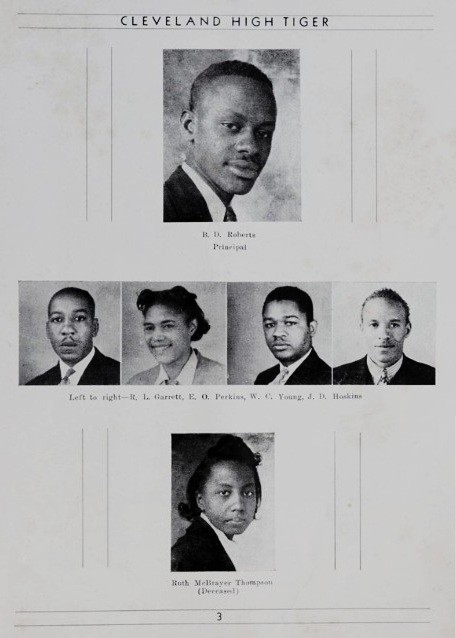
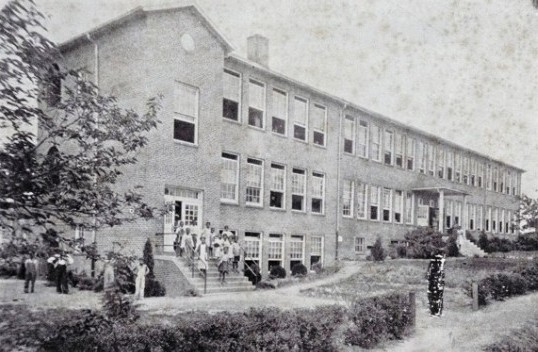
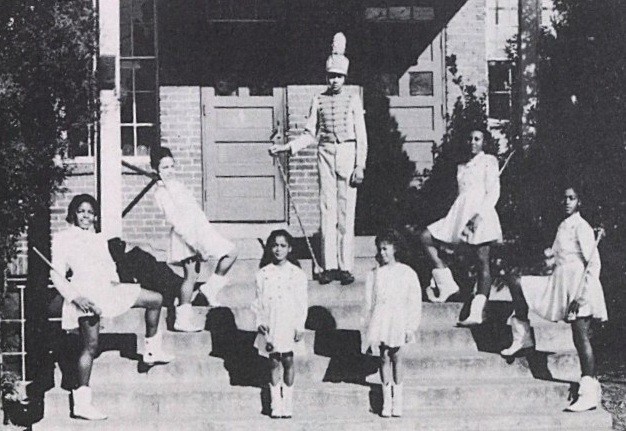
In the 1950s, the Cleveland High athletics program flourished. The Cleveland High School Tigers football team was led by Head Coach, John Winston and Assistant Coach, Jethro Henry.
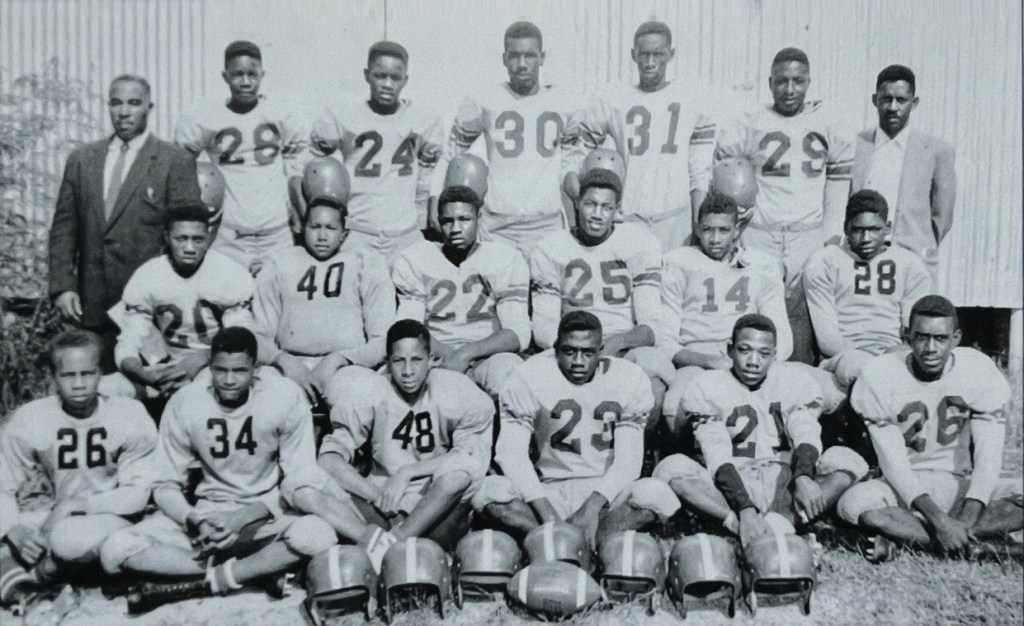
Photo from the collection of Rusty Patterson.
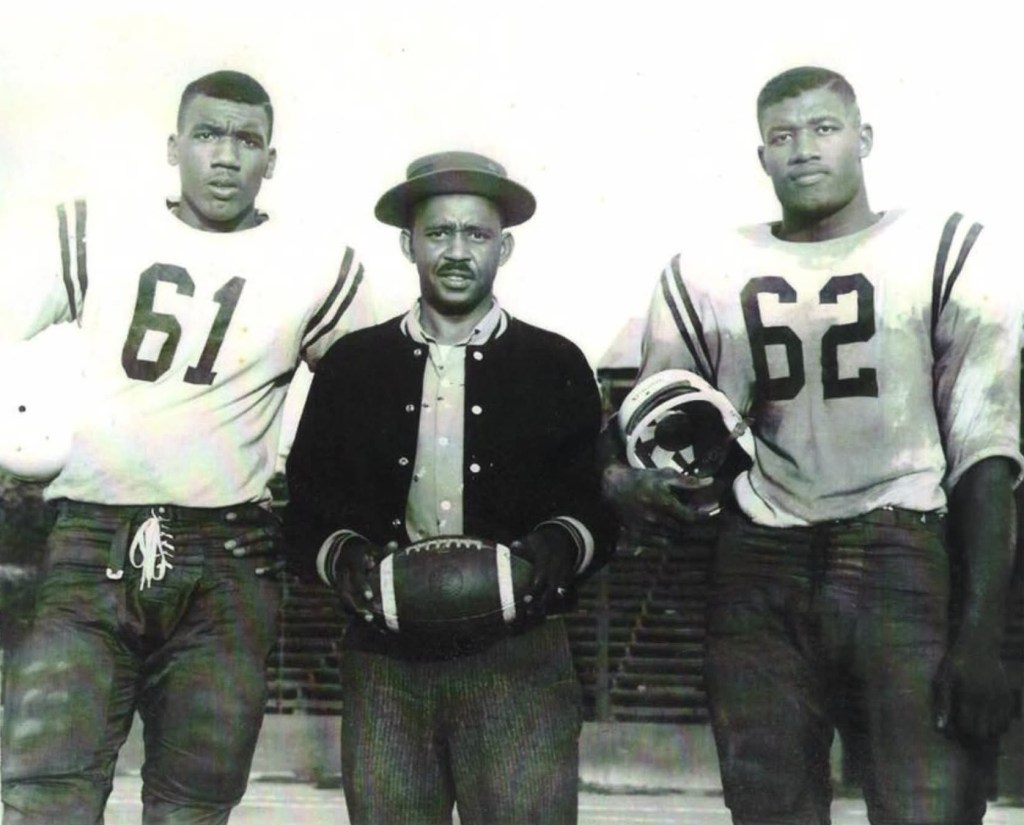
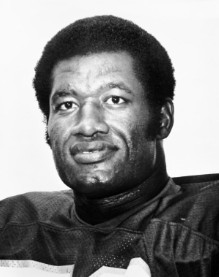
Bobby Bell, graduated from Cleveland High School in 1959 and went on to play for the Kansas City Chiefs (1963–1974). A legendary outside linebacker and defensive end, he played a pivotal role in the franchise’s early dominance and was a key piece of the Chiefs’ defense in Super Bowls I and IV.
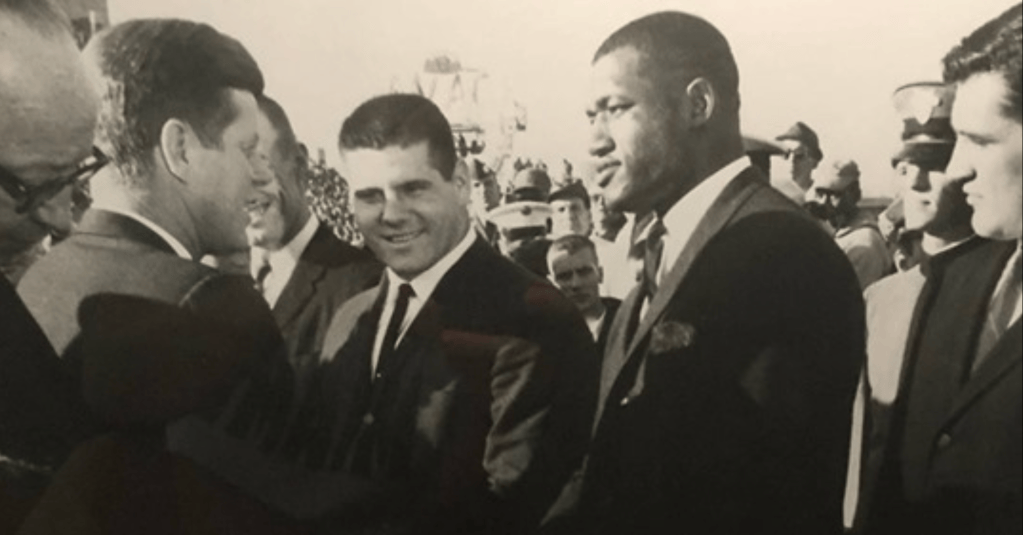
Photo from the collection of Rusty Patterson.
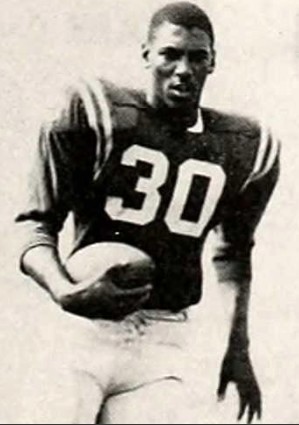
Coming up two years behind Bell was Melvin Phillips. Phillips also advanced to the NFL after NC A&T University. Phillips played for the San Francisco 49ers.
It was during the 1967-1968 school year, Cleveland Training School’s high school students were integrated at Shelby High School. The school’s name was changed to Cleveland School and became home to all of Shelby’s sixth graders from 1967-1977.
The building is now home to the congregation of the non-denominational Changers Church.
A history of Cleveland Training School is recorded in the National Register of Historic Places, Registration Form as well as in a 1957 article in the Cleco Journal, a local Cleveland County publication.
| principal | term | photo |
| Rev. John Wesley Roberts, 1861-1951 | 1906-1916 | 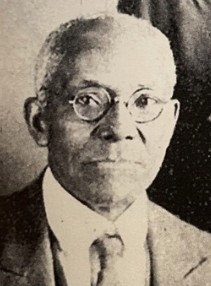 |
| Adolphus Warren Foster, 1880-1959 | 1916-x | 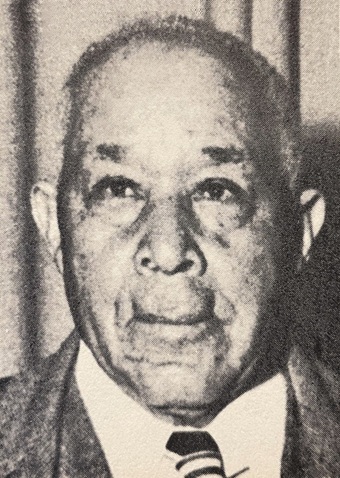 |
| T. K. Borders, 1900-1940; (bio) | 1926-1930 | |
| Nobel L. Massey | 1930- | |
| Earl C. Horton | 1936 | |
| Bannaka D. Roberts | 1939-194x | 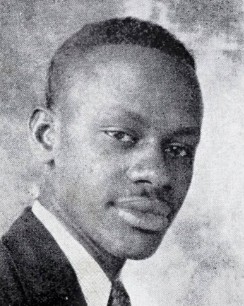 |
| James D. Hoskins | 194x-1967 | 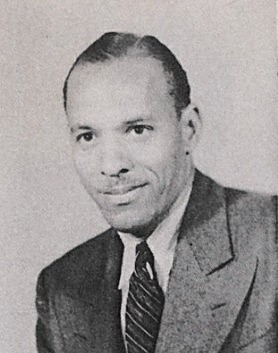 |
Compact High School
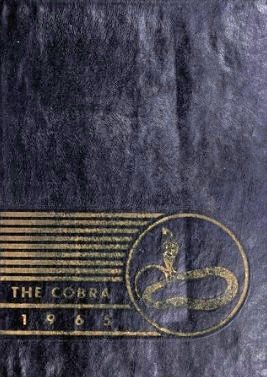
The photos below came from the 1965 Compact High School yearbook, The Cobra, digitized and accessible on DigitalNC. The yearbook includes photos of students in grades 1-12, not just high school students.
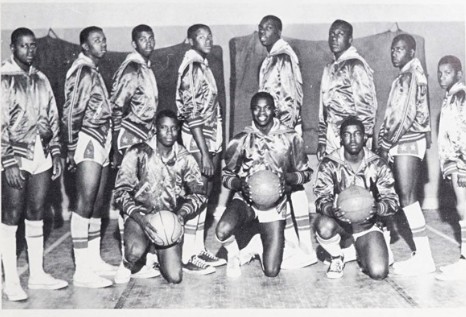
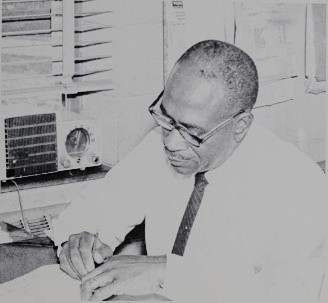
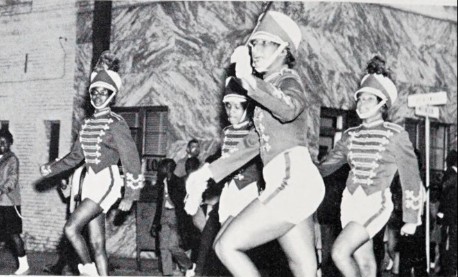
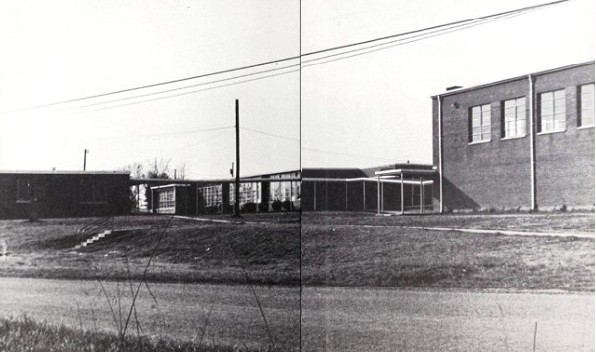
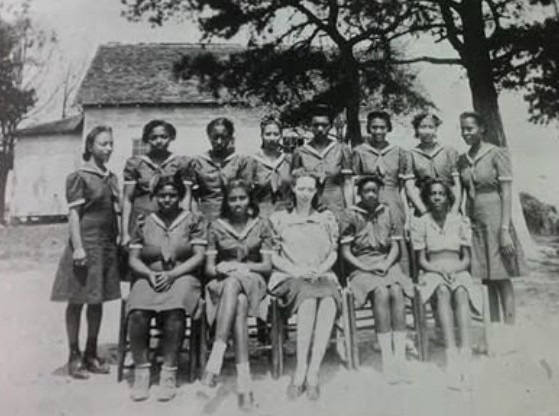
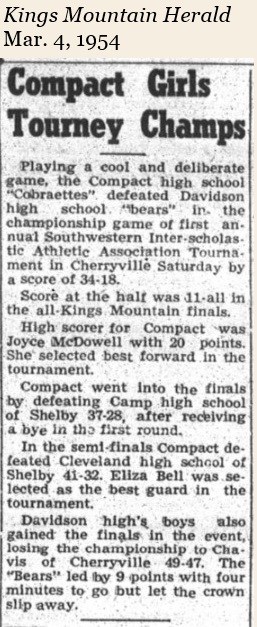

| principal | term | photo |
| Rev. Albert Hord |  | |
| Leon L. Adams | 1935-1970 (high school grades transferred to KM High in 1967) |  |
Davidson High School
Built in the 1920s, the Davidson School was a beneficiary of the Rosenwald Fund. Rosenwald Schools were a network of over 5,000 schools, shops, and teacher homes built for African American children in the rural, segregated South between 1912 and 1932.
The high school was demolished in 1967; the elementary school is still standing.
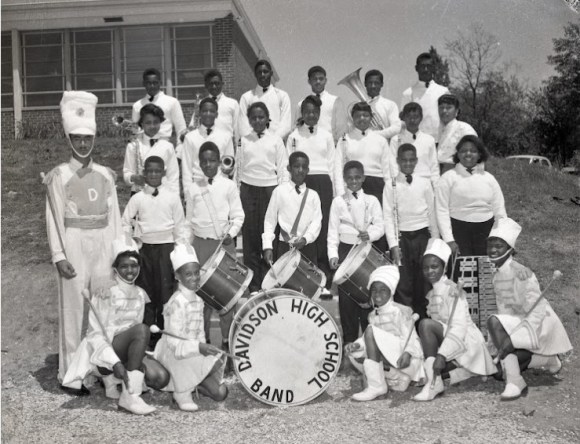
| principal | term | photo |
| R. J. Davidson | x-1936-x | |
| C. A. Allison | x-1967 |
Douglas High School
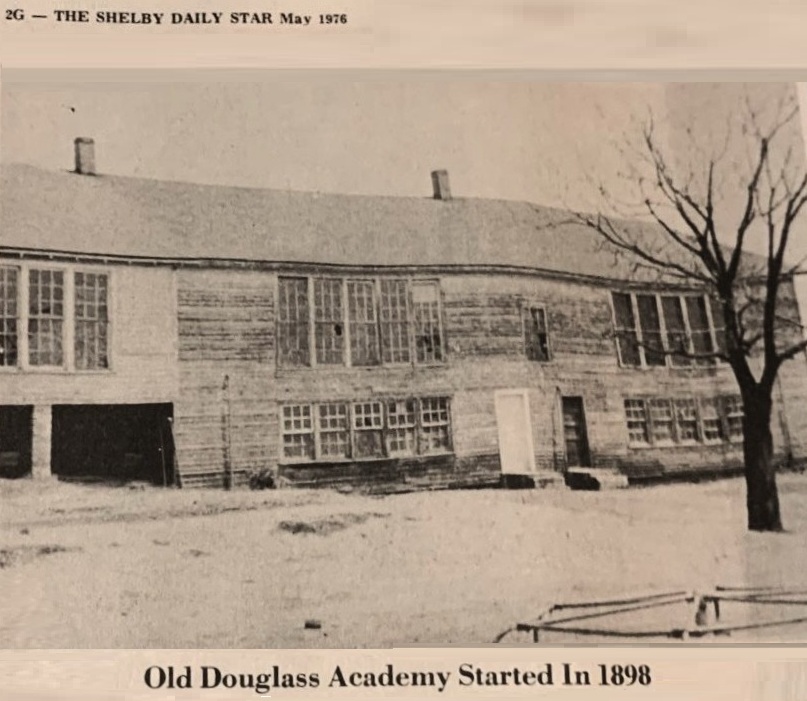
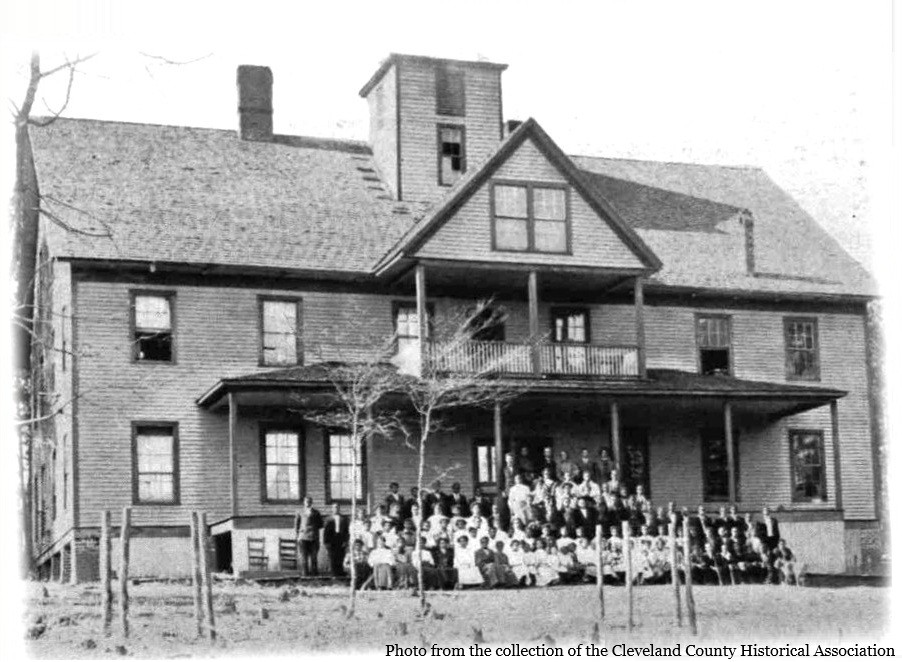
Douglas School was established in Lawndale to serve the African American Community. Early in its history, the school included room and board. Feeder schools to Douglas were: Cornwell, Flat Rock, Hopewell, Knob Creek, New House, Palmer’s Grove, Philadelphia, Ramseur, Riverside, Vance Grove, Weathers Grove.
Douglas High School’s first graduating class was in 1936. Three girls graduated: Ollie Harshaw, Lillie Ruth Hawk, and Salema Hawk.
| principal | term | photo |
| A. W. Foster | x-1937 | |
| E. C. Horton | 1937-x | |
| A. D. Belton | ||
| Frank M. Pullen | x-1967 | 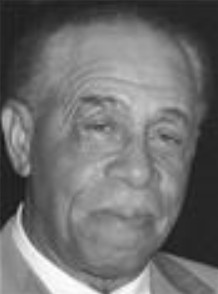 |
Fallston High School
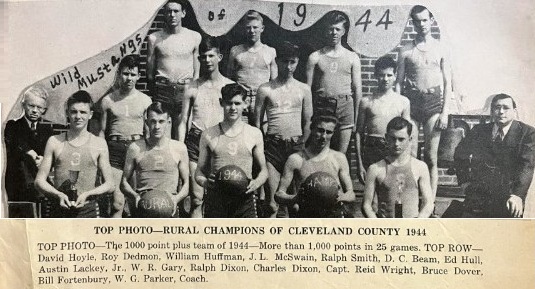
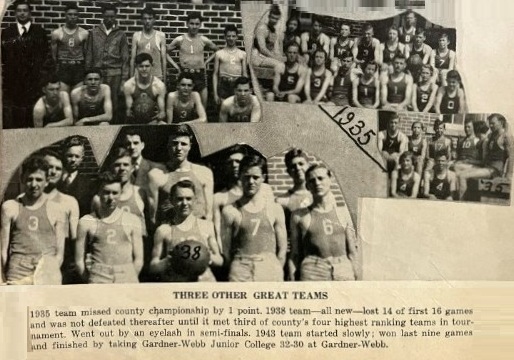
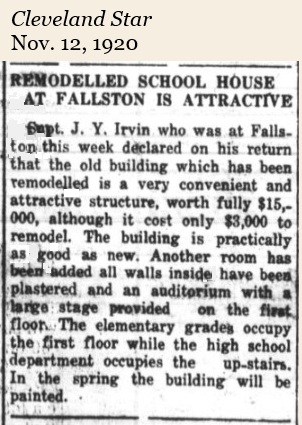
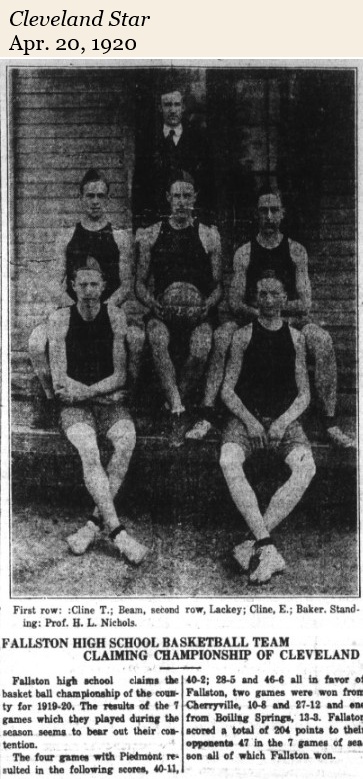
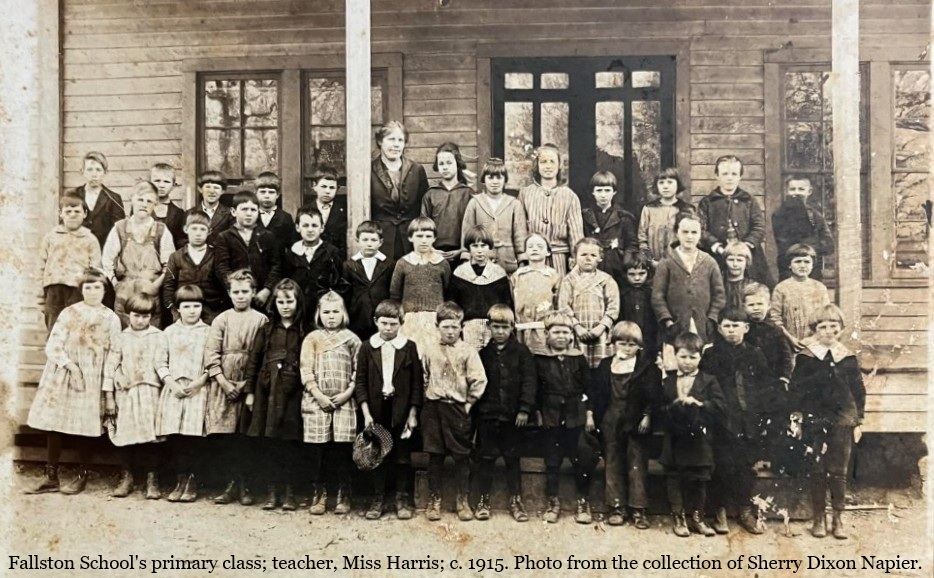
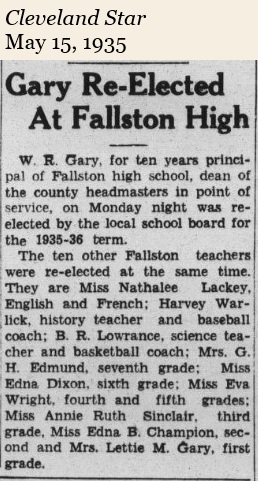
| principal | term | photo |
| Frances Dixon | x-1918-x | |
| Weller R. Gary | 1925-1935-x |
Green Bethel / West Cleveland High School
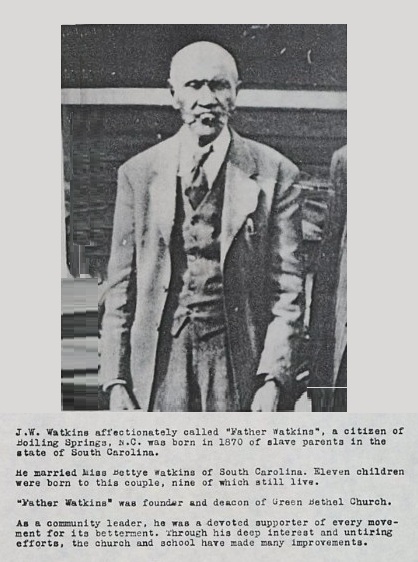
John W. Watkins was the founder of Green Bethel Church and School in Boiling Springs.
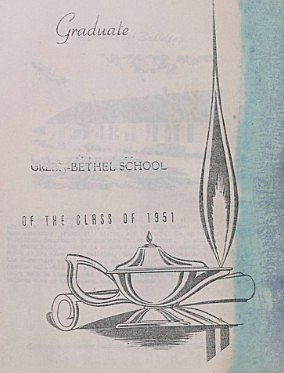
The photos below came from the 1951 Green Bethel High School yearbook, The Torch, digitized and accessible on DigitalNC.
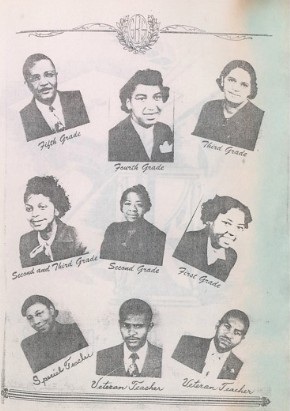
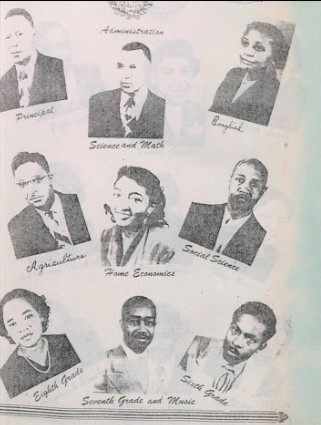
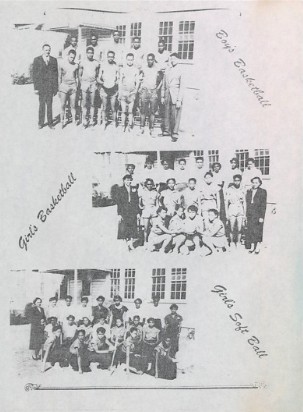
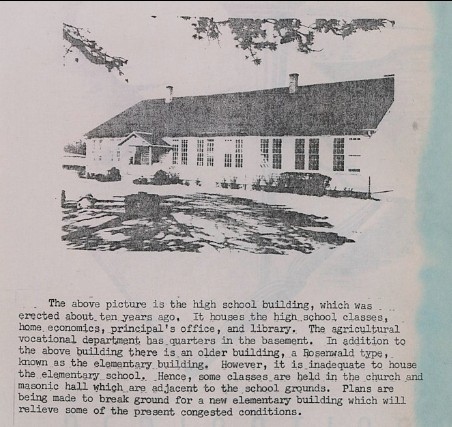
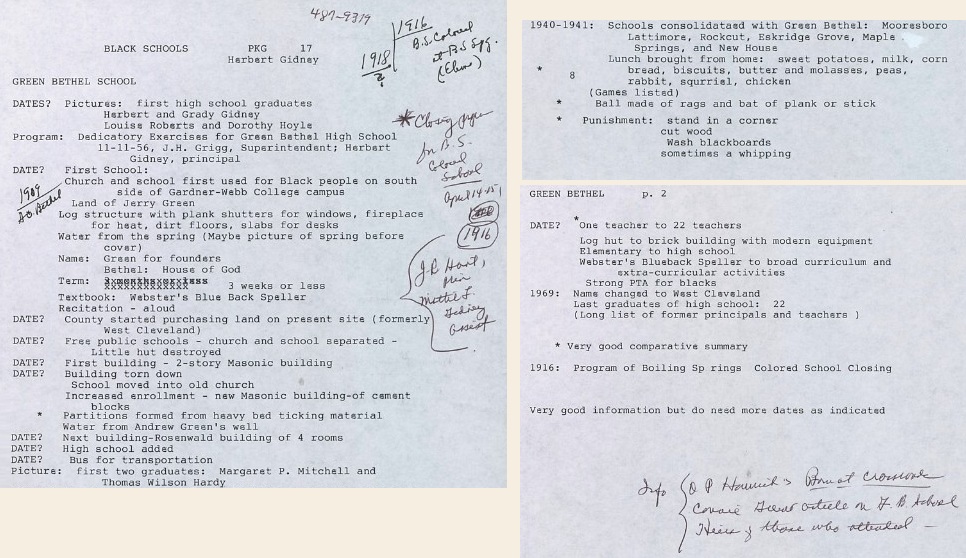
| principal | term | photo |
| P. L. Reid | x-1967-x |
Grover High School
The Grover School became a high school in 1912
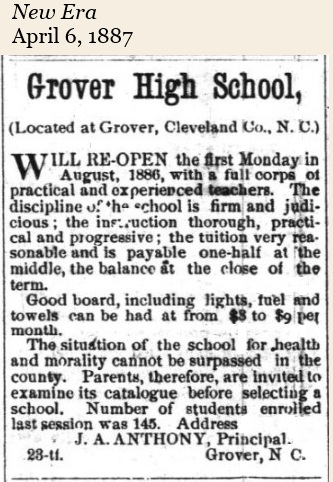
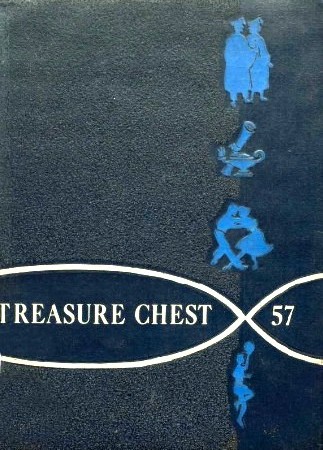
The photos below came from the 1957 Grover High School yearbook, The Treasure Chest, digitized and accessible on Ancestry.com. The yearbook includes photos of students in grades 1-12, not just high school students.
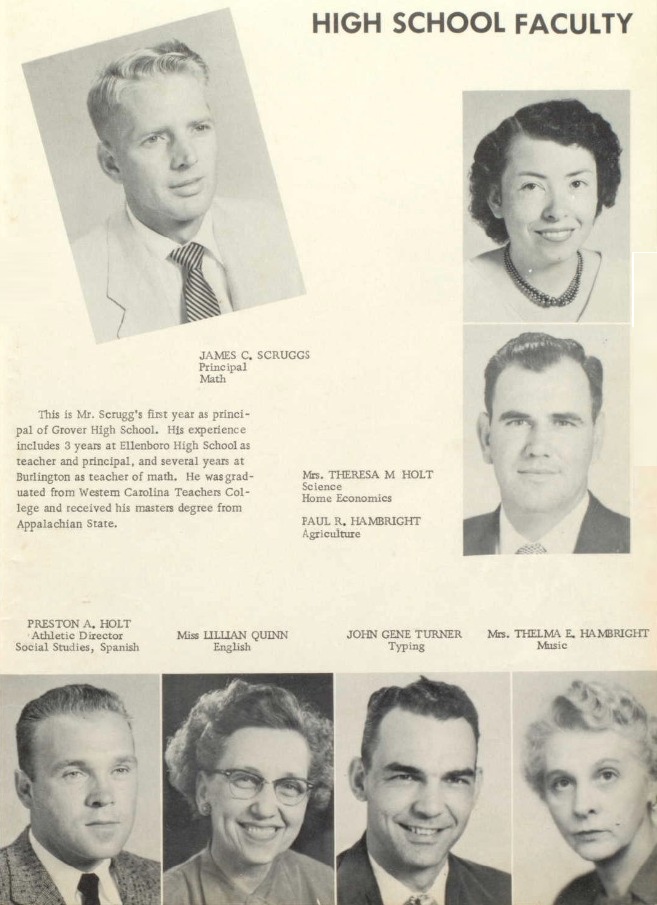
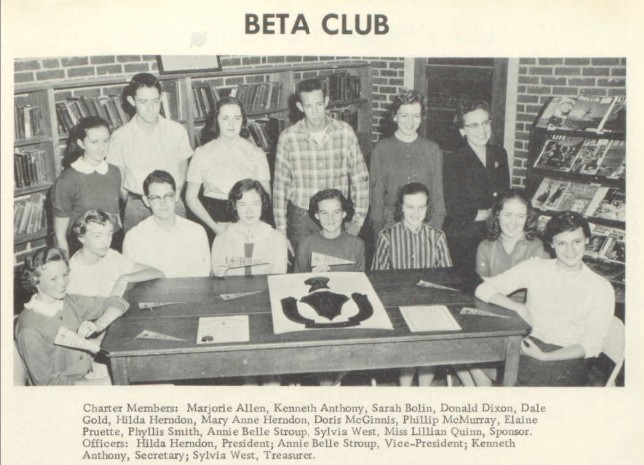
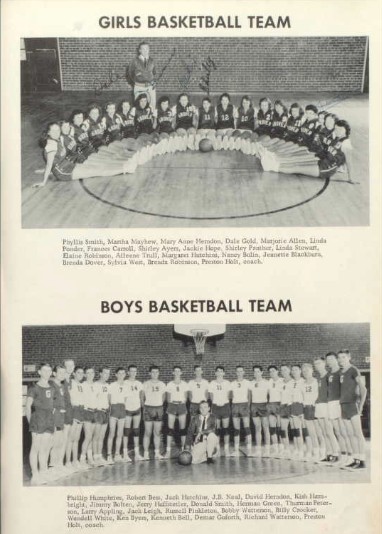
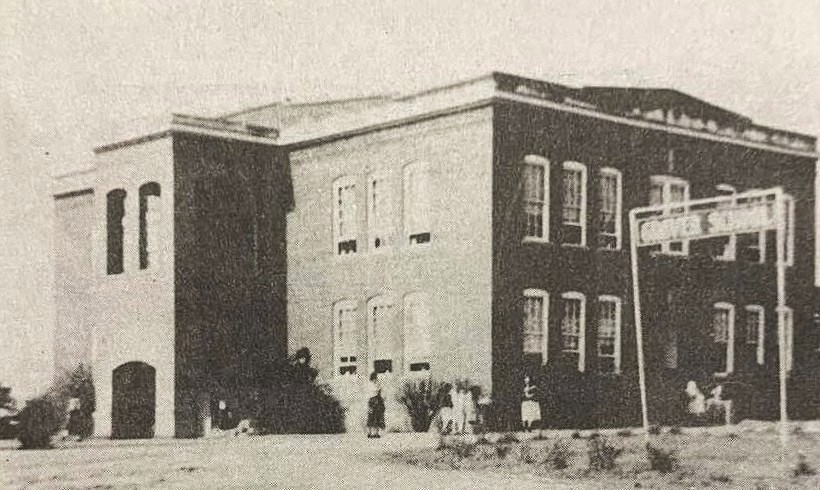
| principal | term | photo |
| J. A. Anthony | x-1886-x | |
| N. Meldona Livingston | 1910-1919 | |
| E. A. Montgomery | 1919-1920 | |
| Mr. Bennett | 1920-1921 | |
| Miss Abiscilla Bunch and Mrs. G. P. Hamrick | 1921-1922 | |
| Mr. Cullum | 1922-1923 | |
| B. F. Byrd | 1923-1930-x | |
| H. B. Covington | x-1936-x | |
| James C. Scruggs | 1956-x |  |
Lattimore High School
According to the Town of Lattimore website, Lattimore High School has its origin in the old log schoolhouse known in 1880 as Durham School. In 1906, Superintendent B. T. Falls in his annual report to the school board recorded “Lattimore’s School” as having been established in 1903. The school’s teachers were a husband and wife team recorded as Mr. and Mrs. S. A. Chambers.
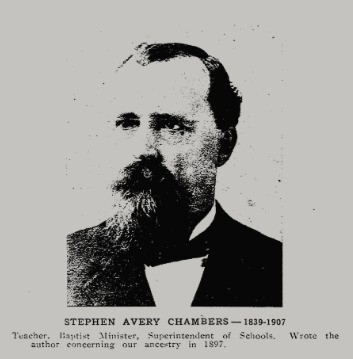
This was Rev. Stephen Avery Chambers and wife, Laura Snider Chambers. (They are both buried at Sandy Run Baptist Church Cemetery.)
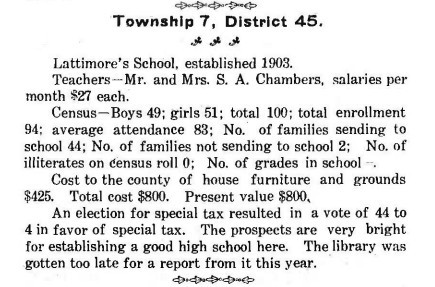
Falls’ assessment of the Lattimore School included the comment, “The prospects are very bright for establishing a good high school here.”
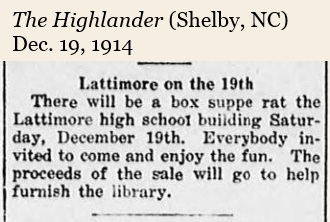
Some years later, high school grades were added at the school.
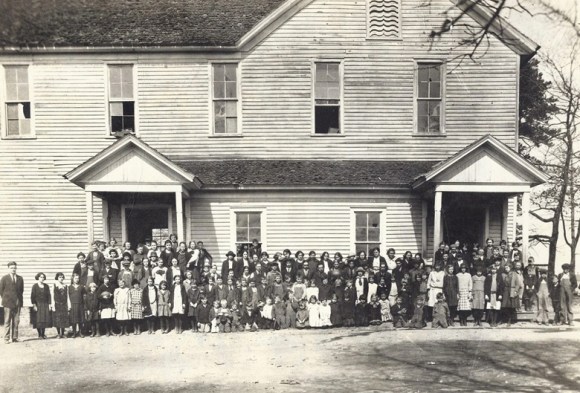
A new brick building was built and ready for occupancy in 1923. In the spring of 1924, four girls became the first to graduate from Lattimore High School.
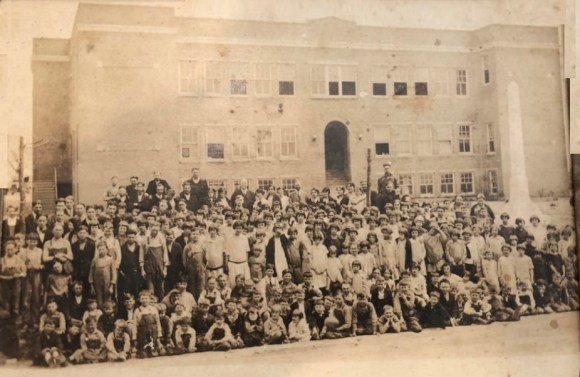
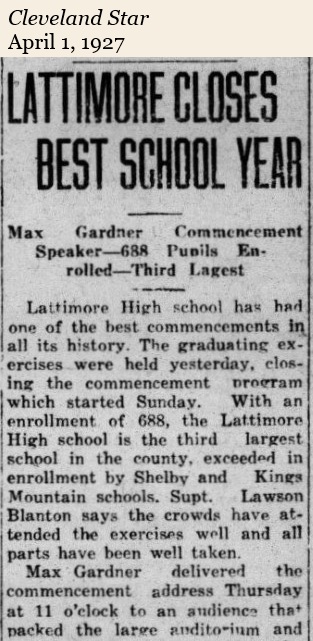
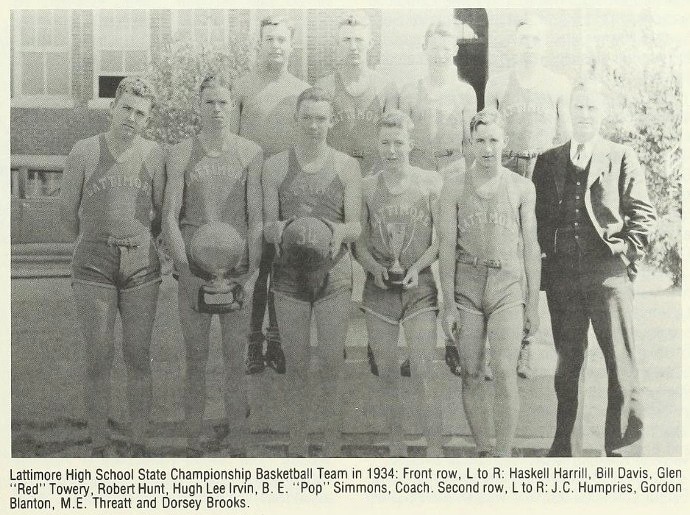
By 1927 Lattimore High School was operating 11 grades and had increased its enrollment to become Cleveland County’s 3rd largest high school. By 1936, a new building for the high school was constructed. The old building remained in use for elementary grades.
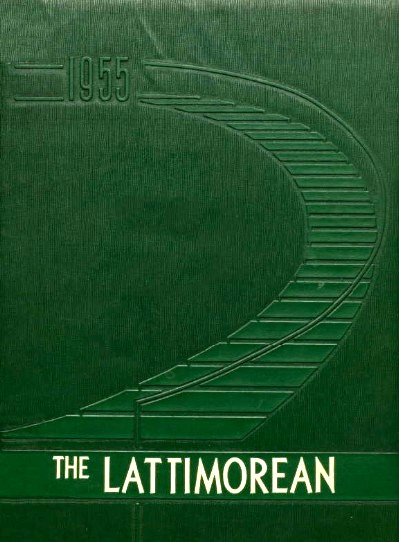
The photos below came from the 1955 Lattimore High School yearbook, The The Lattimorean, digitized and accessible on Ancestry.com. Lattimore High School also included 8th grade that year. In 1956, the name of the yearbook was changed to The Cavalier.
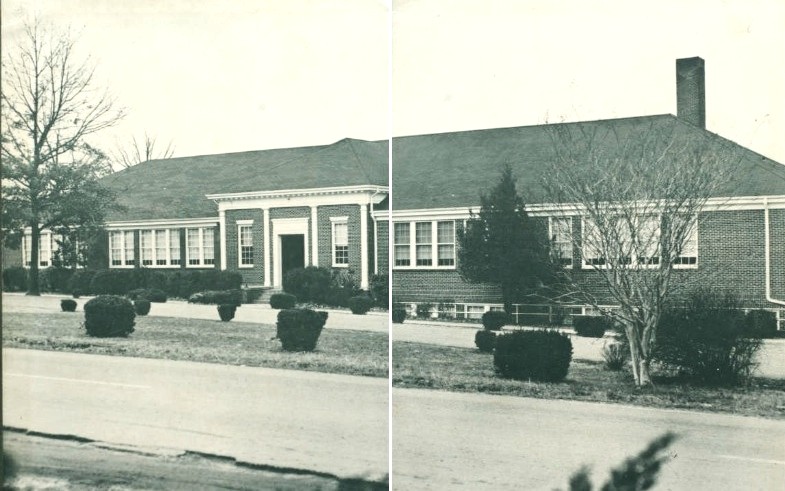
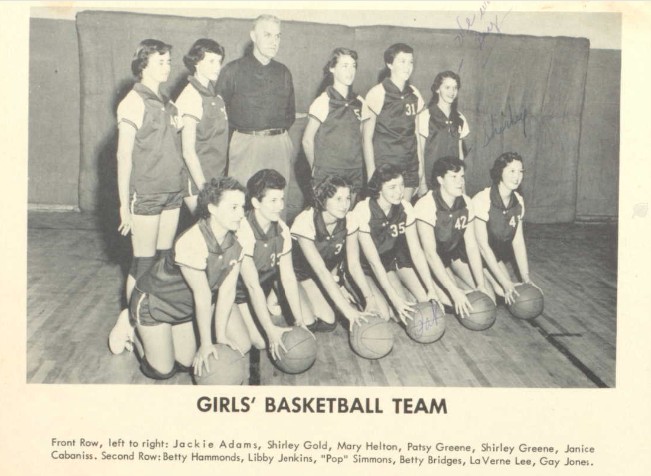
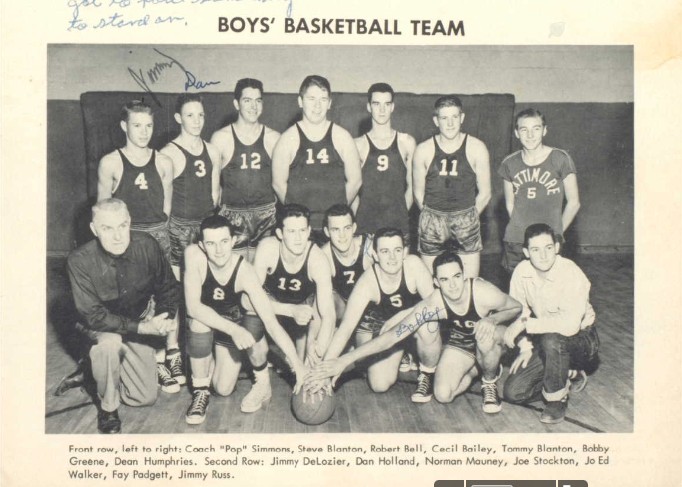
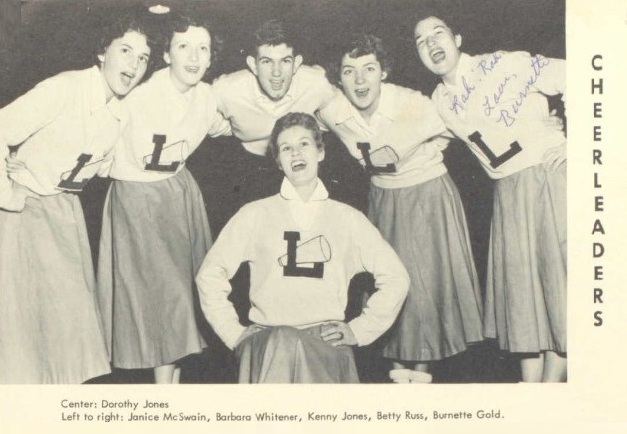
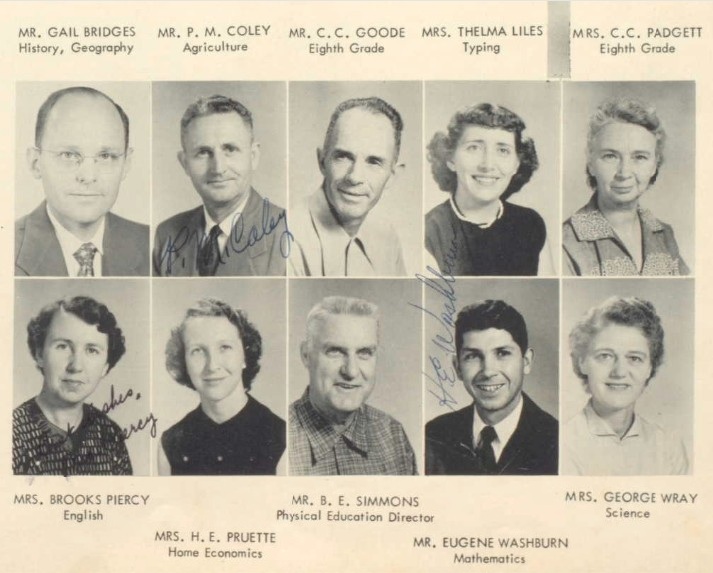
The class of 1959 was the last class to graduate from Lattimore High School. The following year Lattimore students went to the newly established Crest High School operating in the former Boiling Springs High School building.
| principal | term | photo |
| Wm. Lawton Blanton, Sr. | x-1930-x | |
| Chivous C. Padgett | x-1956-x | 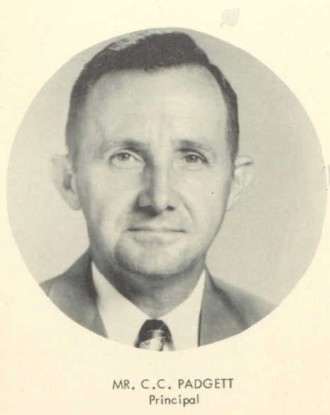 |
Mooresboro High School
Mooresboro High School had its origin in the Mooresboro graded school that opened in 1904. When the high school grades were added is unclear, but the earliest newspaper mention of “Mooresboro High School” was in 1921.

In 1960, Mooresboro High School was consolidated with Crest High School (the first one) in Boiling Springs. This original Crest High closed in 1967 after the new Crest High School building was completed.
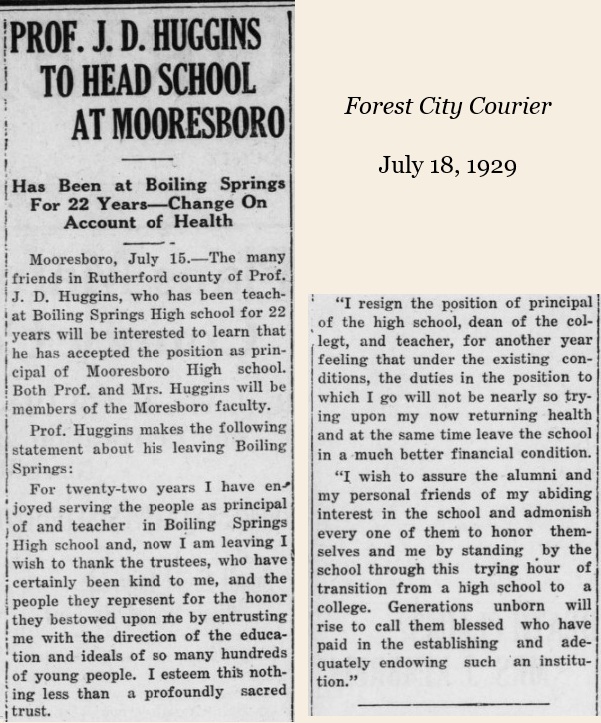
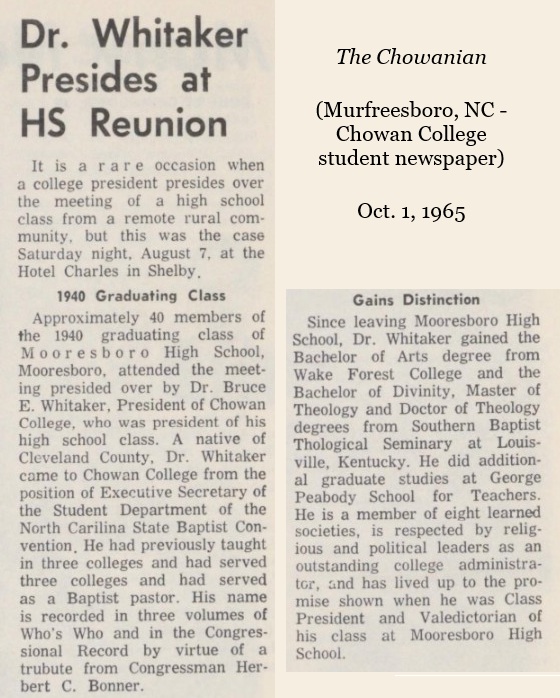
| principal | term | photo |
| J. B. Smith | x-1918-x | |
| J. D. Huggins | x-1930-x |
Number Three Township High School
The Number Three Township High opened in 1930. This school served students from the Earl and Patterson Springs areas.
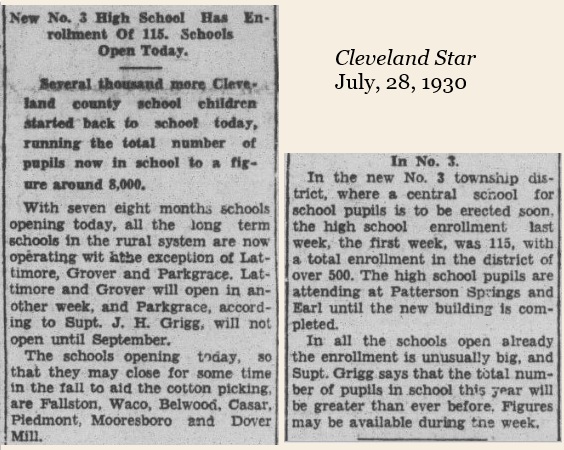
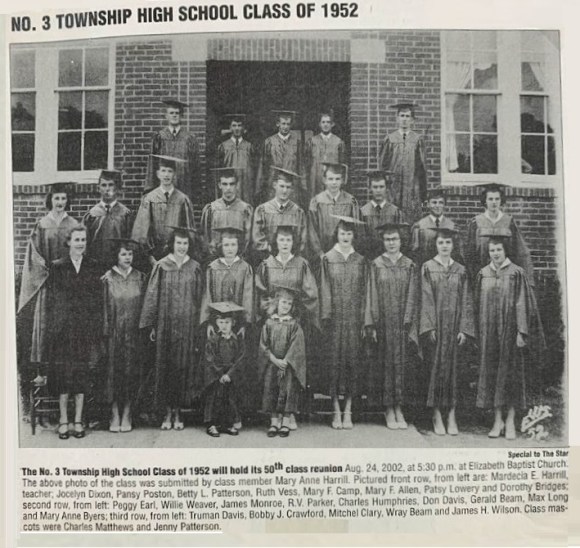
| principal | term | photo |
| Lawton Blanton | x-1934-x | |
| C. L. Wilson | x-1967-x |
Number Eight High School (Polkville)
The Number Eight consolidated school began in August of 1928.

| principal | term | photo |
| J. L. Dennis | x-1930-x | |
| J. A. Kiser | x-1934-x |
Patterson Springs High School
Patterson Springs High School was built in 1924. It operated at least through the mid-1940s.

| principal | term | photo |
| Minor R. Biggers | x-1930-x |
Piedmont High School (public school, 1924-1967)
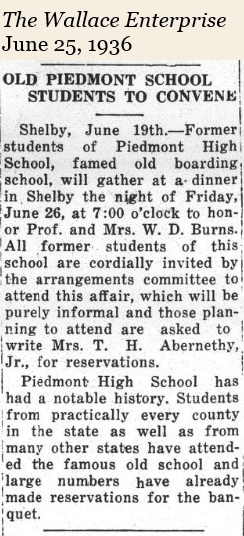
Prior to the 1924-1925 term, Piedmont High School had been a private boarding high school serving students from all over the county and many parts of the state and beyond. After it became a public state-supported high school, board and dormitory facilities remained privately operated. See the dedicated tab for this school’s unique history here.
The privately held Piedmont High School became a public high school in the 1924-1925 academic year. This school served high school students in Lawndale and other upper Cleveland communities until 1967. At that time its students began attending the newly constructed Burns High School on Stagecoach Road in Lawndale. Piedmont School continued to operate for the lower grades until 1976.
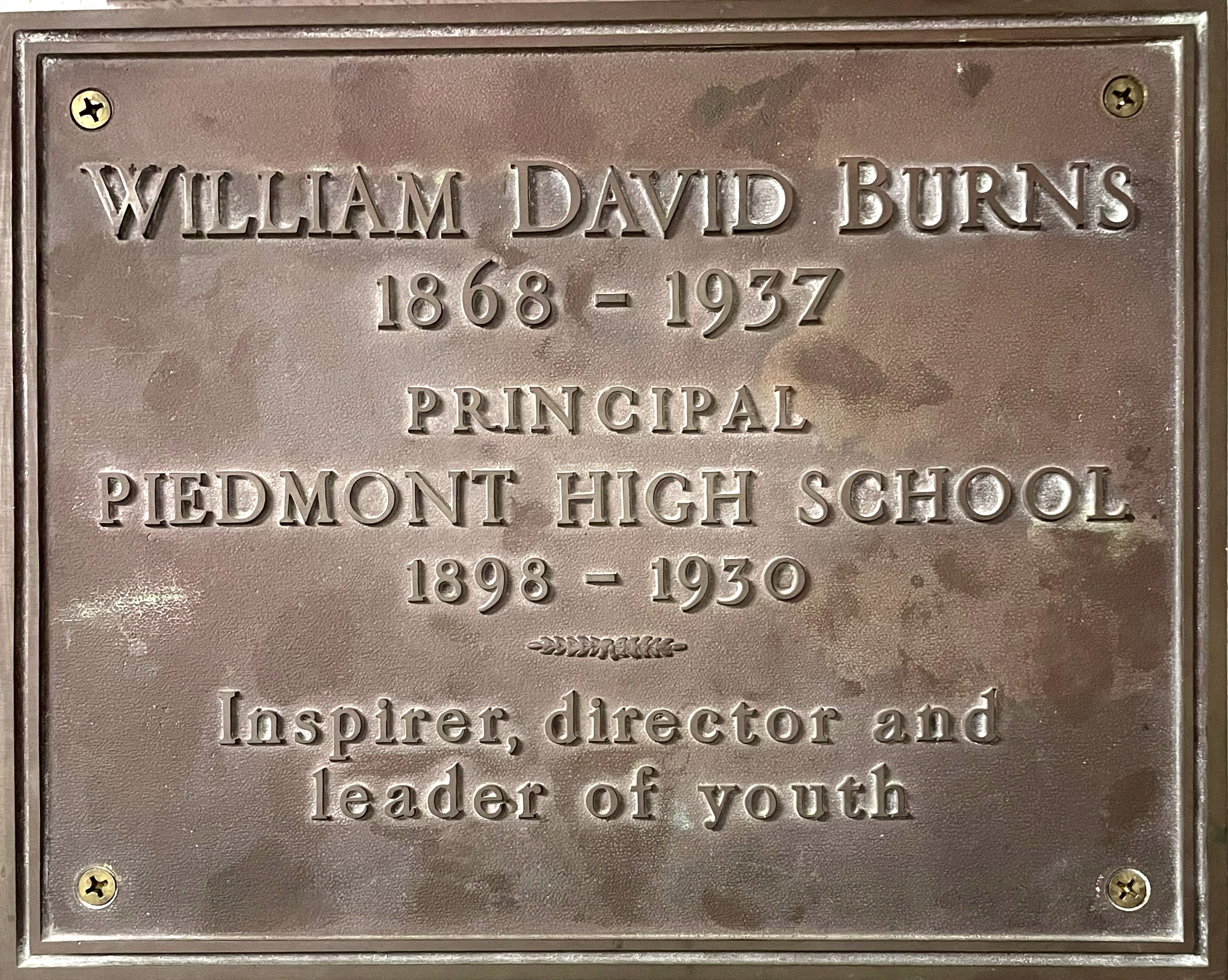
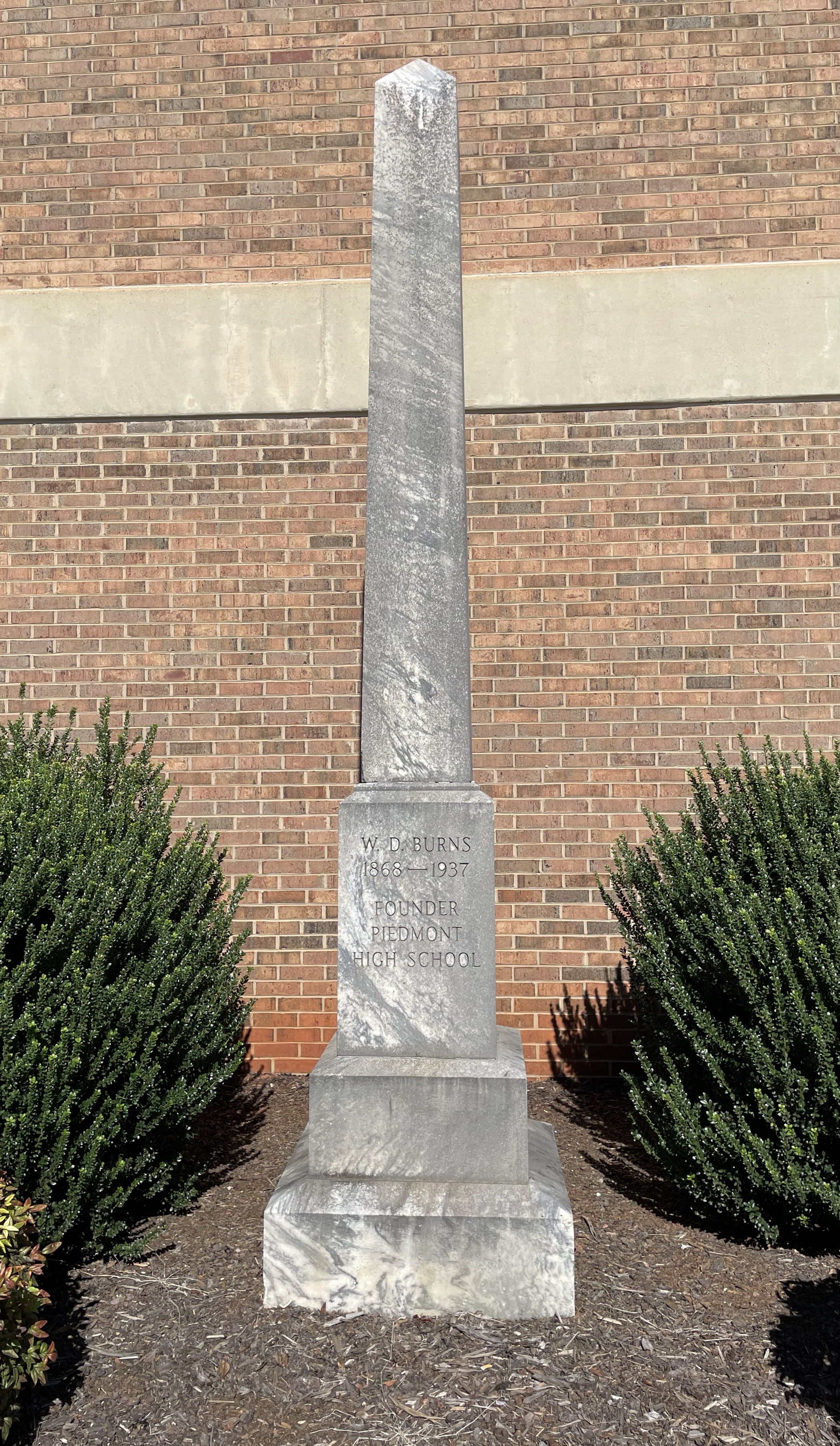
In 1936, Principal William David Burns retired after 38 years of serving Piedmont High School. He died a year later. Burns High School is named in his memory.
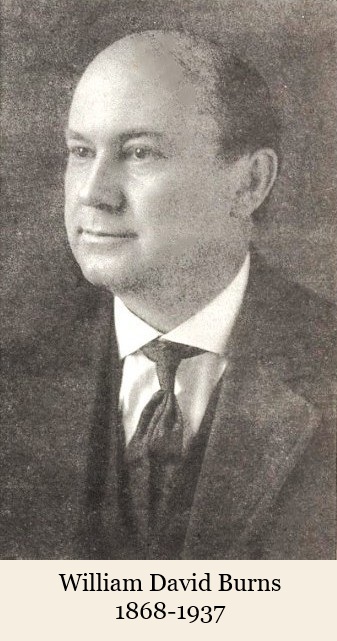
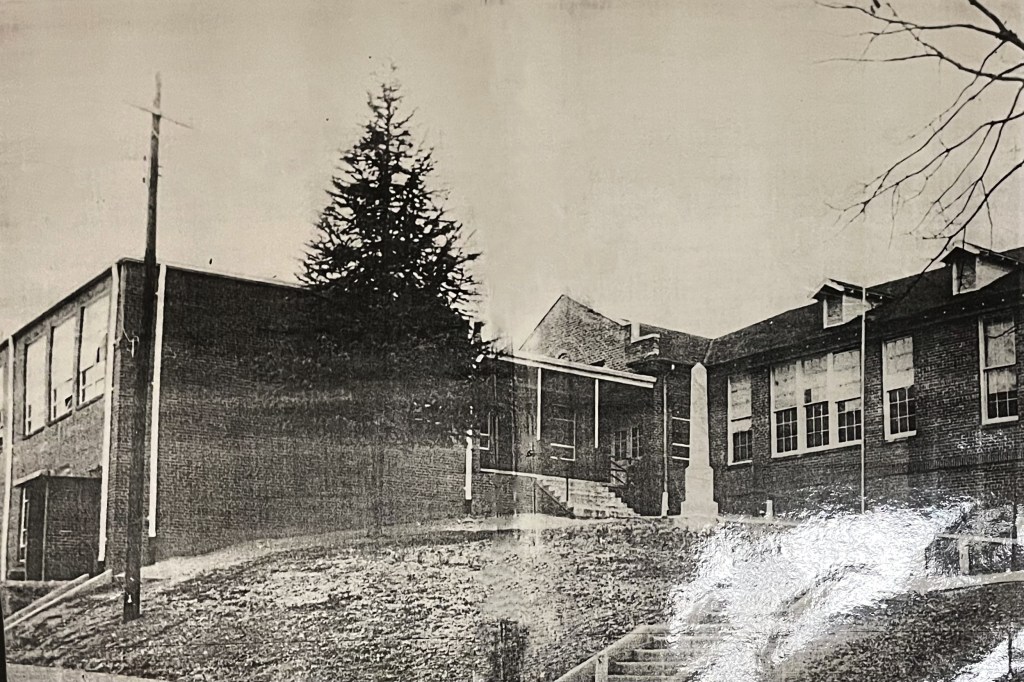
The plaque below is displayed in the Lawndale Historical Museum. The obelisk on the right once stood in front of the main building of Piedmont High School. It was moved to the front entrance of the new Burns High School after it was built.
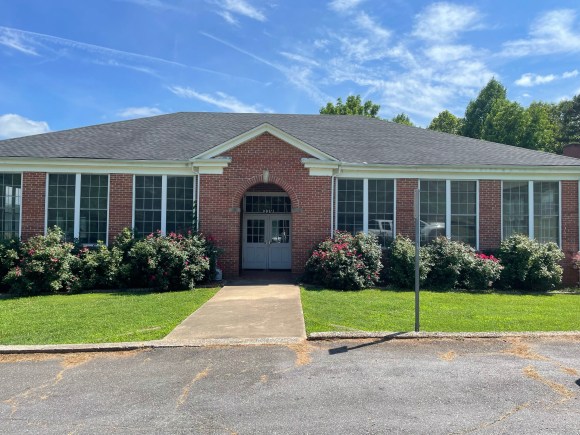
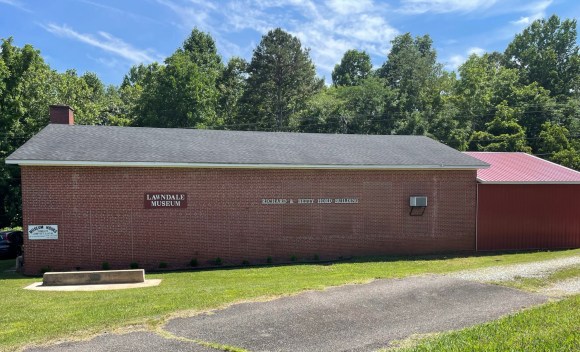
In 1938, a new building housing the home economics and agricultural studies classrooms was built. The Lawndale Community Center is currently housed in this building. The brick building adjacent once housed welding and carpentry classes. It now houses the Lawndale Museum. It was renamed the Richard and Betty Hord building in 2017.


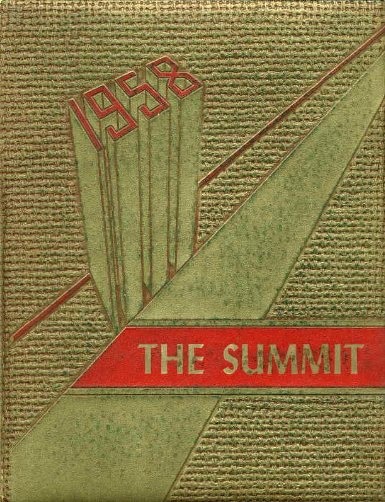
The photos below came from the 1958 Piedmont High School yearbook, The Summit, digitized and accessible on Ancestry.com. The yearbook includes photos of students in grades 1-12, not just high school students.
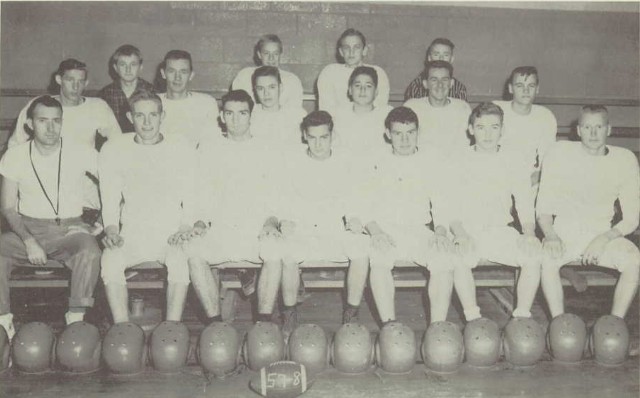
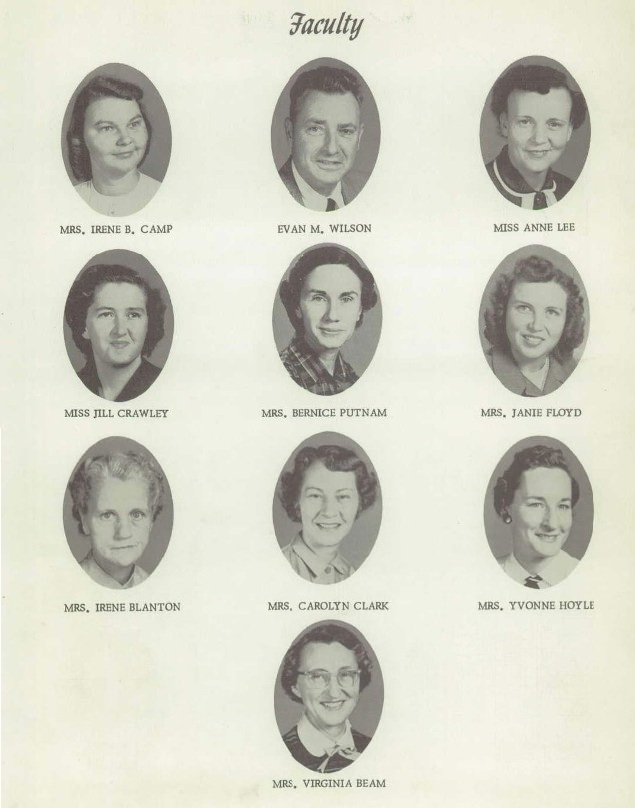
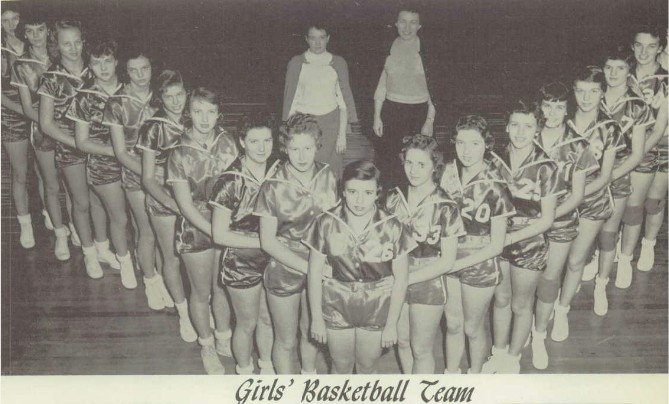
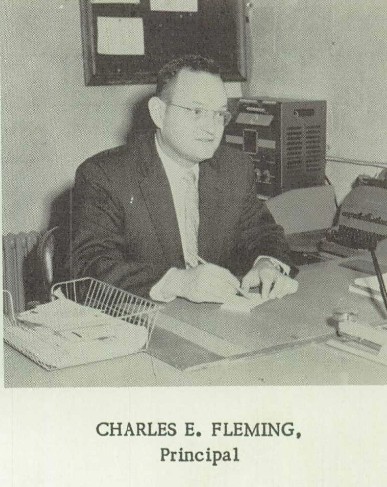
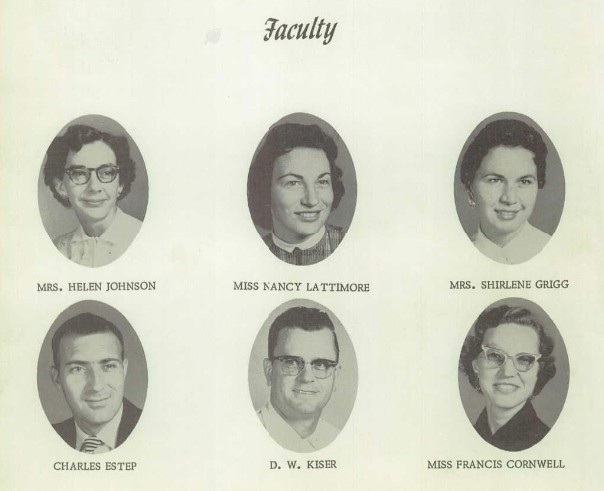
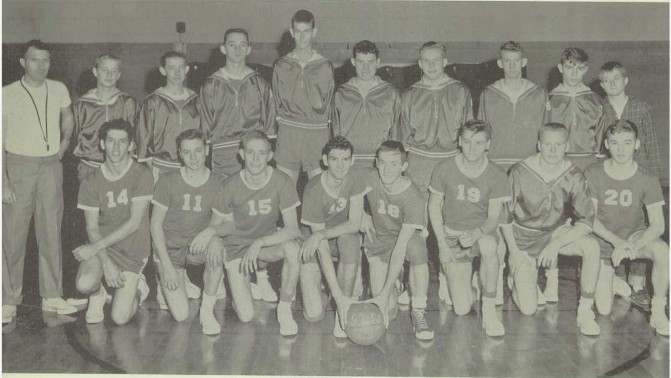
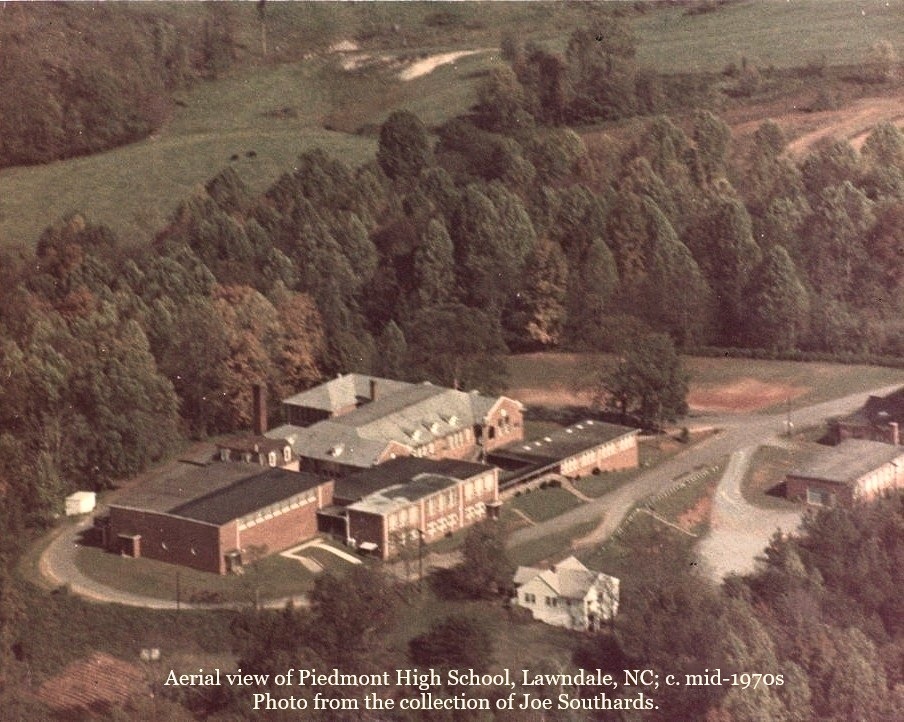
| principal | term | photo |
| William D. Burns | 1924-1935 (W. D. Burns also served as principal 1897-1924, when the school was still a private school. W. B. Dove had served just prior, 1896-1897.) |  |
| Marvin L. Turner | 1935-1946 |  |
| Stanley Greene | 1946-1948 | |
| J. G. Michael | 1948-1955 | 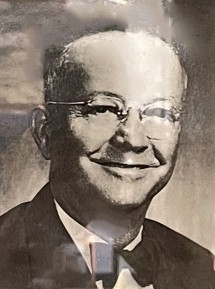 |
| Roscoe L. Billings | 1955-1957 | 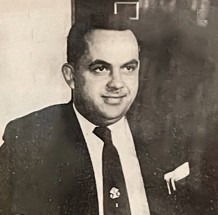 |
| Charles E. Fleming | 1957-1958 |  |
| Dan T. Camp | 1958-1967 |  |
Waco High School
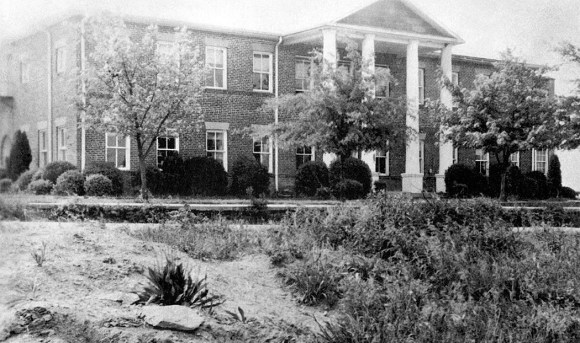
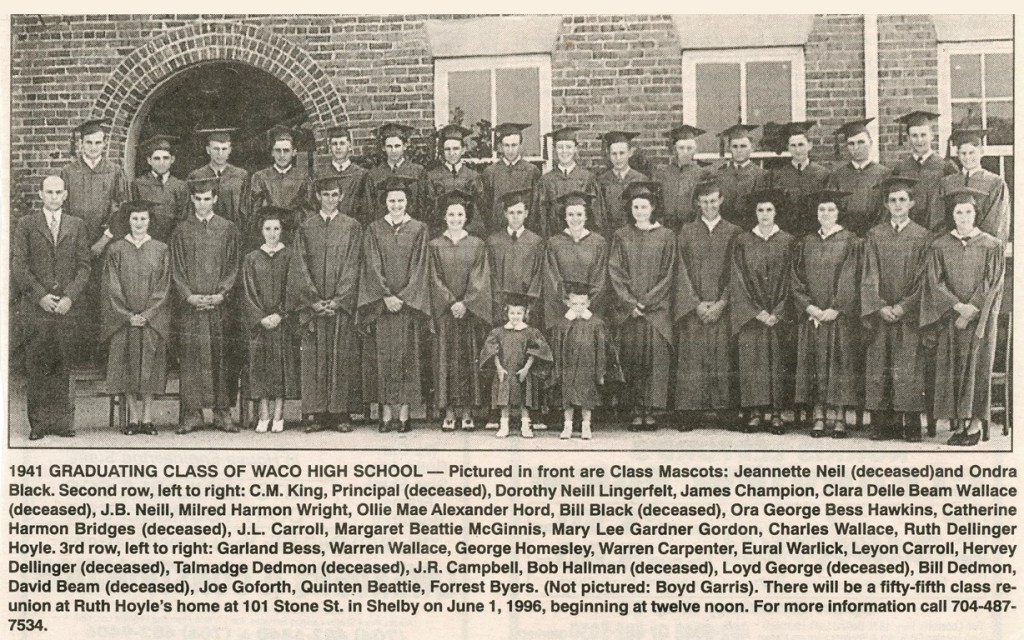
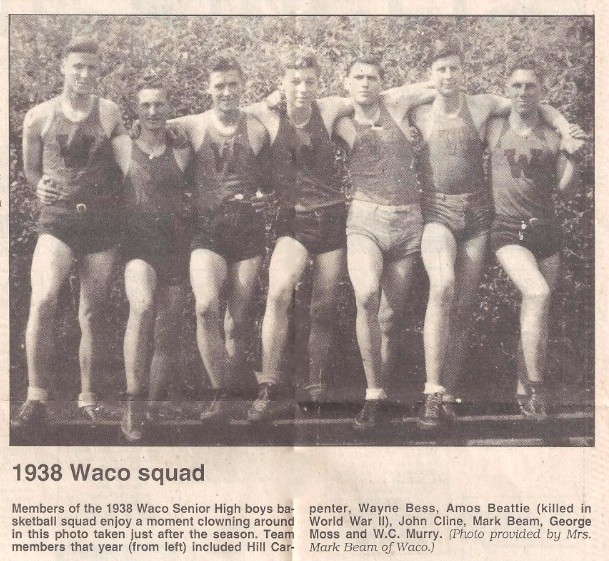
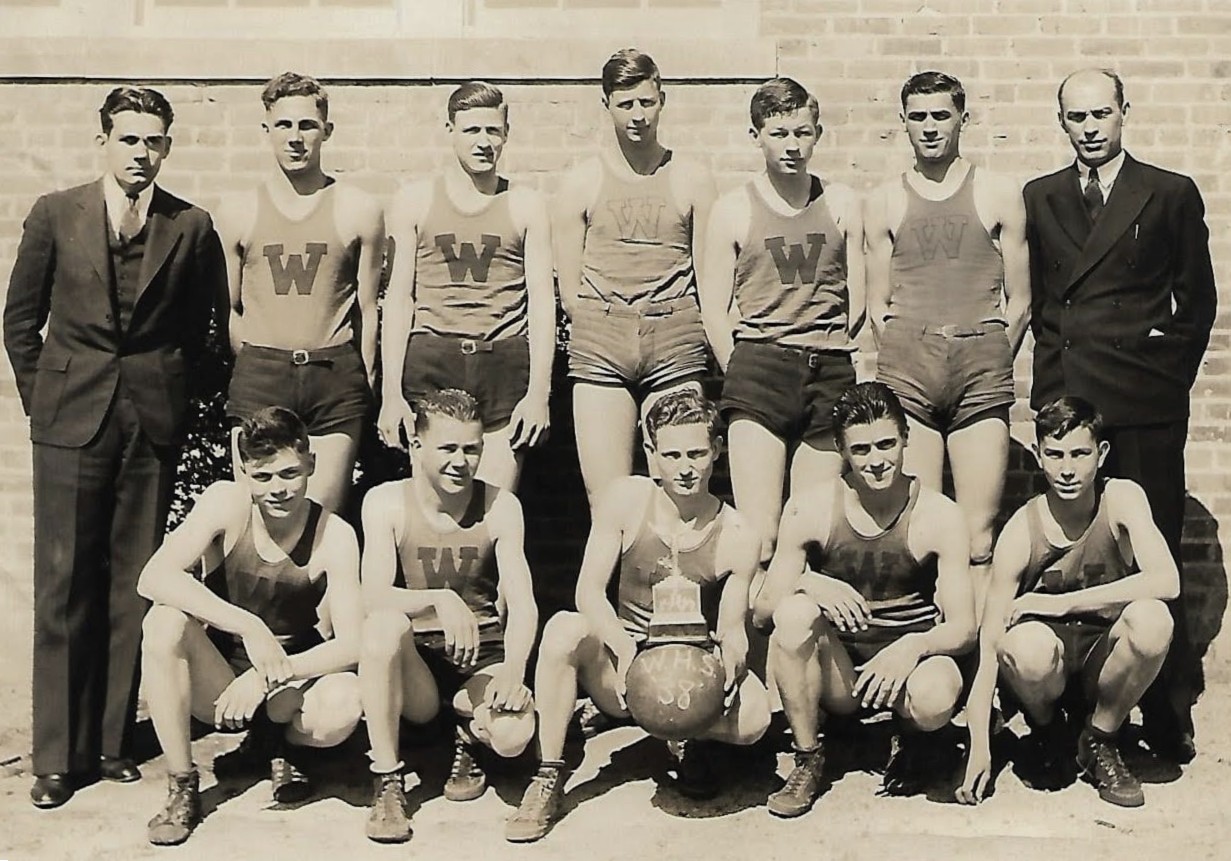
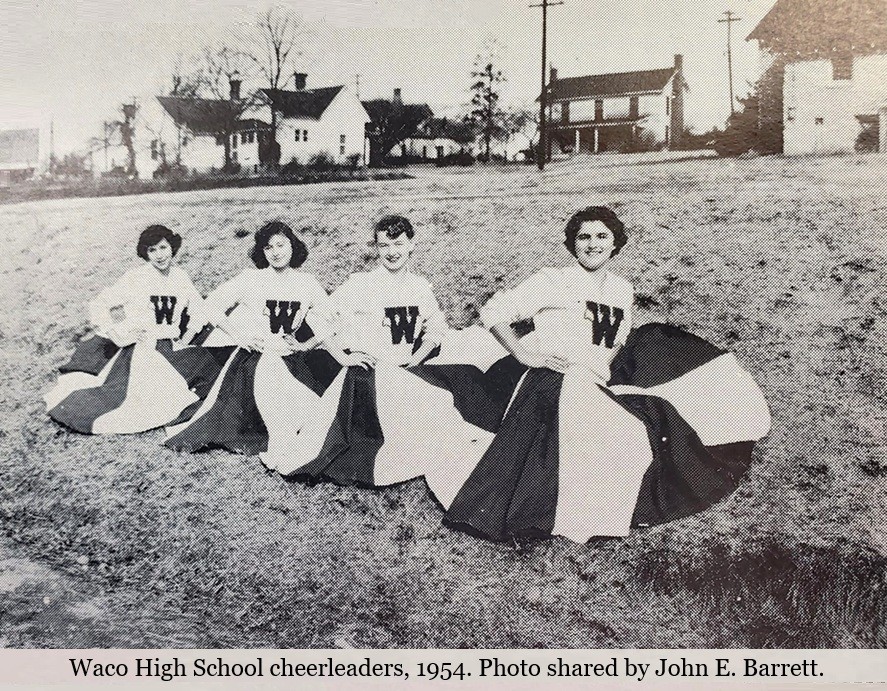
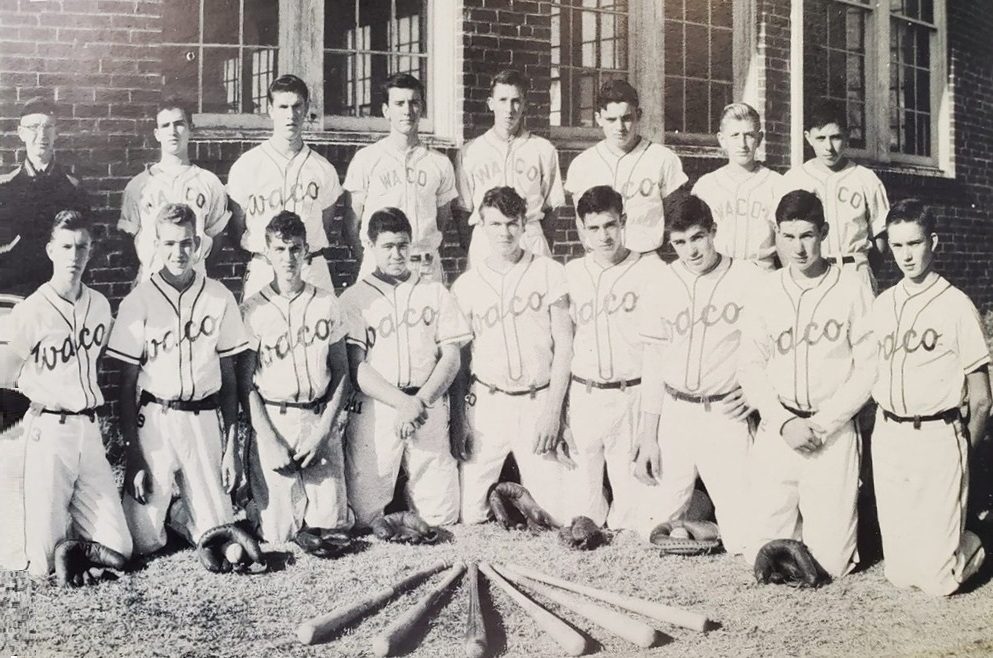
| principal | term | photo |
| Mark B. Clegg | 1903-x | |
| C. A. Irvin | x-1918 | |
| Nancy M. Livingston; bio | x-1920-x | |
| F. W. Simpson | x-1930 | |
| Clarence M. King | 1930-x | |
| Walter H. Dodd |  |
Washington School
Not to be confused with the elementary grade school on N. Lafayette Street in Shelby, this Washington School served Black students in the Waco area until integration took place in 1967. This school offered grades one through 12. (Anyone with photos or information about this school may contact Paula Dedmon at paula.dedmon@gmail.com.)
| principal | term | photo |
| W. B. Howell | x-1967 |

