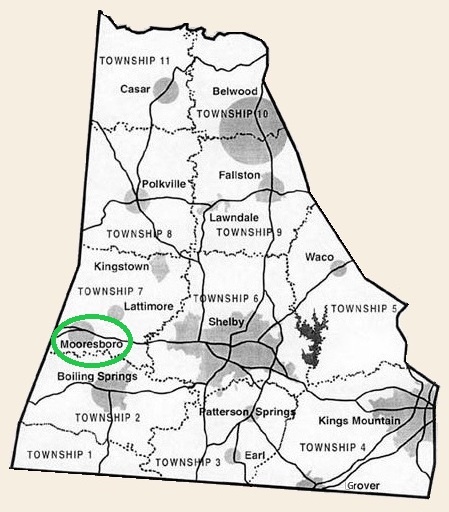
Mooresboro is the county’s westernmost town. It was incorporated as a town in 1885. The name chosen was in memory of Lemuel Moore, an early settler. Mooresboro’s first mayor was B. H. Bridges.
Mooresboro’s Beginnings
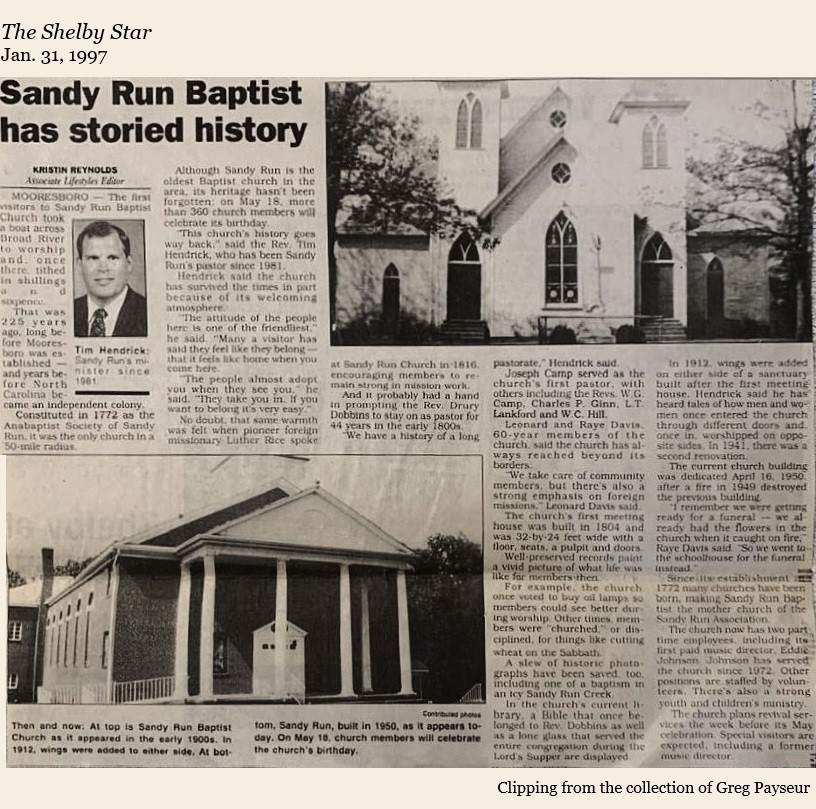
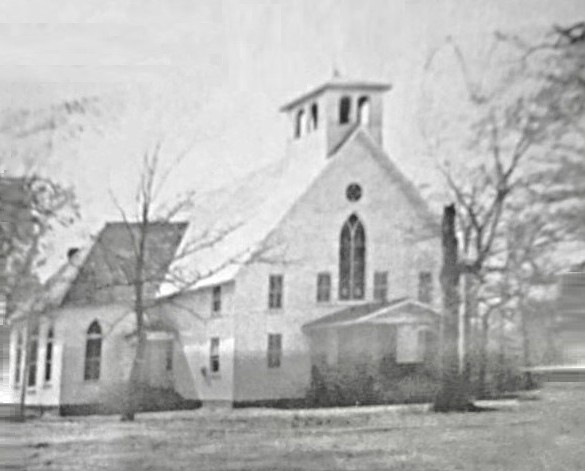
According to Mooresboro historian, Virginia Greene DePriest, the area that is now Mooresboro had its beginnings as a settlement as early as the 1750s. Sandy Run Baptist Church was established in 1771. In 1878, Frank Bland came to the area from Surry County with the intention of establishing a town there. Frank Bland was Joseph Frank Bland, a native of Rutherford County, NC. He had married Cleveland County born Martha Burrus in 1875. Frank was already familiar with the area, but was probably motivated by the start of train service through there.
The following is an excerpt from the booklet, The Sandy Run Settlement and Mooresboro, written by Virginia Greene DePriest in 1978. The entire 60 page booklet can be accessed here.
“Water was of paramount importance to the early settlers of this country. Broad River and its many water courses offered a strong attraction to these men and women. Sandy Run Creek especially, with its swift-flowing current, was ideal both for water and for an essential business—the grist mill. Old deeds frequently refer to ‘the mill and mill seat.’
The Sandy Run settlement may have begun as early as the 1750’s. Some people came here from Virginia to escape the heavy tobacco tax, and they were not eager to have the crown find them. Their homesteads had often been occupied for years before the owners applied for a grant of land.
Because so many people lived on or near Sandy Run Creek, it was logical for them to establish a place of worship. The Anabaptist Church or Society of Sandy Run was organized in 1772. In the beginning members met in homes; however, according to tradition, a Meeting House was built near the present Seaboard Railroad trestle, just up the hill from the creek. Until some time in the 1930′ s a cemetery was in this vicinity with a number of marked graves.
In 1804 the Anabaptist Church bought 25 acres of land for $37.50 from Charles Breedlove, part of a 100-acre tract which Breedlove had purchased from William Green in 1803. The deed has the statement “including the meeting house and spring.” The deed from Green to Breedlove defines the land as being on Chestnut Log Creek and crossing the Meeting House Branch. This church deed was recorded first in Rutherford County in 1807 and again in Cleveland County in 1863. You will find copies of the pertinent deeds in the back of this booklet.
Because there were so few churches, the Anabaptist Church on Sandy Run drew members from a wide area. Deeds for church members show these people living as far east as Kings Mountain, south down into present South Carolina, west as far as the North Pacolet and Green Rivers and north to the upper portions of Knob Creek of First Broad River.
A list of deeds showing where some of the people lived has also been compiled. An asterisk beside the name on the following church membership roll indicates that that person is named on the deed list. This deed list, separated by creeks and rivers, follows the church rolls.
A composite list of Sandy Run Church membership rolls dated 1782, 1804, 1814 and 1846 attempts to provide some information about these early members. Each roll offers comments such as ‘dis’ or ‘dead.’ These comments are shown first under the information heading on the list and then any other available information.”
Mooresboro was first incorporated in 1885, after which, elections were held.
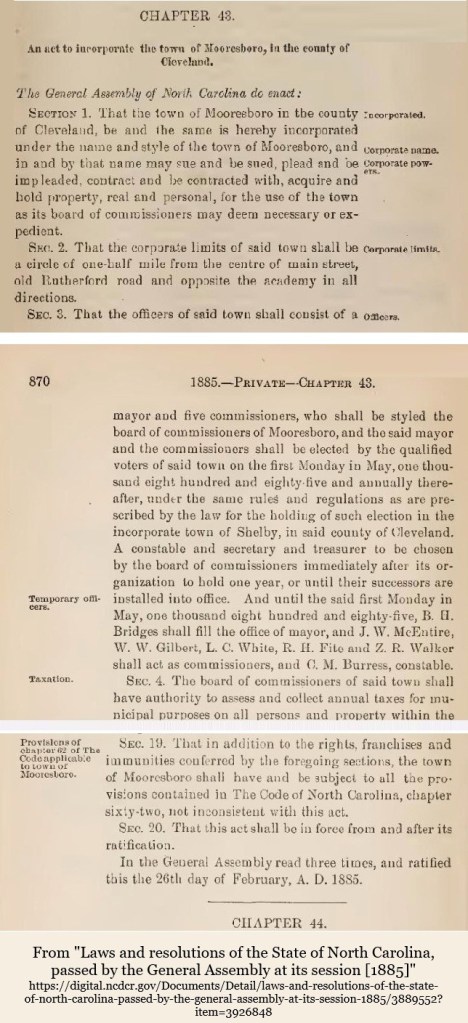

Burwell “Berry” Henderson Bridges was Mooresboro’s first mayor. Mr. Henderson was also a well known, well respected educator in both Cleveland and Rutherford Counties.
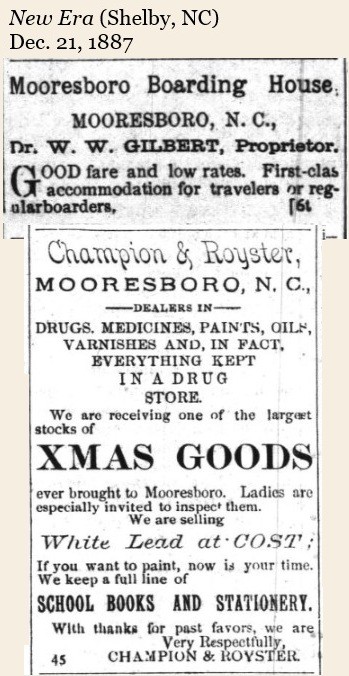
Mooresboro’s first town commissioners were J. W. McEntire, W. W. Gilbert, L. C. White, R. H. Fite, and Z. R. Walker. C. M. Burress (Burrus) was town constable. C. M. Burrus was Charles Miles Burrus, a sister to Martha Burrus Bland. The family connections can be found here.
Mooresboro Commerce
At one time Mooresboro was home to a tobacco factory operated by Henry C. Burrus and Frank Bland. There was also the Mooresboro Oil Mill, a cottonseed oil production plant, as well as a cotton gin. According to Branson’s Business Directory, there were also two tanneries operating in Mooresboro in 1890. One was operated by J. L. Edwards; the other was operated by A. B. Blanton and Son.
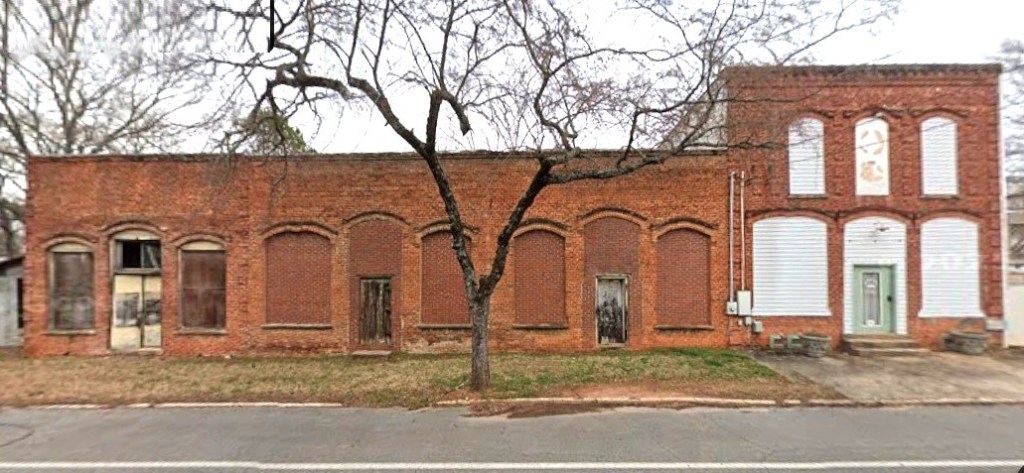
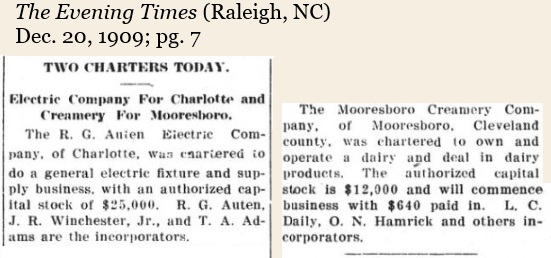
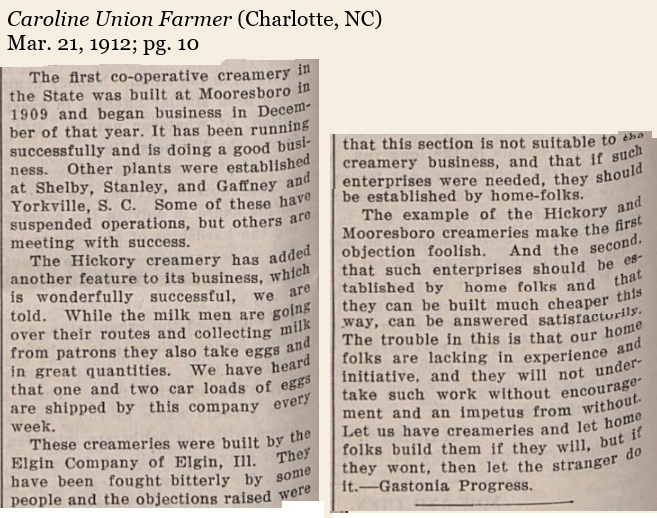
The Mooresboro Creamery received its charter in 1909. Operated by John B. Blanton and sons, Ralph and Fred, it became one of North Carolina’s premier creameries.

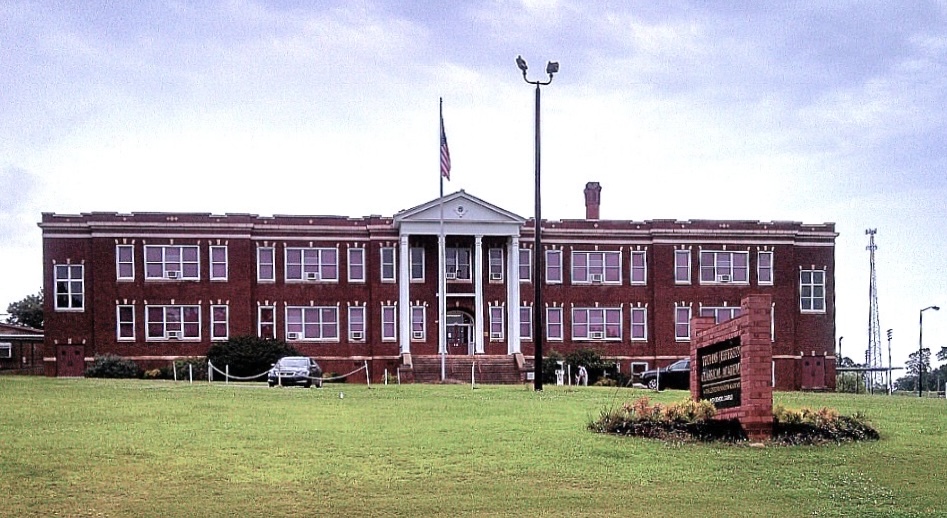
Mooresboro Schools
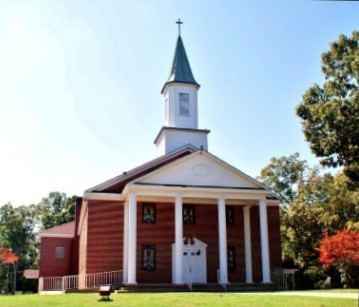
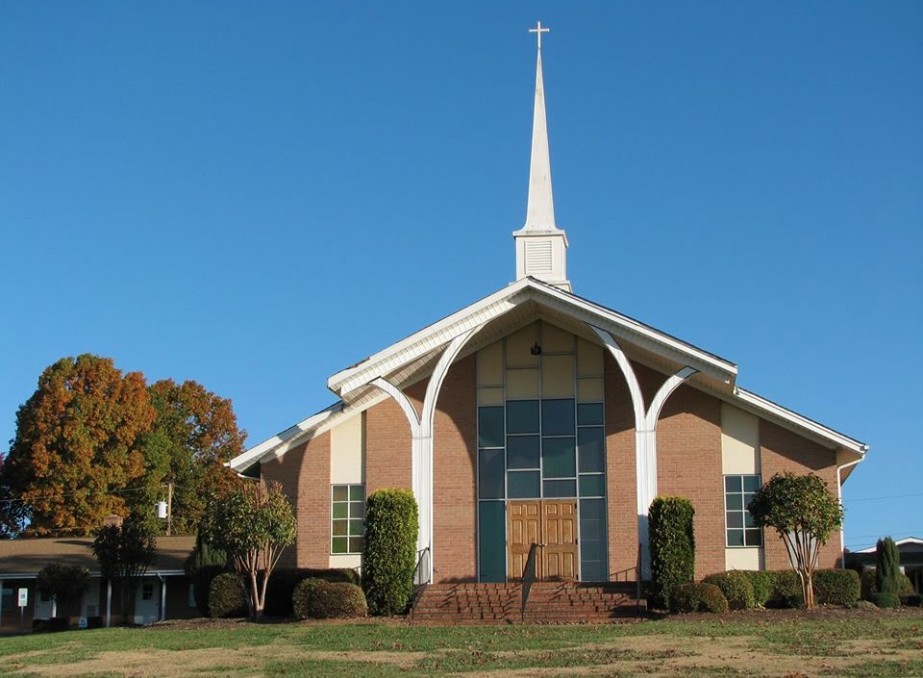
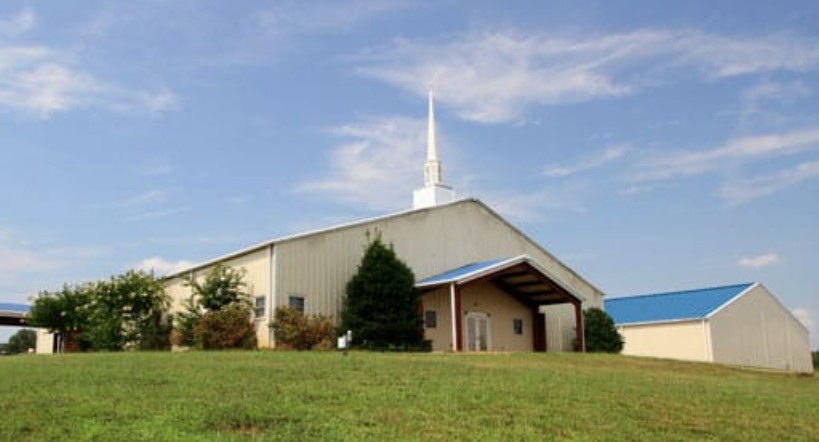
Mooresboro Churches
| Additional Information about Mooresboro |
| Moorsboro, NC Wikipedia entry |
| Historic Architectural Survey Report on Mooresboro, NC |
 Cleveland County History