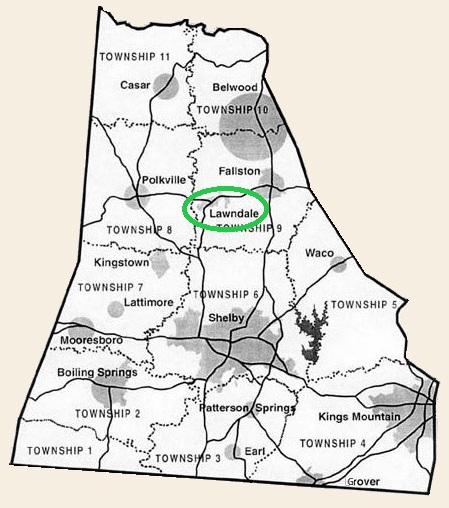
The former communities of Beam’s Mills, Black Rock, Cleveland Mills, and Love Joy were also in Tws. 9.
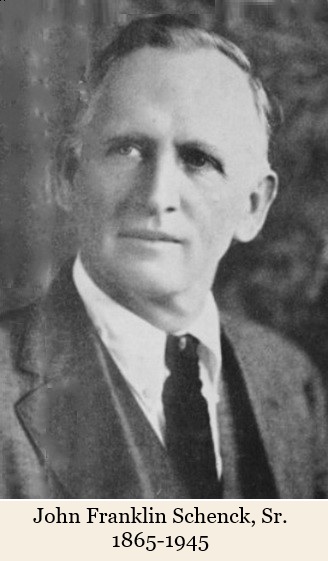
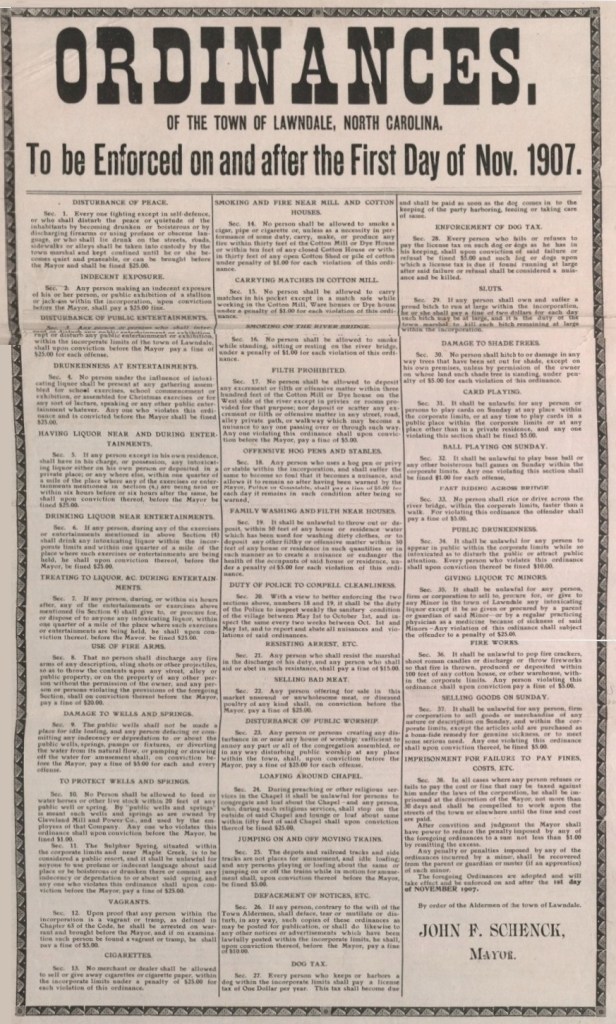
The area that is now Lawndale was labeled as “Gardner’s Ford” on an 1868 map of the county. A bit later “Cleveland Mills” was labeled at Knob Creek about a mile north of what is now Lawndale. “Lawndale” was mentioned in the Shelby Aurora in 1895. Lawndale’s first mayor was John F. Schenck.
Lawndale’s Beginnings
Before 1873, the area that is now Lawndale was only a stagecoach stop and farms. The area became a community with the construction of a textile mill by Henry Franklin Schenck. “Schenck’s Factory” was Cleveland Mills, located on Knob’s Creek just above where it flowed into the First Broad River. Major Schenck, as he was known, also built houses for his employees. The mill village became known as Cleveland Mills.

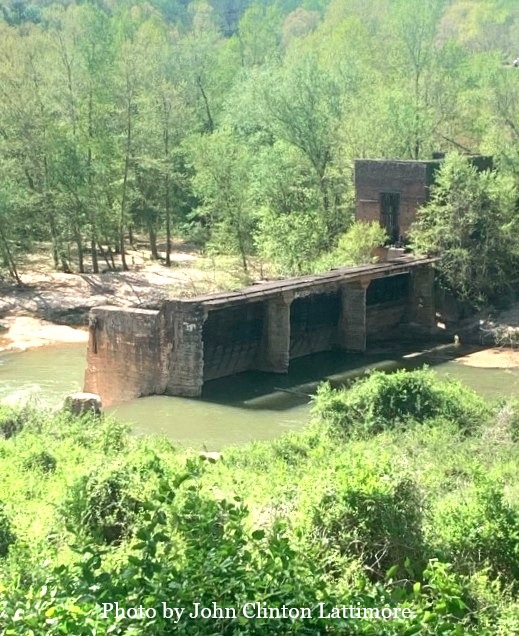
In 1888, Major Schenck built a second mill about a mile south of the Knob Creek mill. This one was built along the First Broad River. Soon he built more houses for his employees. These homes had green, sloping lawns and that is the origin of the town’s name, “Lawndale.”

Henry Franklin Schenck was the grandson of Michael Schenck who built the first cotton mill in the state of North Carolina. Henry served in the Confederate Army attaining the rank of Major. He and his family were major contributors to the development and growth of Lawndale.
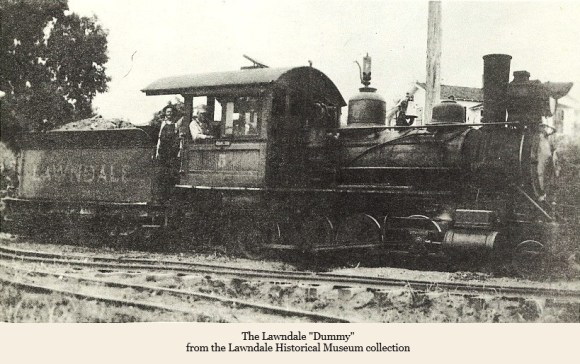
After operating two mills for a time, Maj. Schenck enlisted his son, John Franklin Schenck, who had become an attorney. John Schenck left his practice in Durham, NC and returned home to assist his father with his businesses. Together the father and son duo were instrumental in bringing telephone service into Lawndale in 1890. In 1903 they secured a charter for a railroad line that ran between Lawndale and Shelby. Known as the “Lawndale Dummy,” it ran between Lawndale and the depot off N. Washington street in Shelby.
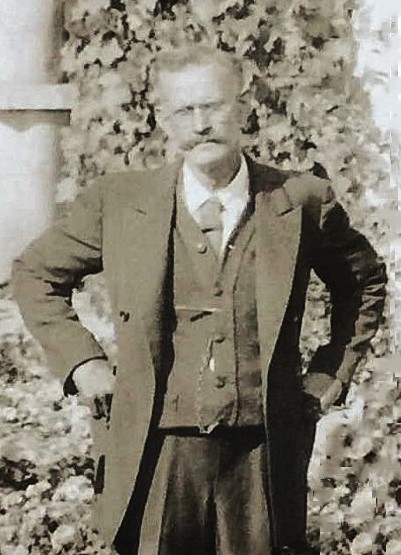
Quincy Hague Metcalfe supervised the building of the railroad and served as its road foreman for its entire existence. Mr. Metcalfe also had a service station that became Metcalfe Station and is now a museum dedicated to the history of the Lawndale “Dummy.” Read more…

Lawndale Schools
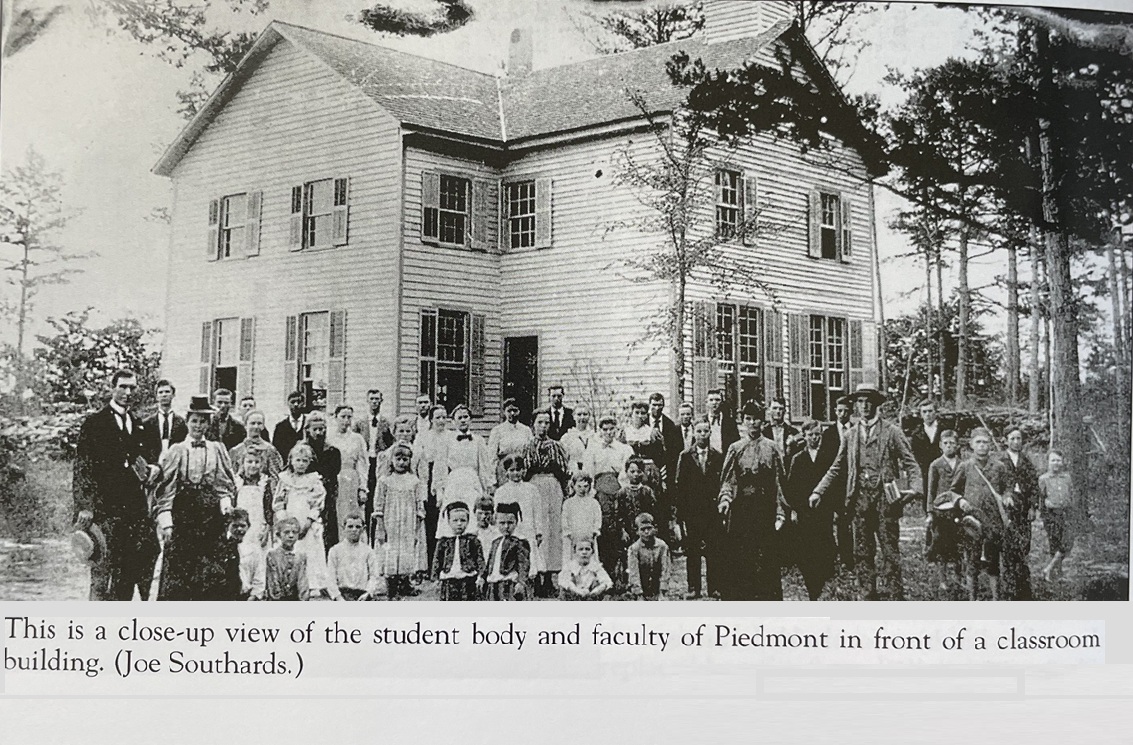
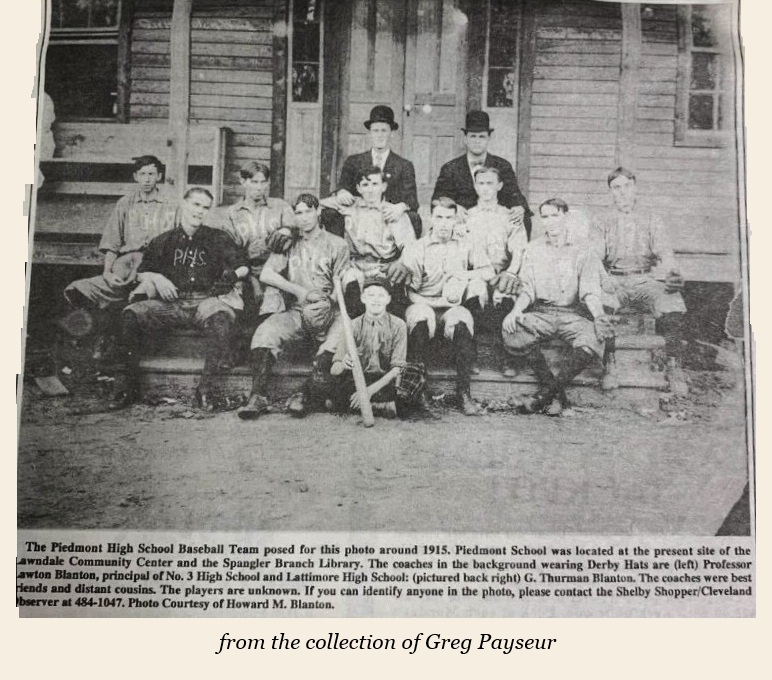
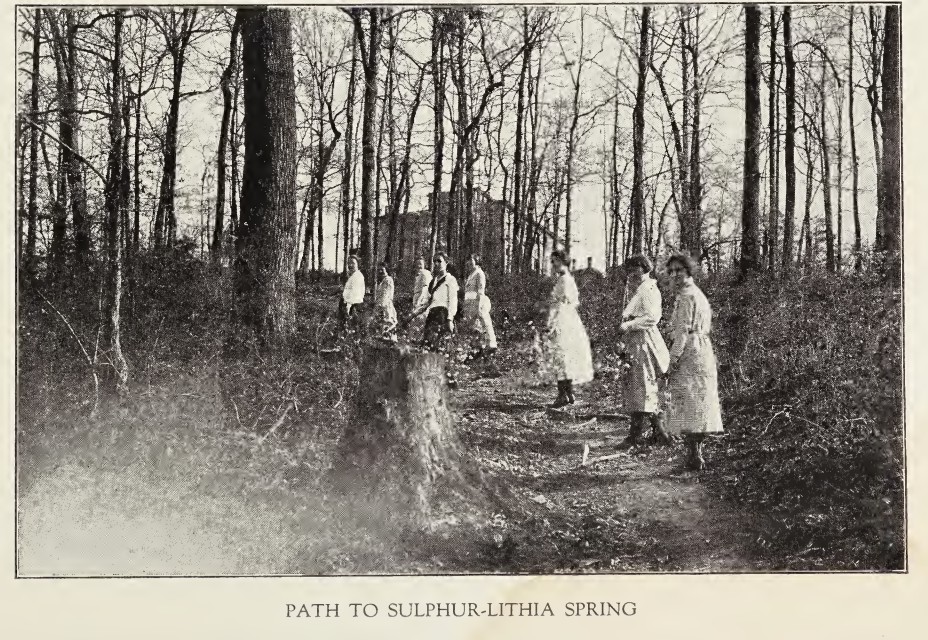
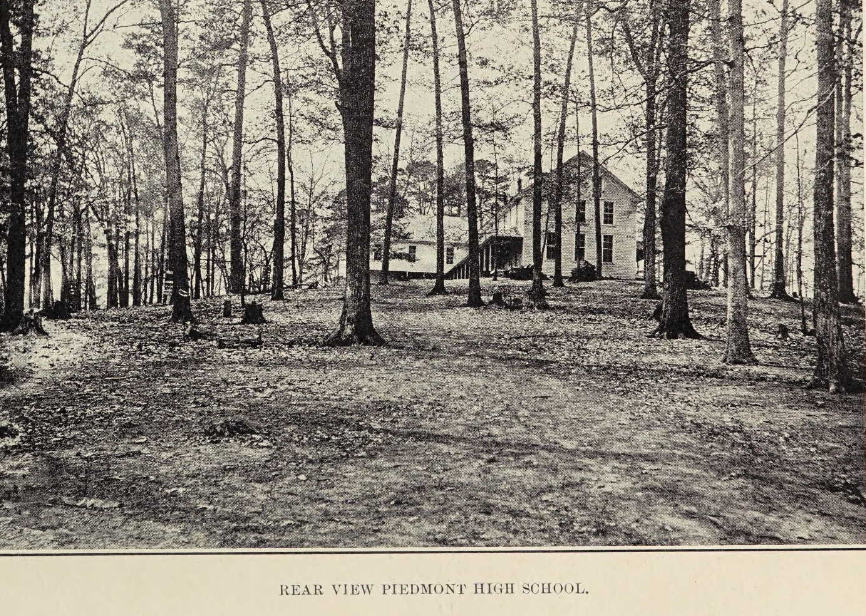
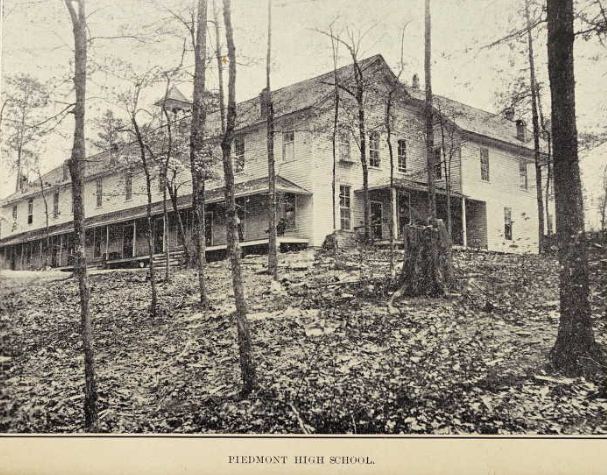
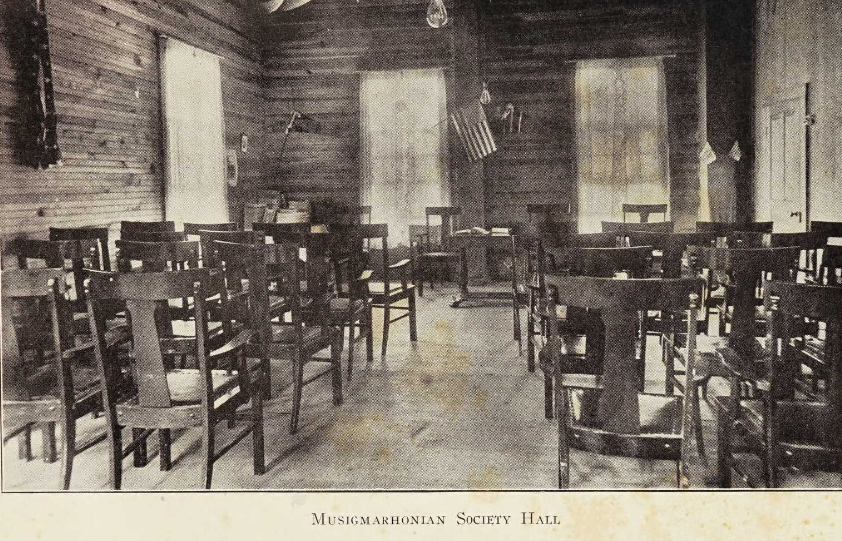
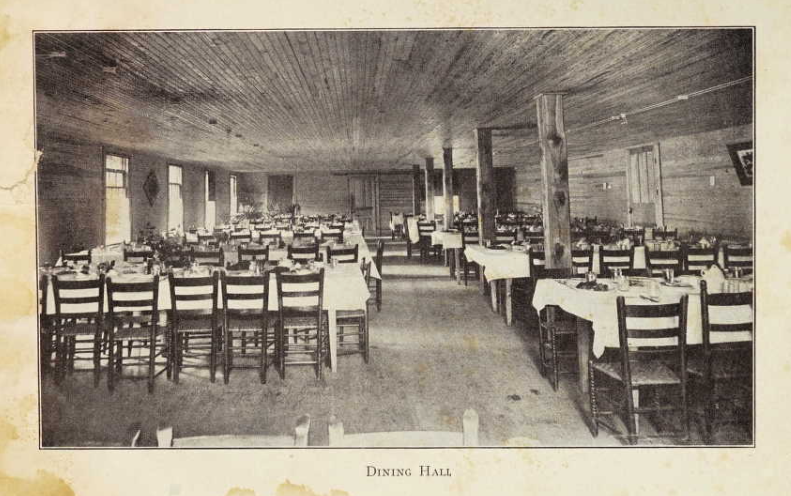
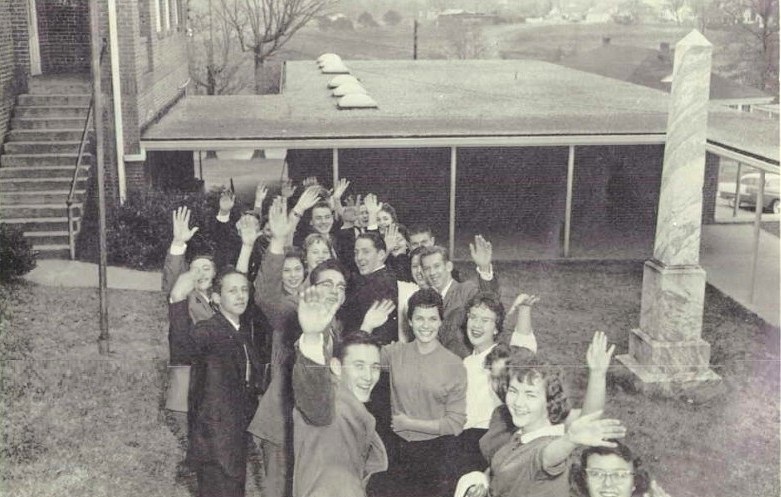
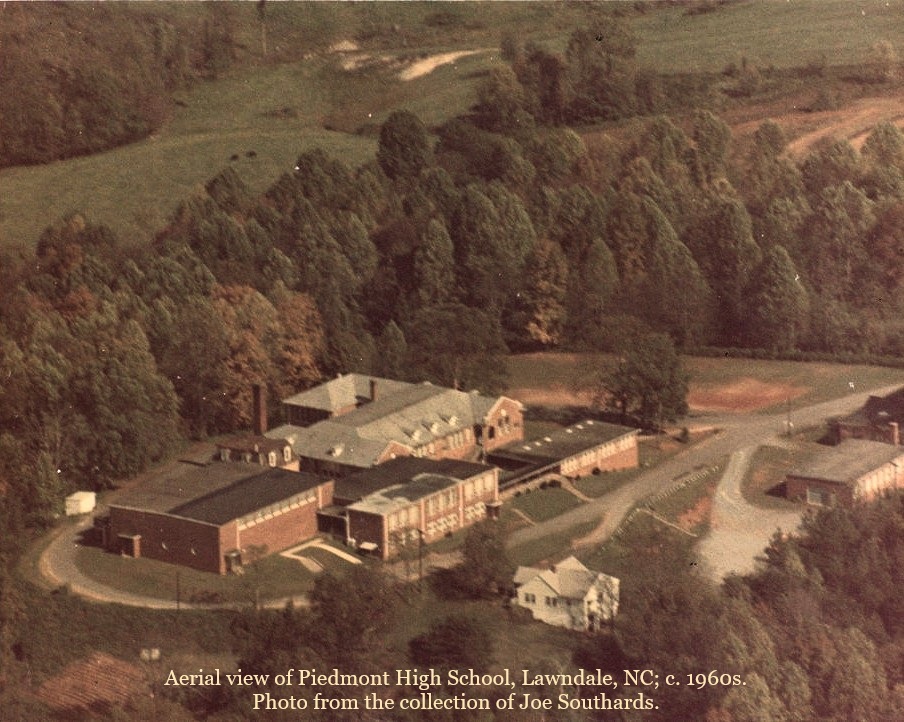
In 1897, Major Schenck, his daughter Minnie Schenck Ramsaur and son-in-law Thomas J. Ramsaur were also instrumental in the building of the first Piedmont High School in the Cleveland Mills community north of Lawndale. As it was a boarding school, students from many parts of the state chose Piedmont for their preparatory school.
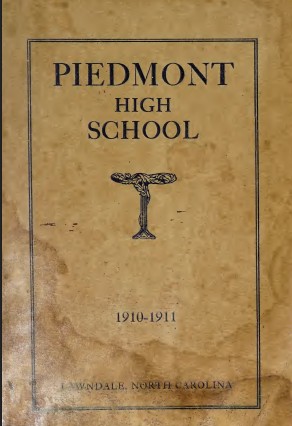
The school’s first principal was W. Banks Dove. He was principal there for only a year or so.
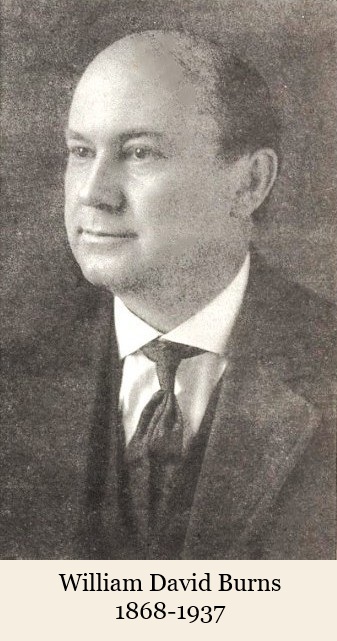
William D. Burns was the next principal. Under his leadership, Piedmont High School flourished and became the jewel in the crown of the entire county with a wide reaching, stellar reputation. Mr. Burns was principal for 35 years. Burns High School, built in the 1960s, was named for him. Read more about Piedmont School here.


Lawndale Churches

John Franklin Schenck, Sr. was Lawndale’s first mayor.
 Cleveland County History