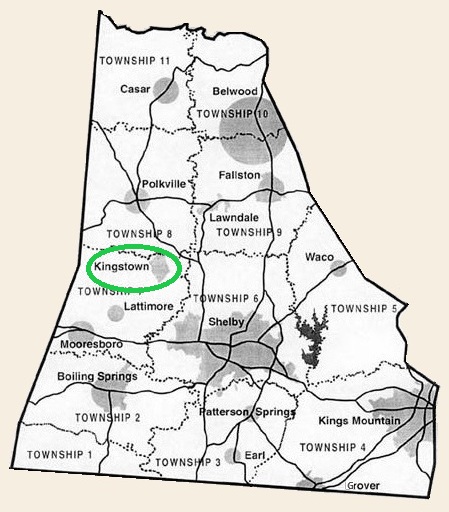
Kingstown and Polkville

Kingstown

Kingstown is the youngest of Cleveland County towns. It was incorporated in 1989 and named after Martin Luther King, Jr. Located just east of Brushy Creek, this was the vicinity of the communities of Camp Call and Pearl. Camp Call had been used as a training ground for the Home Guard prior to the Civil War. Later the area came to be known as the Eskridge-Weathers Grove Community.

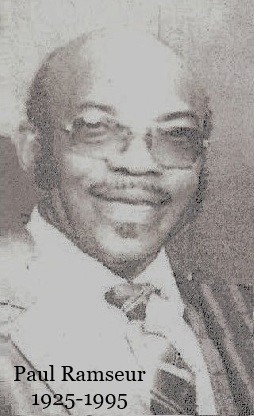
In 1972, residents of the area asked Paul Ramseur to speak at the next county commissioners meeting. At that meeting, Mr. Ramseur asked that the area be referred to as the Kingston Community, and the main road that runs through the area be renamed Kingston Road.

By the 1980s, residents began the process of petitioning to get the community incorporated as a town.

The town was finally incorporated in July of 1989 as “Kingstown.” Since there was already a Kinston, NC, it was decided to make the spelling of the new town “Kingstown” so as to avoid confusion.
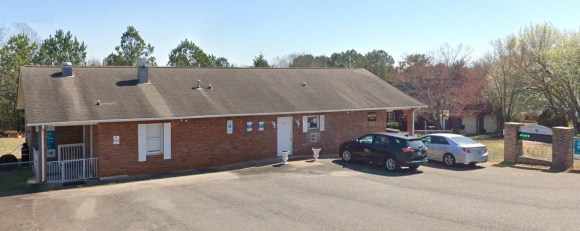
In 2019, the Cleveland County Sheriff’s Department opened a satellite office in Kingstown.

The ribbon cutting ceremony of the new satellite office of the Cleveland County Sheriff’s Department. Photo from the town Facebook page, March 3, 2019.
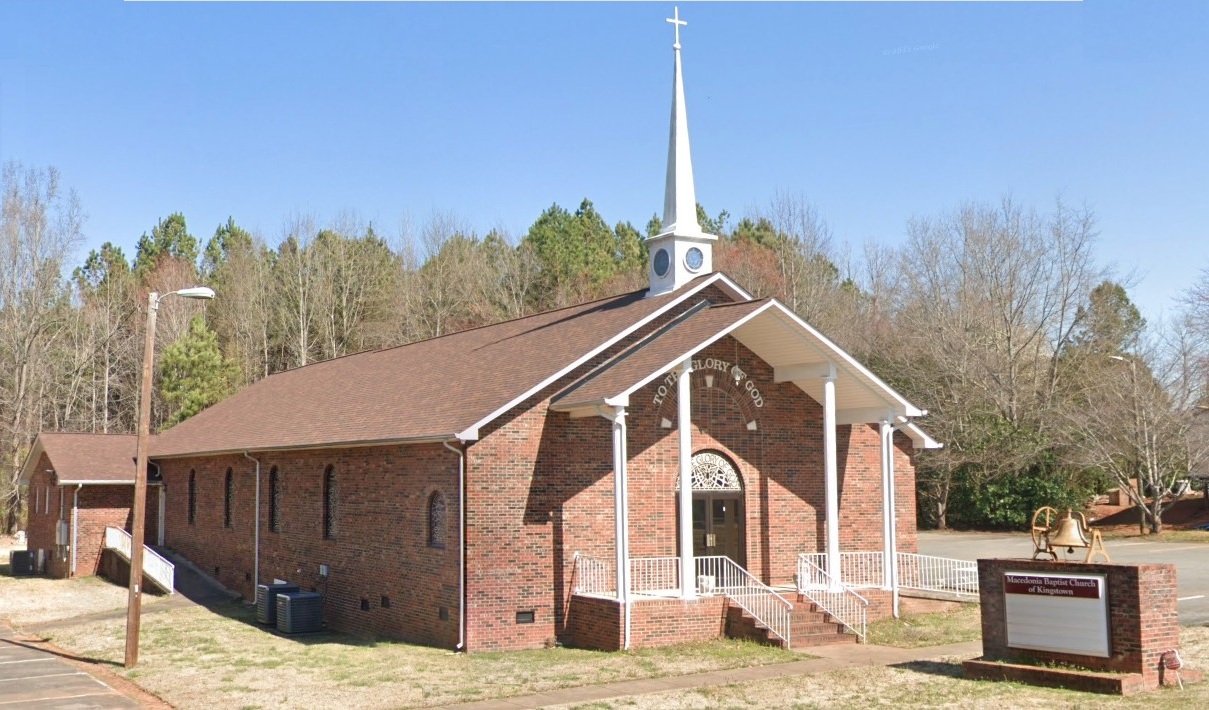
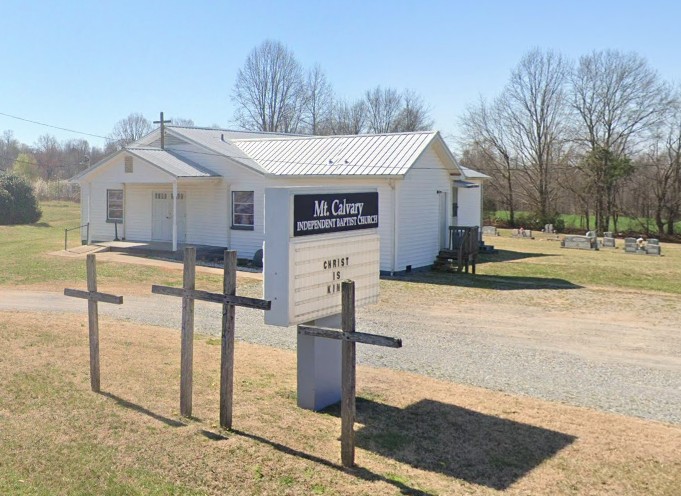
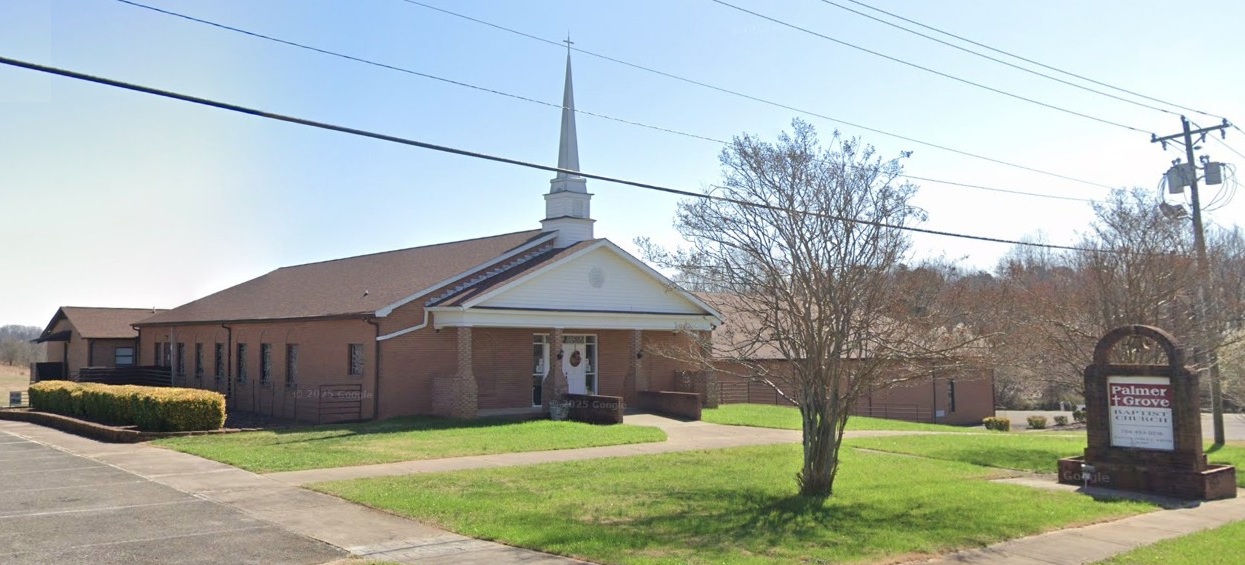
Scenes of Kingstown
Additional Information on Kingstown, NC
Kingstown, NC Facebook page
Kingstown, NC Wikipedia entry
Shelby Star article

Polkville

Polkville had its beginnings all the way back to 1787 when Mt. Harmony Methodist Church was established. It did not have a post office until 1847; it was named after President James K. Polk. At some point in the 1870s the name was changed to “Johnson.” It was changed back to Polkville in 1879.

In the late 1880s, Polkville resident Jake Eaker founded and operated Cleveland County’s first telephone exchange. Also in the 1880s, the first school was established. Known as “Elliott’s School,” it was operated by local Methodists.

The town’s most famous native son was Hatcher Hughes. The son of Andrew Jackson and Martha Gold Hughes, Hatcher became a professor of English and playwriting at Columbia University in New York. Hatcher Hughes won the Pulitzer Prize in 1924 for his play, “Hellbent fer Heaven.”

Blind from birth, Joseph William “Joe Bill” Harris was famous for his ability to recane chairs. According to an interview by Linda Cabaniss with The Shelby Star, Joe Bill had recaned chairs for people as far away as Berlin, Germany and San Diego, California. (Star article was published Aug. 31, 1984.)

Architect Fred Simmons had a short, dirt airstrip on his property located across from Union Baptist Church. In 1979, the strip was home to Carolina Sky Dive, a skydiving school run by Art Patterson. Shelby Daily Star journalist, Joe DePriest wrote an extensive piece about Patterson, which brought a lot of attention to the school.

Patterson hired Bill Secker, a recently retired air force major, to pilot a Cessna 210 modified for parachutists.

Patterson and his students were in good hands with Secker. A career USAF combat fighter pilot, he had flown the F100, F105, and the F111. During the Vietnam Conflict he was awarded the Distinguished Flying Cross, the Air Metal with 11th Oak Leaf Clusters, the Air Force Commendation Metal, among many other accolades.  

Several Cleveland Countians jumped out of a perfectly good airplane during the school’s short-lived time in Polkville–Carla Beam, Allen Davis, Paula Dedmon, Roy Dyer, Carl Greene, Ron Ivie, Dennis Riley, and Steve Vaughn, to name a few. Carl Greene also served as jumpmaster, due to his skydiving experience during his time in the Air Force. Steve Vaughn made his first jump with Patterson and went on to make a side career of teaching others at Skydive Carolina in Chester, SC. Vaughn completed thousands of jumps over the next few decades.

Additional Information on Polkville, NC
Polkville, NC Wikipedia entry
David Floyd’s vintage video of people arriving at Polkville Methodist Church on an Easter Sunday in the 1950s.