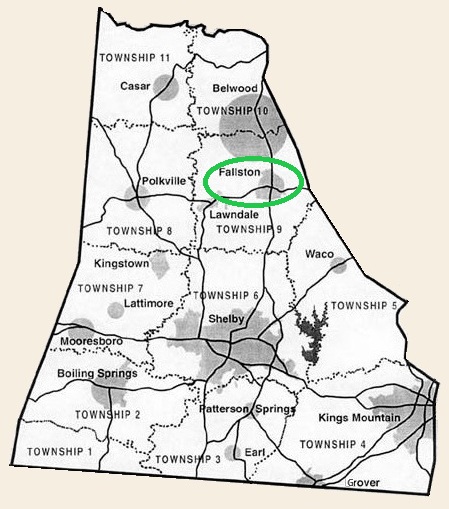
Fallston
Early in Cleveland County’s history, there was a stagecoach stop called “Kitchen Corner” at the intersection of the Lincolnton-Rutherfordton road and the Burke County-South Carolina road. This was the beginning of the town that would be called Fallston.
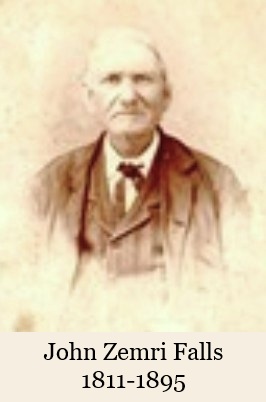
John Zemri Falls was the town’s namesake. He built the first corn mill, first saw mill, and first store.
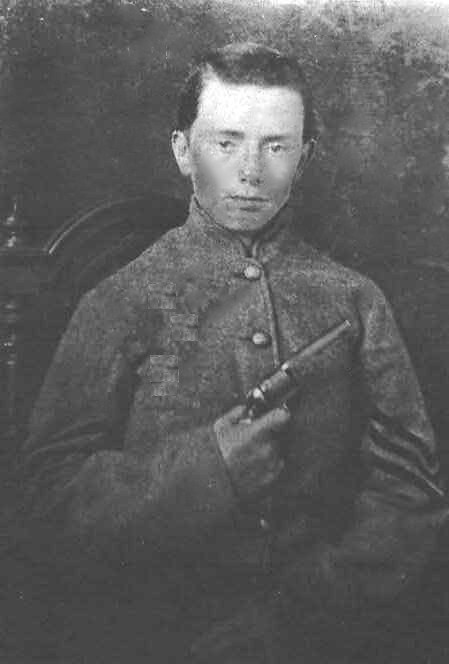
Thomas Dixon Falls was the son of John Zemri and Elizabeth Carpenter Bingham Falls. Known as T. D. Falls, he served the Confederate Army at the Battle of Gettysburg where he earned the distinction of advancing the farthest in that battle. He was Fallston’s first mayor.
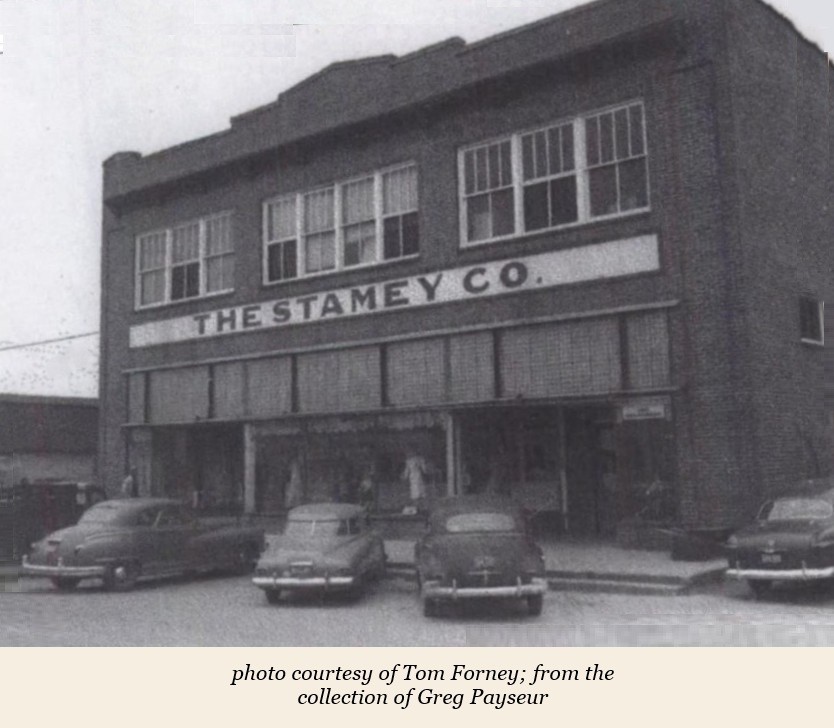
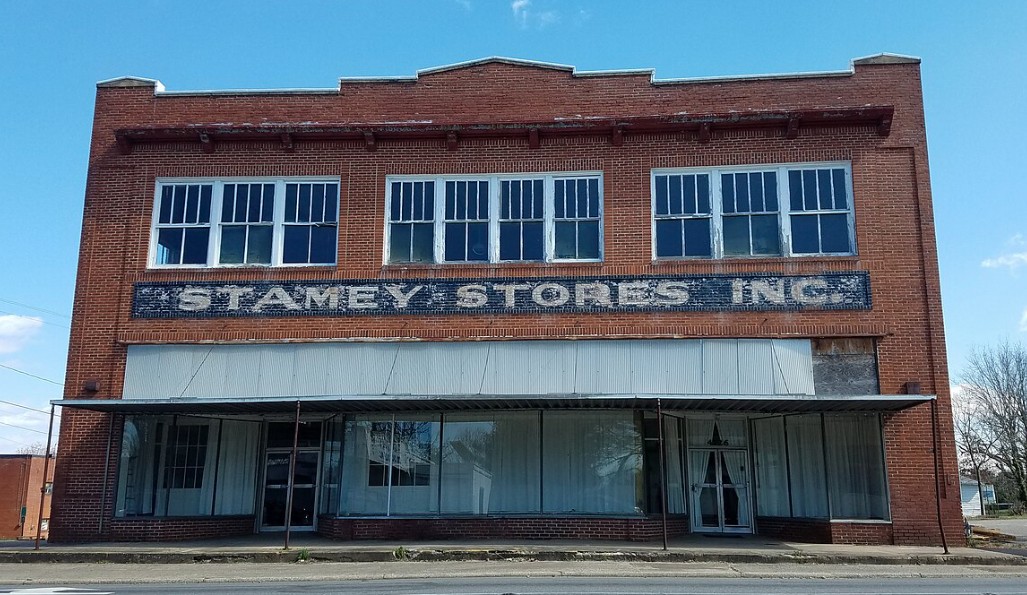
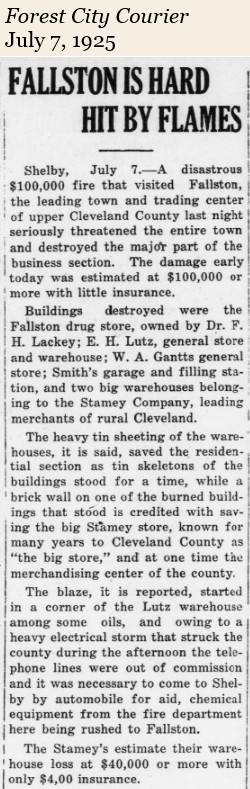
In 1890, brothers Thomas and Clarence Stamey began operating a store in Fallston. Over the years the store became so successful it attracted customers from all over the region. Their slogan became, “Everything needed from the cradle to the grave.” Indeed–in the 1940s, the Stamey’s went from just selling caskets to operating a complete funeral home. The funeral home is now known as the Stamey-Tysinger Funeral Home.
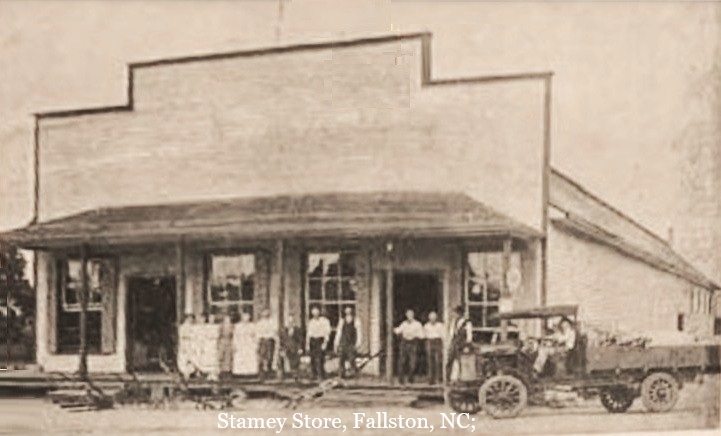
Scenes of Fallston
| Fallston |
| Former name: Kitchen Crossroads |
| Namesake: John Zemri Falls |
| Year incorporated: 1893, lapsed, 1971 1st Mayor: Thomas D. Falls |
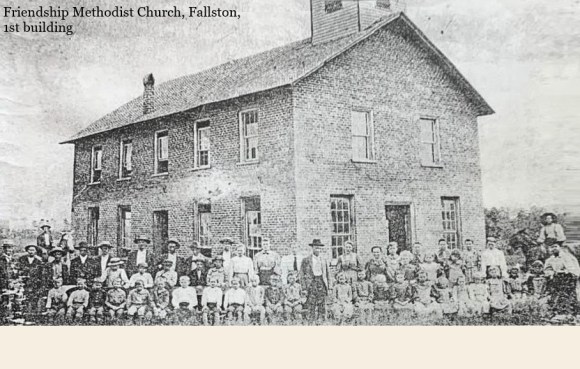
| 1st church: Friendship Methodist Church, organized about 1840 |
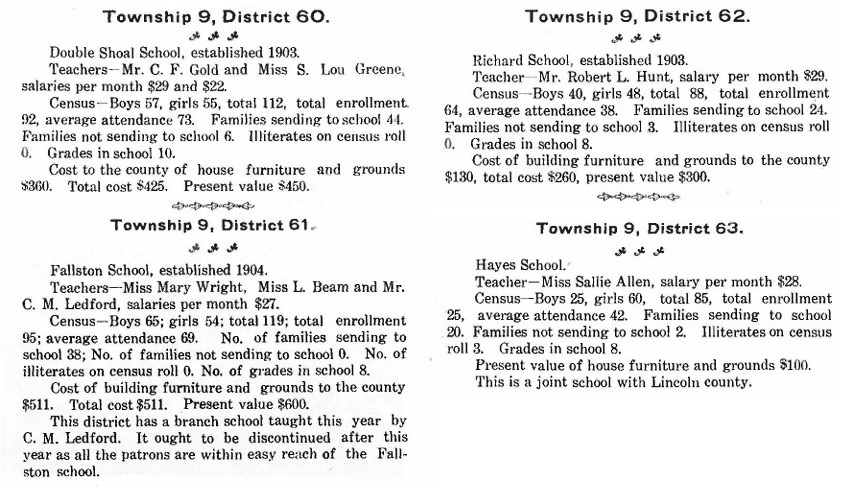
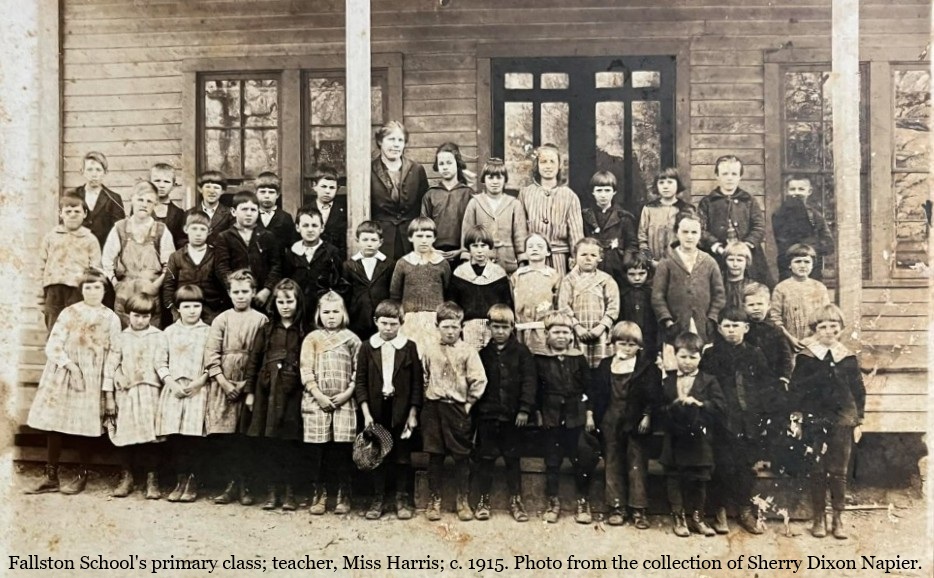
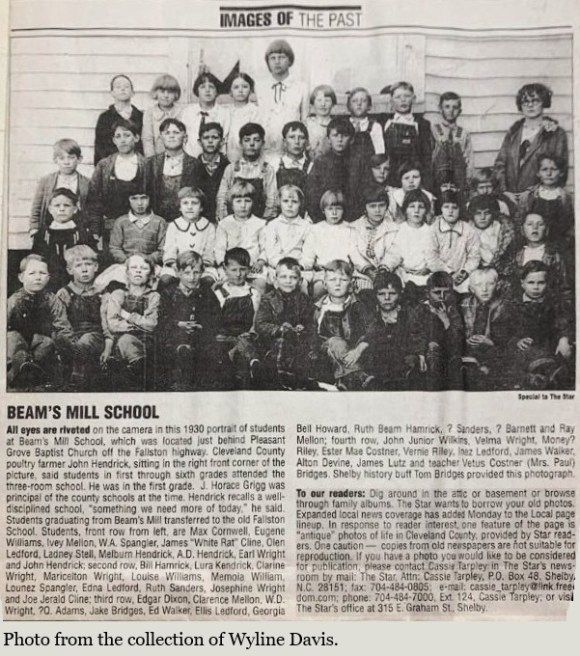
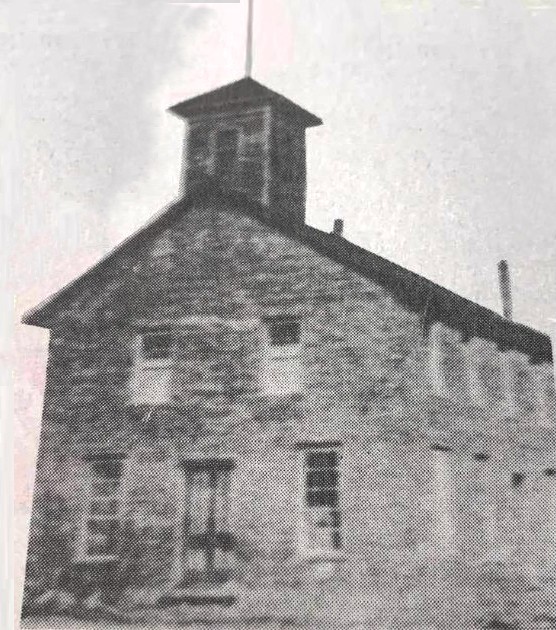
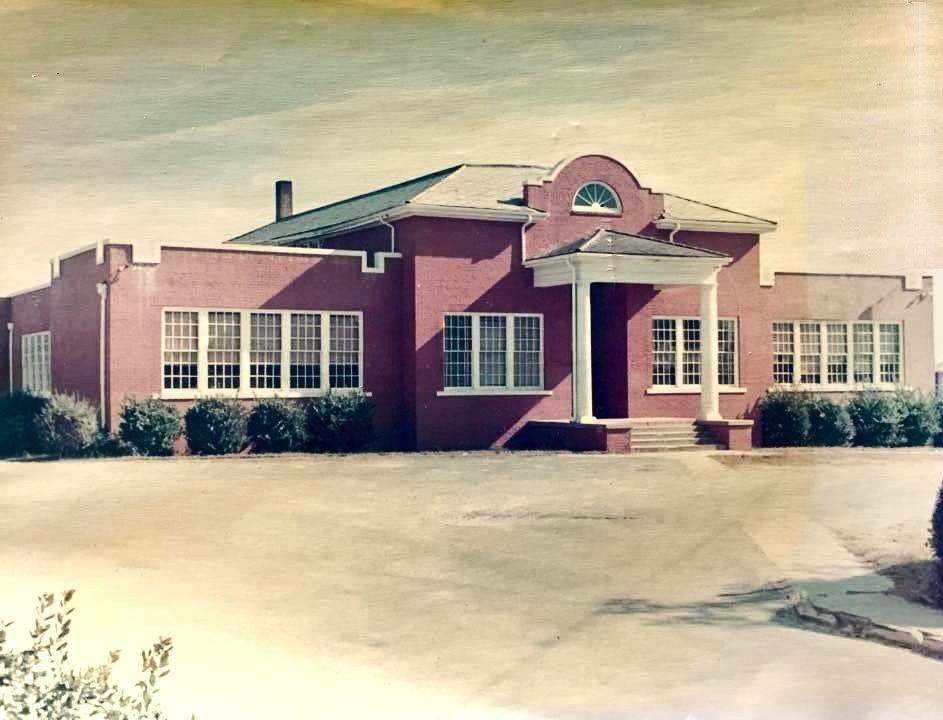
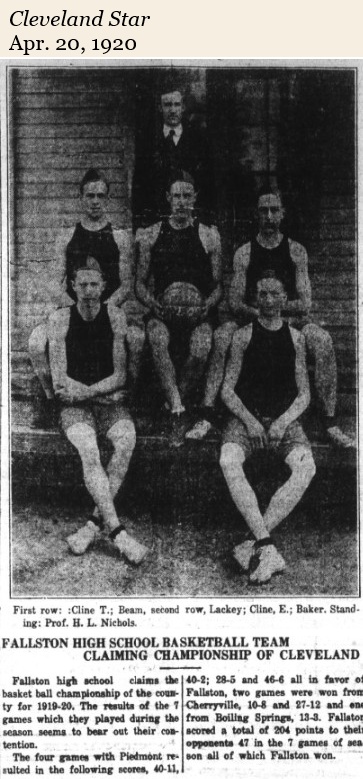
| Schools: Fallston School, District No. 45 School |
| Early businesses: John Falls’ store, Stamey’s Store |
| Early families: Falls, Lackey, Stamey, Wellmon |
| Famous people: Kays Gary |
| Additional Information on Fallston |
| Town of Fallston Facebook page |
| Fallston, NC Wikipedia entry |
| National Register of Historic Places Registration Form, Stamey Building |
Lawndale
Before 1873, the area that is now Lawndale was only a stagecoach stop and farms. The area became a community with the construction of a textile mill by Henry Franklin Schenck. “Schenck’s Factory” was Cleveland Mills, located on Knob’s Creek just above where it flowed into the First Broad River. Major Schenck, as he was known, also built houses for his employees. The mill village became known as Cleveland Mills.

In 1888, Major Schenck built a second mill about a mile south of the Knob Creek mill. This one was built along the First Broad River. Soon he built more houses for his employees. These homes had green, sloping lawns and that is the origin of the town’s name, “Lawndale.”

Henry Franklin Schenck was the grandson of Michael Schenck who built the first cotton mill in the state of North Carolina. Henry served in the Confederate Army attaining the rank of Major. He and his family were major contributors to the development and growth of Lawndale.
After operating two mills for a time, Maj. Schenck enlisted his son John Franklin Schenck, who had become an attorney. John Schenck left his practice in Durham, NC and returned home to assist his father with his businesses. Together the father and son duo were instrumental in bringing telephone service into Lawndale and also the railroad that ran between Lawndale and Shelby.


Quincy Hague Metcalfe supervised the building of the railroad and was its road foreman for its entire existence. Mr. Metcalfe also had a service station that became Metcalfe Station and is now a museum dedicated to the history of the Lawndale “Dummy.”


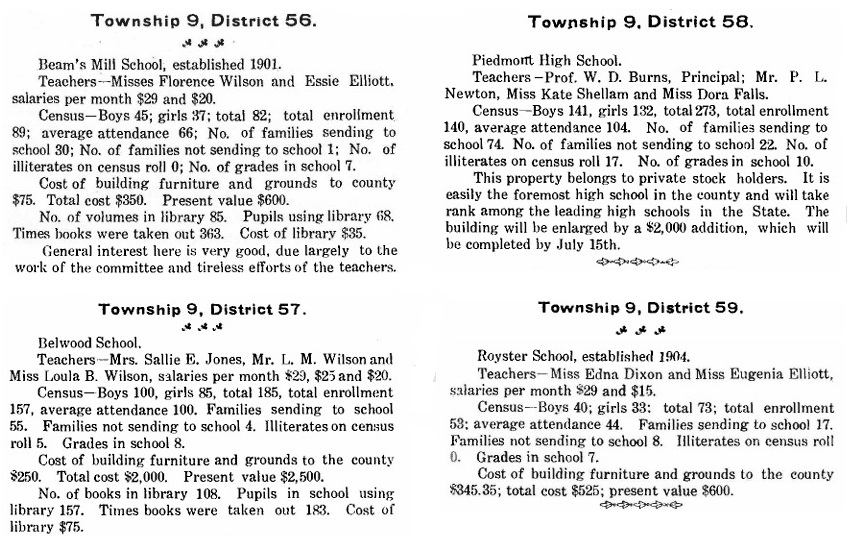
In 1897, Major Schenck, his daughter Minnie Schenck Ramsaur and son-in-law Thomas J. Ramsaur were also instrumental in the building of the first Piedmont High School in the Cleveland Mills community north of Lawndale. As it was a boarding school, students from many parts of the state chose Piedmont for their preparatory school.

The school’s first principal was W. Banks Dove. He was principal there for only a couple of years.
William D. Burns was the next principal. Under his leadership, Piedmont High School flourished and became the jewel in the crown of the entire county with a wide reaching, stellar reputation. Mr. Burns was principal for 35 years. Burns High School, built in the 1960s, was named for him.

Scenes of Lawndale

| Lawndale |
| Former names: Cleveland Mills Village (north side), Gardner’s Ford (Double Shoals) |
| Namesake: Schenck’s village of homes with “green, sloping lawns” |
| Year incorporated: 1903 1st Mayor: John F. Schenck |
| 1st church: New Bethel Baptist Church, organized about 1847 |
| Schools: Piedmont School |
| Early businesses: stagecoach stop/tavern, Double Shoals Cotton Mill, Cleveland Mills, Pearl Flour Mill |
| Early families: Elam, Forney, Gardner, Hord, Newton, Ramseur, Schenck, Whisnant |
| Famous people: Alicia Bridges, disco singer/songwriter |
Waco
The area that is now Waco was settled in the early 1840s when it was still part of Lincoln County. Its first church was established as Capernaum Baptist Church in 1842–the first church to be established in the newly formed Cleveland County–in a location about three miles from the main road.
About 1865, the railroad was extended from Cherryville into the area. At that time the area was known as Ramsey’s Crossing after Joe Ramsey, a well known farmer there.
By 1879, a group of people promoted the establishment of a post office. George Washington Kendrick had just returned from a trip to Waco, Texas and put forth the name “Waco;” incorporation of the town followed in 1880.
Near the church there was a small school as well as the Muddy Fork Academy. Also nearby was the Mauney Mill and the Kendrick brickmaking business. Four miles west was the Buffalo Paper Mill.
In 1886, the congregation at Capernaum voted to move to a new location closer to the railroad tracks. The new church would be called Waco Baptist Church.
The town’s first doctor was Dr. Noah Goode. It was Dr. Goode who built the town’s first bridge. Dr. Goode and his wife Elizabeth Jane Roberts Goode had 13 children, four of whom became medical doctors.


Wade Hill Moss was another of Waco’s town leaders. He was a farmer, school teacher, and magistrate and served on the Cleveland County Executive Committee.
Photo shared on Ancestry.com by L.G. Moss.
Scenes of Waco
Waco News
| Waco |
| Former name: Ramsey’s Crossing, after local farmer Joe Ramsey |
| Namesake: Waco, TX after resident George W. Kendrick visited there |
| Year incorporated: 1880 1st Mayor: A. J. Beam |
| 1st church: Capernaum Baptist Church, organized in 1842; became Waco Baptist Church |
| Schools: Capernaum School, Muddy Fork Academy, Waco Academy, Waco School, Waco High School |
| Early businesses: Mauney Saw Mill & Cotton Gin, Kendrick Brickmaking, Spargo Roller Mill, a knitting mill, Buffalo Paper Mill nearby |
| Early families: Barrett, Carpenter, Hord, Kendrick, Miller, Putnam, Whitworth |
| Famous people: Heavyweight Boxing Champion, Floyd Patterson |

Floyd Patterson was born in Waco, NC in 1935. He won a gold medal in the 1952 Olympics before going pro. He went on to win the World Heavyweight Championship title in 1956 and 1960. Read more. . .
| Additional Information on Waco |
| Town of Waco, NC website |
| Town of Waco Facebook page |
| Waco, NC Wikipedia entry |