During the 19th century, Cleveland County residents likely took part in church-related gatherings like revivals and church socials, as well as community events and other social gatherings reflecting the rural and agricultural nature of the time. Work on farms was often done cooperatively, and these events provided opportunities for socializing and entertainment.
Entertainment also included storytelling and the sharing of local folklore and traditions, especially in the evenings around the fireplace. Children and adults alike may have played games like marbles, checkers, or simple sports like tag and hide-and-seek.
Local festivals and holidays, like Decoration Day (later known as Memorial Day), Independence Day, or harvest festivals, would have provided opportunities for gathering and entertainment. Cleveland County’s abundance of natural springs provided numerous areas for family outings and picnics.
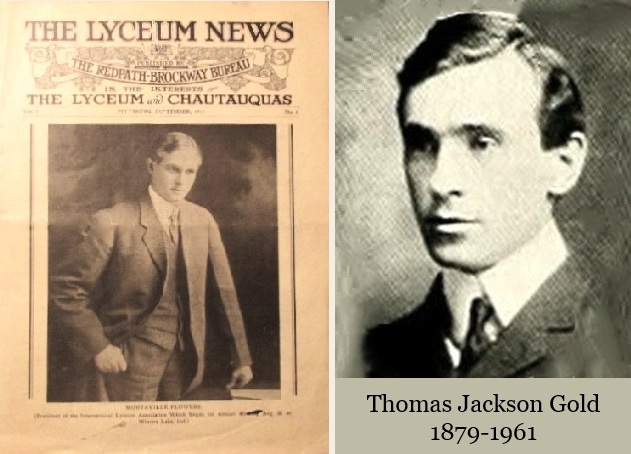
Literary societies or other groups might have held public readings or lectures on topics of interest to the community. An early example of these was the lyceum movement. Inspired by the classical lyceum, it was a loose collection of adult education programs that flourished in the mid-19th century through the early-20th century all around the United States. The movement featured lectures and debates, dramatic and musical performances, and lectures by noted lecturers, entertainers and readers to participating communities. They would travel the “lyceum circuit,” going from town to town, state to state. Their appearances were open to the public, which caused them to contribute significantly to the education of the adult American in the 19th century.
Thomas J. Gold was the local manager of the Shelby component of the Lyceum System.
While less frequent, traveling musicians, shows and theatrical troupes would have occasionally visited small towns, offering entertainment to a wider audience.
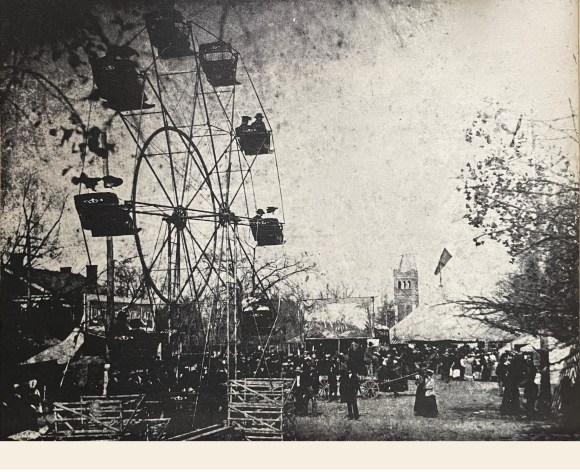
A traveling carnival stops in Shelby; 1903. The tower of the first Central Methodist Church can be seen in the distance. It was located on the NW corner of Marion and Washington Streets. 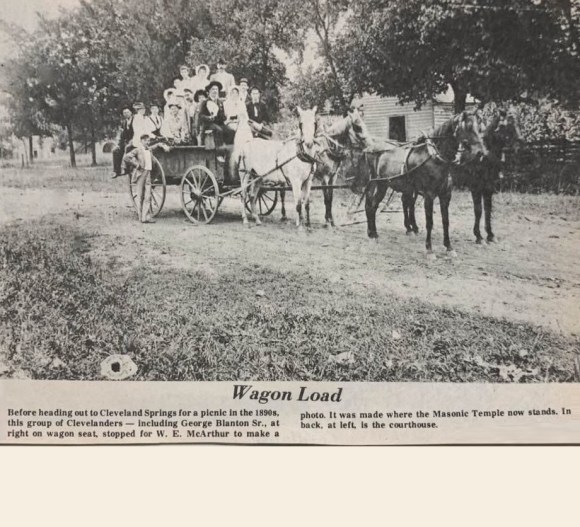
Headed to a picnic at Cleveland Springs; 1890s. Clipping from the collection of Greg Payseur. 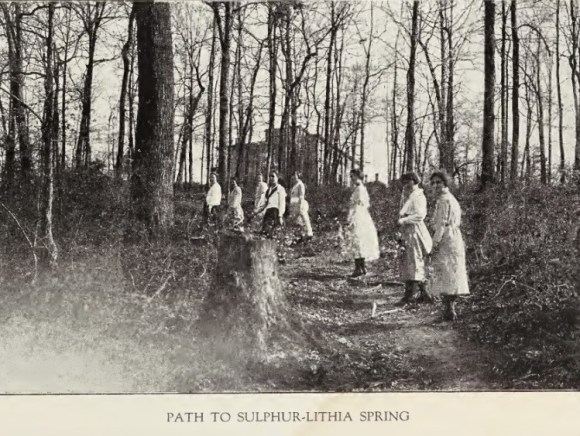
Going down to the sulfur spring behind Piedmont School in Lawndale; 1921.
The annual Cleveland County Fair started in 1924. This event was always met with great anticipation and lots of fun for the entire family. It continues today. Its history is here.

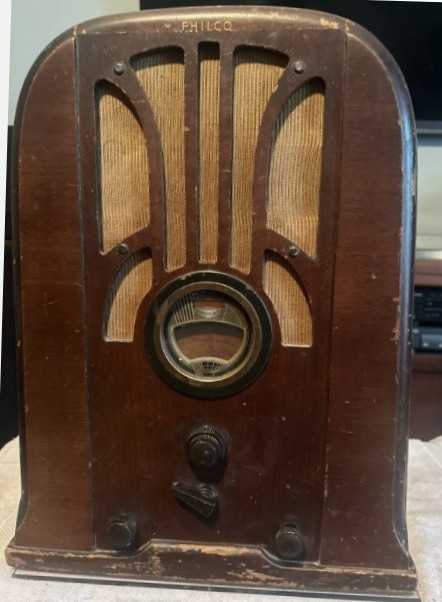
After the turn of the 20th century, advances were made in radio and film. By the mid-1930s, most households had a radio and evenings at home were spent gathered around the radio.
Movie Theaters
Cleveland County got its first movie theaters about 1913. The Princess Theater was first located on Lafayette Street just north of the Shelby Cafe. About 1917 Zeb and Enos Beam built a new Princess Theater south of the cafe. It became the Carolina Theater about 1941. The Carolina Theater closed in November of 1959 when the building was remodeled to become an F. W. Woolworth store. The house to its left, on the corner, would soon be torn down. In the 1940s and ’50s, that corner became home to The Wigwam, a pool hall and restaurant.
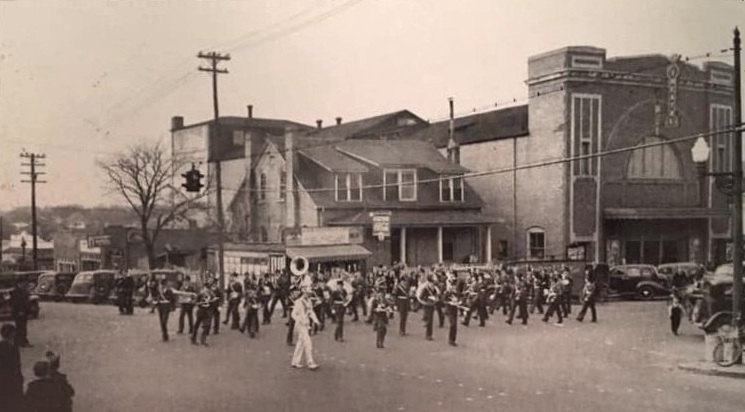
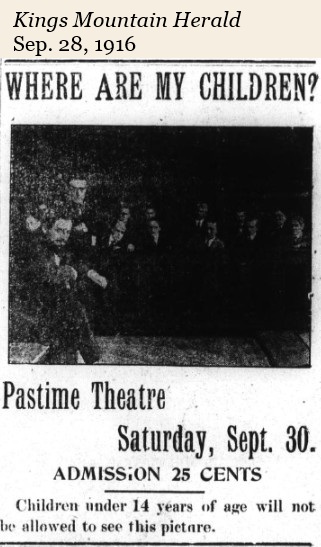
The Pastime Theatre opened in Kings Mountain about 1913 as well. It was mentioned in the Herald as early as January of 1914.
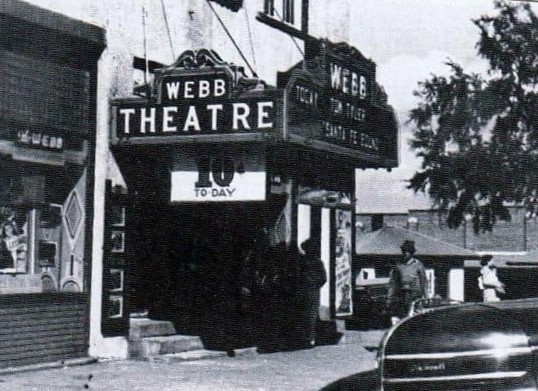
The Webb Theater moved into the old Central Methodist Church sometime after remodeling was complete in 1923. Hal Eugene “Pete” Webb was the manager for many years.
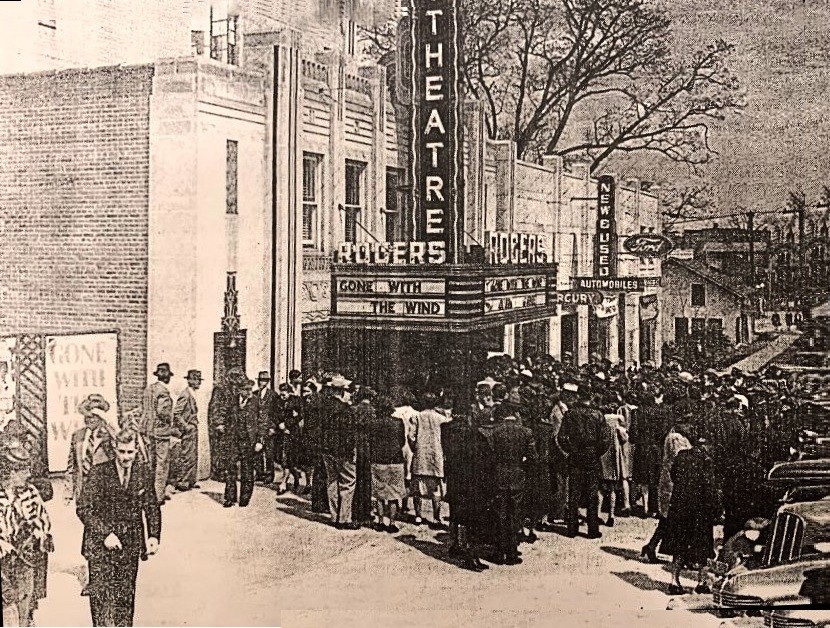
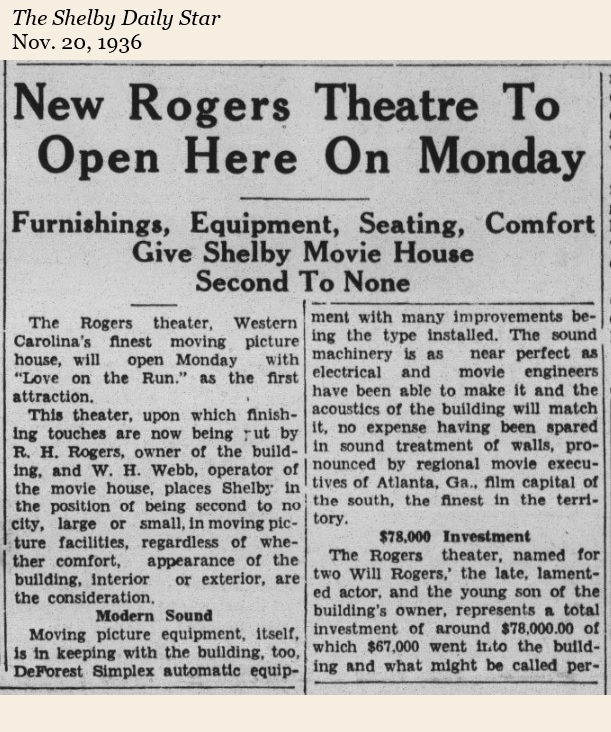
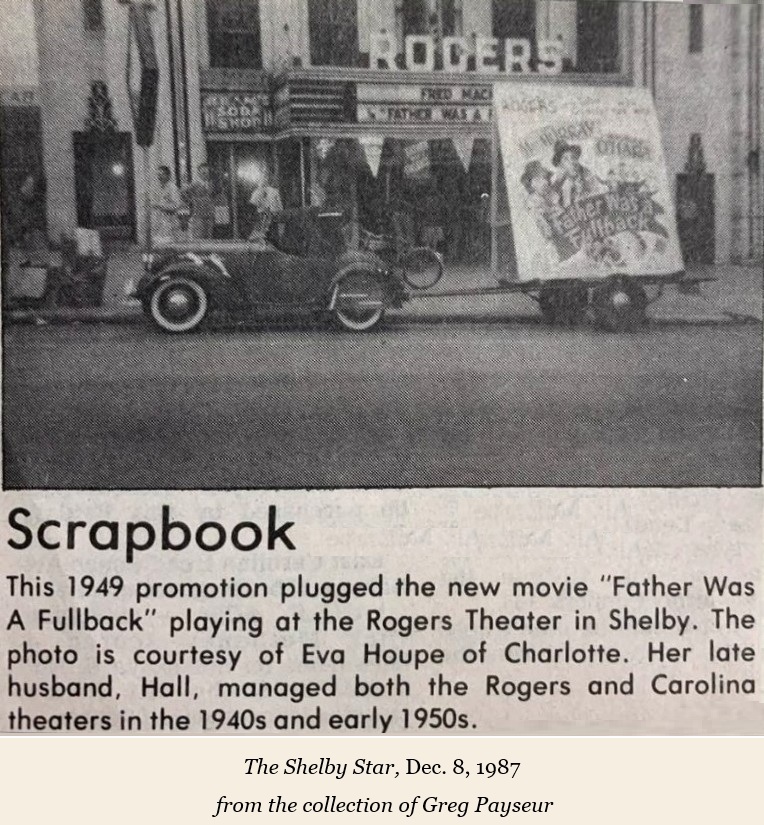
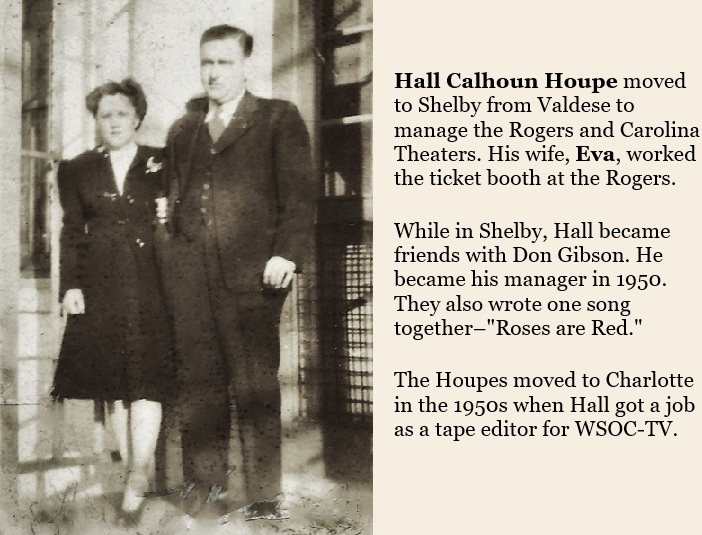
The Rogers Theater was built on East Marion Street in Shelby in 1936. It operated until its closure in 1985. It is currently awaiting a renovation and repurposing.

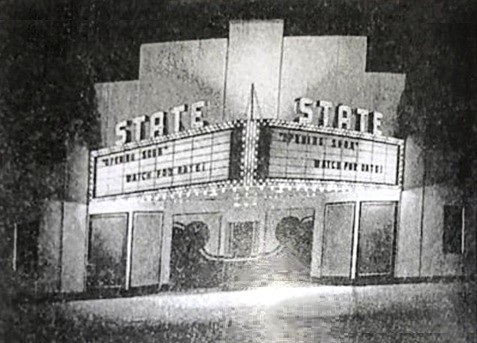
The State Theater was built on a ball field at 318 South Washington Street in Shelby and opened in October, 1939. It operated as The Flick in the 1980s. When it closed, the building became an antiques market. It sat empty for many years before it was renovated to become the Don Gibson Theater in 2009.
According to the Cleveland County Architectural Survey Update of Historic Resources from 1945 to 1975, the Washington Theater is a prominent historic landmark in Shelby’s African American community. According to present owner Carl Dockery Jr., the theater was built in 1948 or 1949 by two white businessmen, a Dr. Sherrill and a Mr. Baxter. Sherrill and Baxter used for the theater a surplus barrel-vaulted Quonset hut obtained from a dismantled World War II military facility. The entries are flanked by curved sections of modern brick and glass block that replace earlier finishes. The lobby features curved corners and an interior-illuminated sign over the ladies’ room door.
Later, theater operator Louis Dillingham used the theater for music performances (Dockery has heard that vocalist Etta James once performed there).
Despite the many changes to the entry area and other, smaller modern changes, the theater possesses good overall integrity. The building is potentially eligible under Criterion A in the black ethnic heritage, entertainment/recreation, and social history areas of significance.

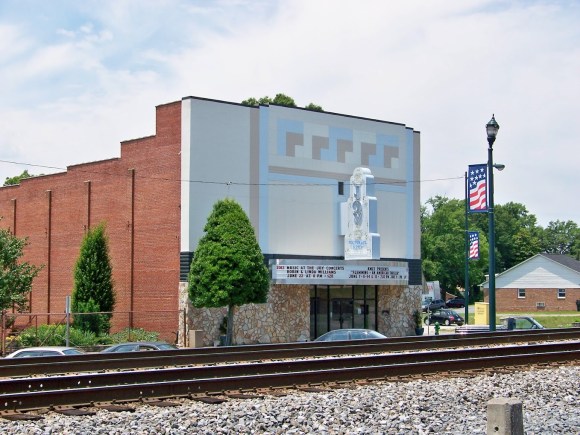
The Joy Theater in Kings Mountain opened in 1949. It is home to the Joy Performance Center now. Read more. . .
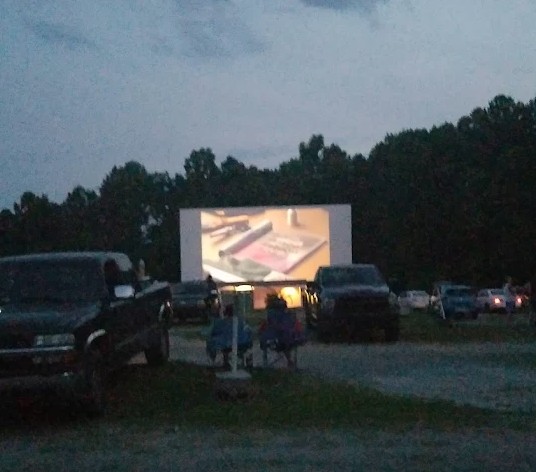
The Sunset Drive-In Theater opened in April of 1950.
Municipal Parks and Recreation Centers
In May 1947, the Shelby City Park project began with surveying, planning, and purchasing of property to build a Community Center as a memorial to those who served in World War II. The Parks and Recreation Department was supported exclusively by revenues from 420 parking meters in the City of Shelby.
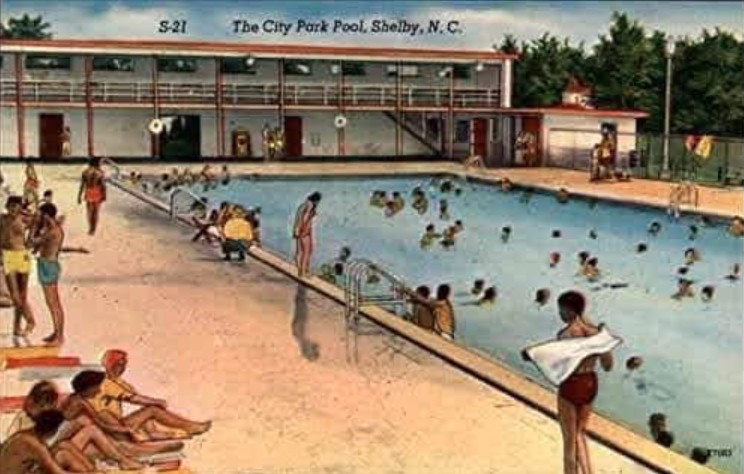
The city park included an Olympic-size swimming pool, a 12-foot-deep diving well, baseball fields, and a nine-hole golf course. Inside the center was a gymnasium and a small bowling alley.
There were also attractions for children such as a kiddy pool, playground, carrousel, and train.
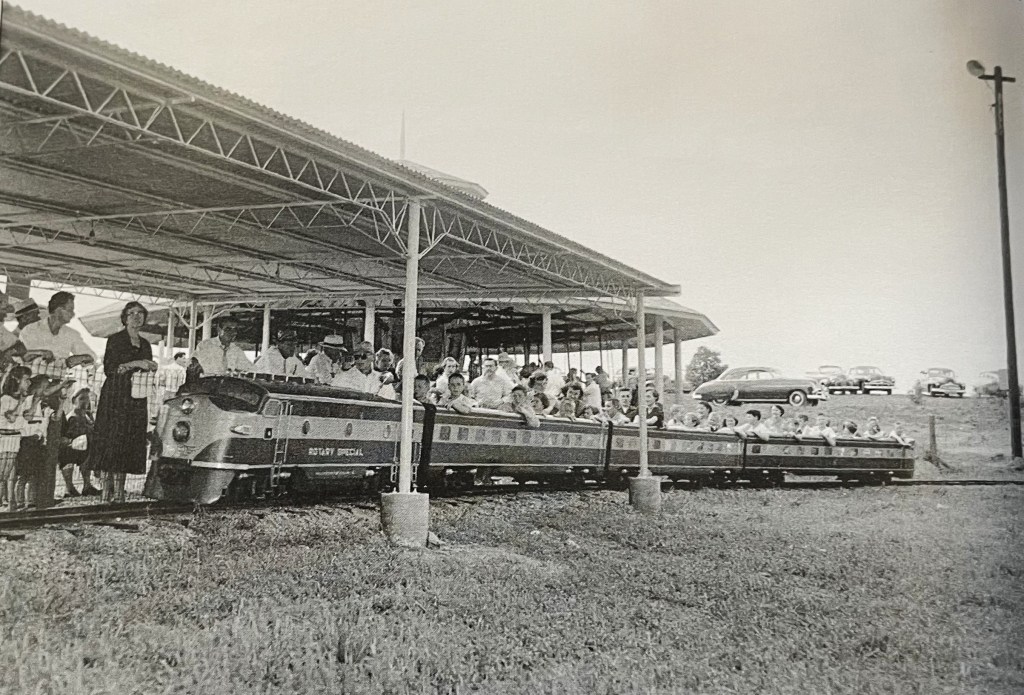
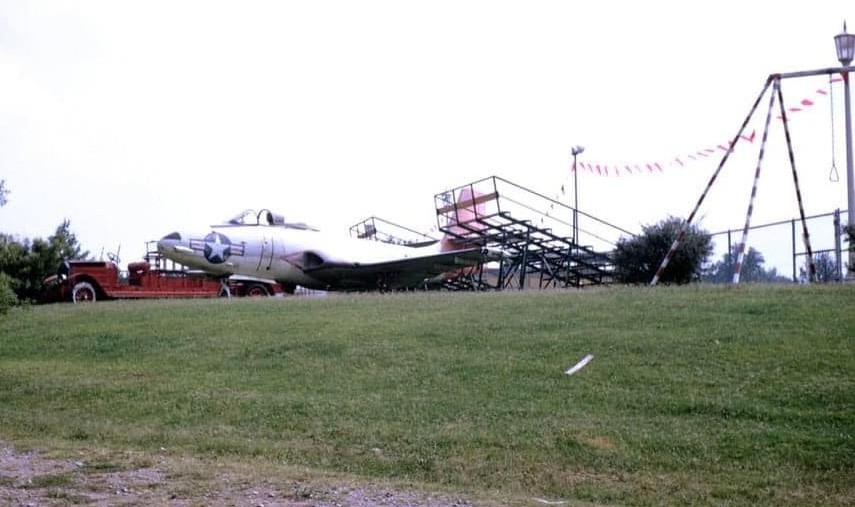
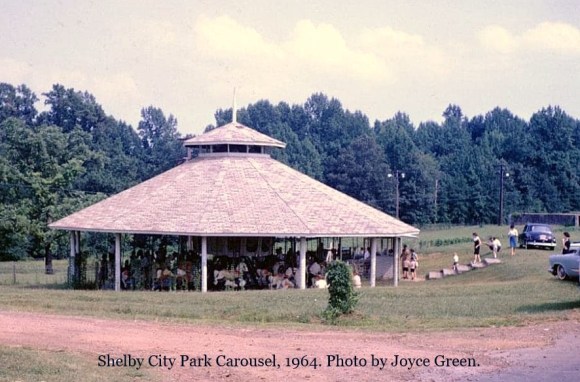

In 2004, the Royster family donated 55.25 acres to the park. That same year, the City Park Community Center underwent major renovations. The park was officially dedicated and re-opened the following year.
The current Anne Dover Bailey Carrousel Pavilion was built to house the carrousel in 2008.
In 1949 another park was established in Shelby. Serving the African American community in the era of segregation, the park was named Holly Oak Park. In 2019, the park was renamed to honor the park’s first administrator, Clarence Palmer. Forrest Toms spoke at the rededication ceremony: “Holly Oak Park was at the center of Black athletics and Black life in Cleveland County and even drew in people from surrounding cities including Charlotte.” Read more. . .

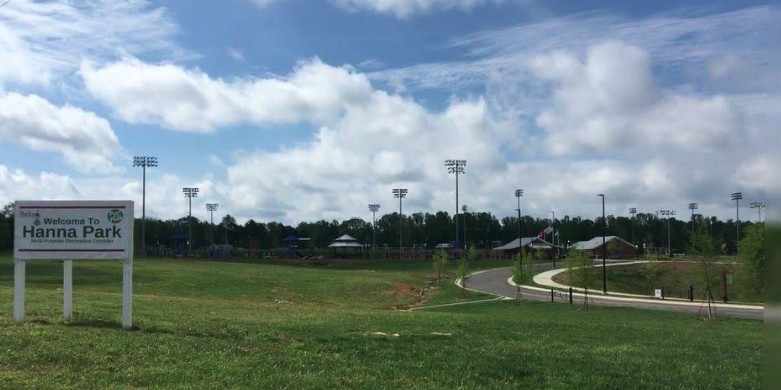
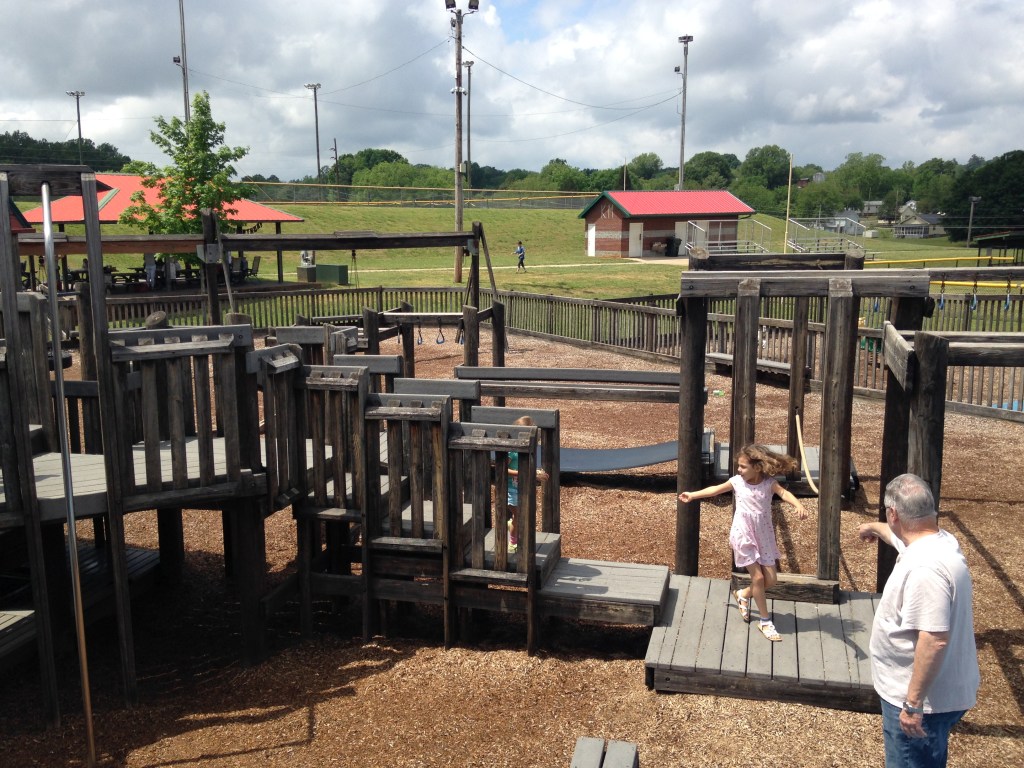
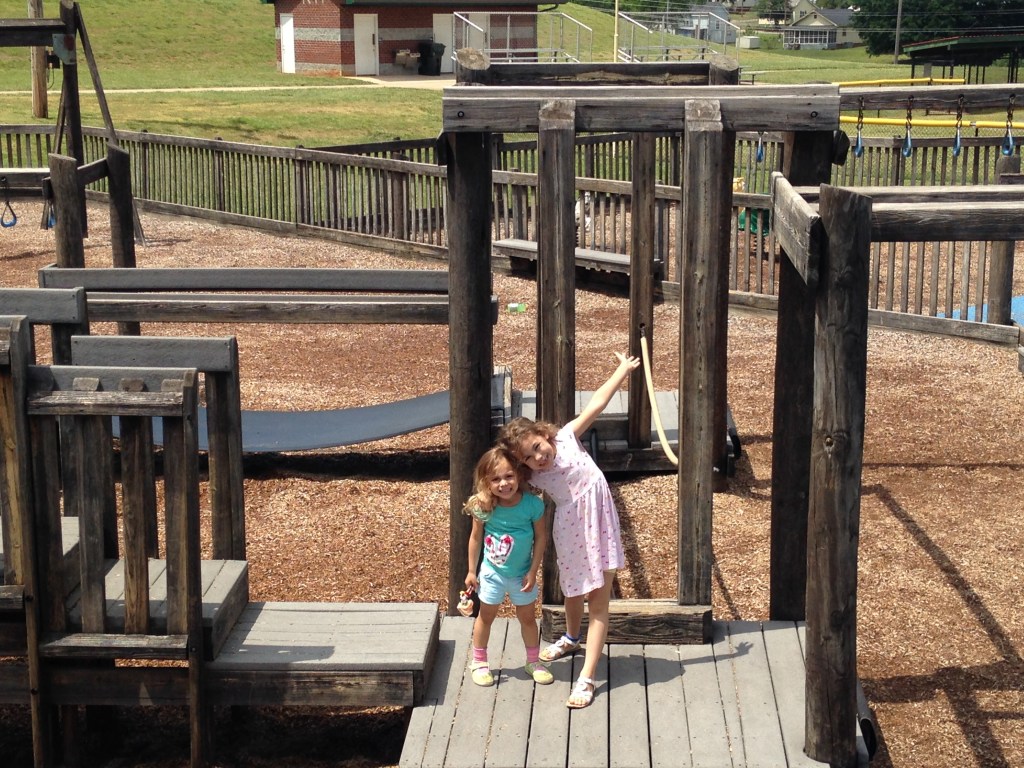
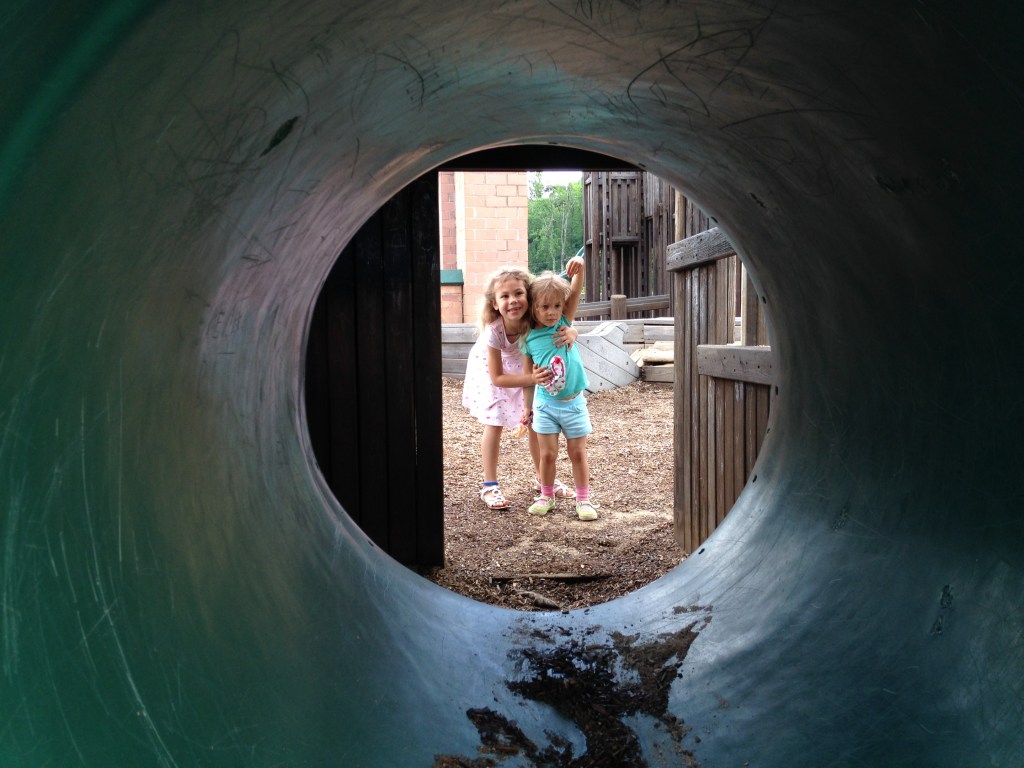
Hanna Park, located at 1655 McBrayer Springs Road in Shelby, opened in 2019. It is very kid-friendly and has several soccer fields and picnic shelters.
In Kings Mountain, the Jake Early Sports Complex has been in operation since 2001. The complex includes three softball fields, a fourth one that doubles as a soccer field, the Deal Park Walking Trail, and the Rick Murphey Children’s Park.

Privately Owned Recreational Venues
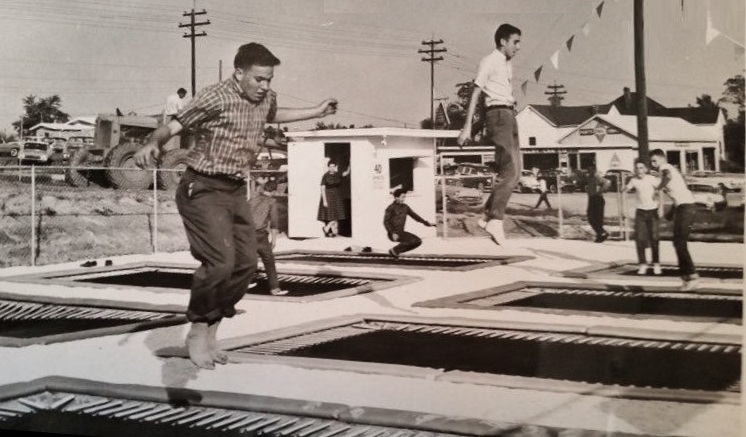
Olympic Bounce Land was located on S. Lafayette St. in Shelby. It was operated by Roby P. Combs in the 1950s. The trampolines were installed over pits; kids loved it. (Photos from the collection of Roger Jones.)

Joe’s Lake was a favorite swimming hole in the 1960s and ’70s. Operated by Joe Beam, it was located on the west side of what is now Caleb Road, Shelby. After retiring, Joe’s son, Wray Beam, took over for his dad. At some point the lake was either sold or renamed Buchanan’s Beach. This video was made by Chris Evans in 2008, long after the lake closed.
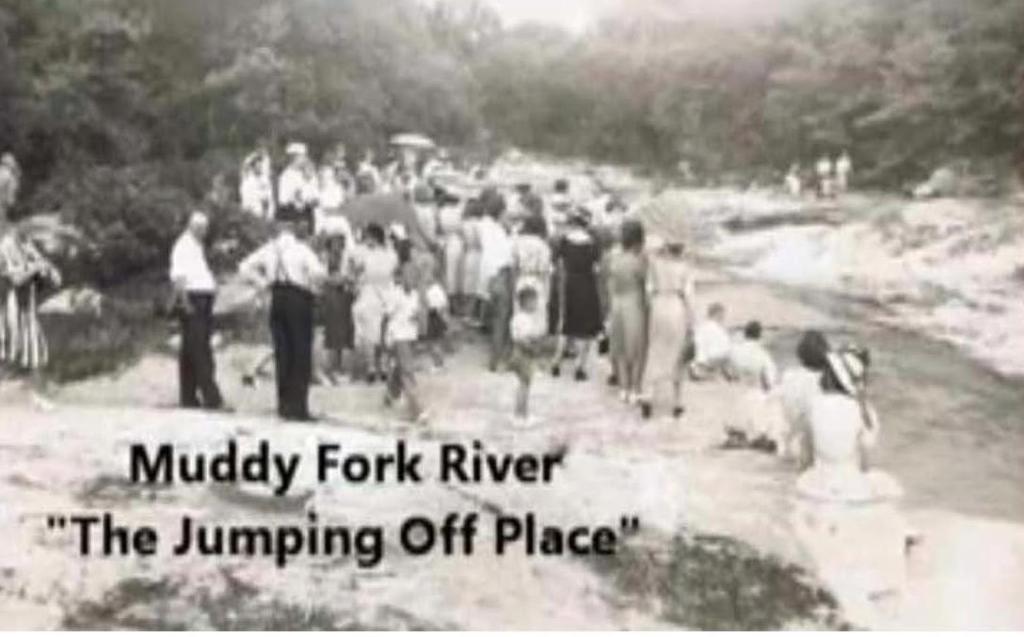
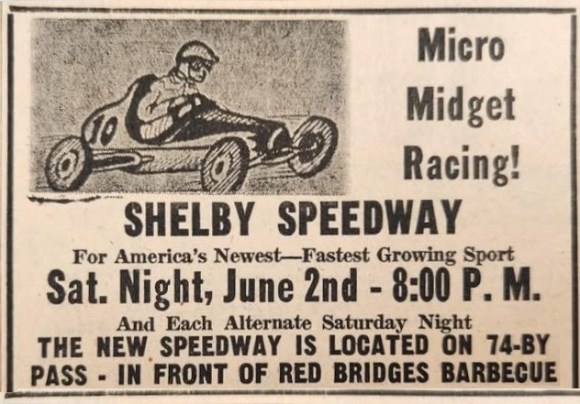
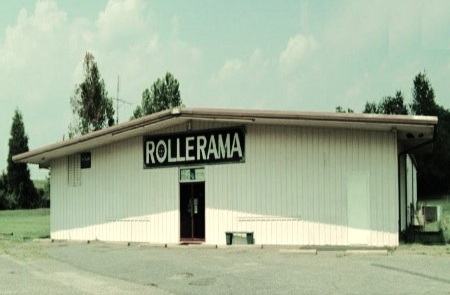
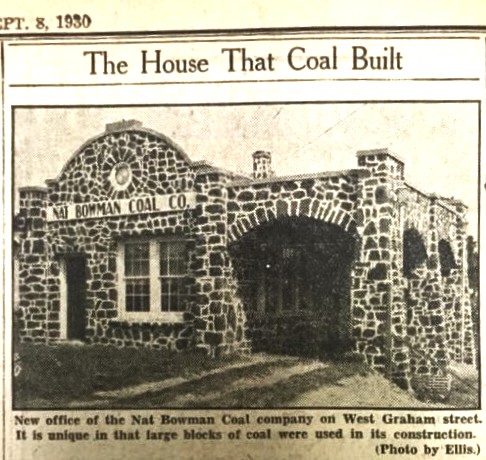
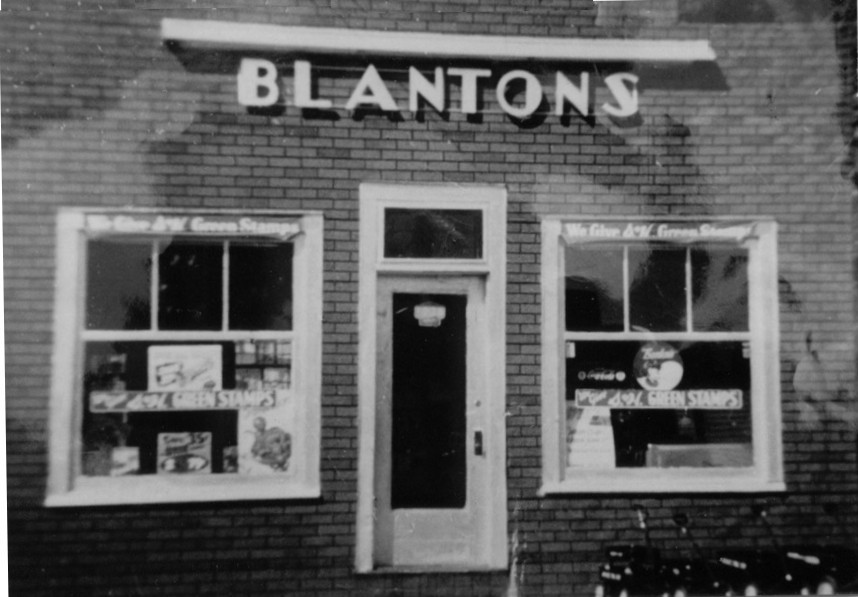
While not a recreation center per se, Cleveland County Baby Boomers were certainly entertained when visiting Blanton’s Candy and Toy Store on South Lafayette Street in Shelby. Another favorite was the Sears Store in Shelby which always had the best Santa during the Christmas season. Summers always required a visit to the old Blue Ridge Ice and Coal Company. They sold ice for making homemade ice cream, and usually sold ice-cold watermelons on hot summer days. Earl P. Mace operated Mace’s Pet Shop at 309 W. Graham Steet in Shelby. The building was unique in town because it was built of large blocks of coal.
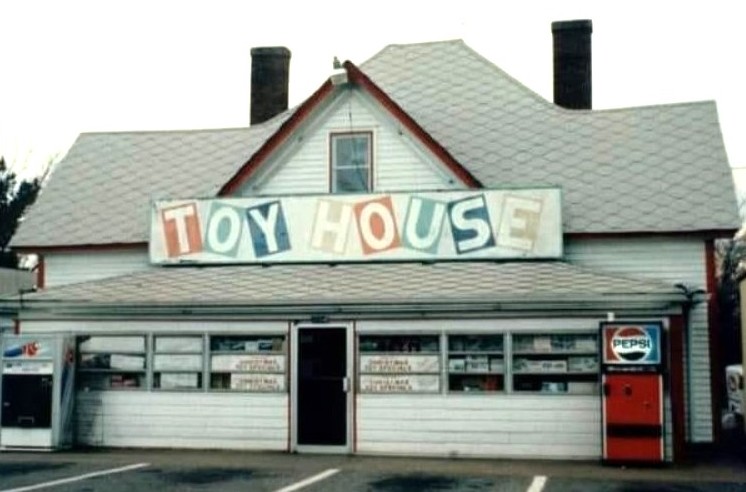
Each generation holds on to their high school memories as some of the best of times. The Greatest Generation and the Silent Generation of folks tell quite different stories from those of their Baby Boomer or Gen X children and grandchildren. The same will be said of Millennials, Gen Z and so on as time goes by.
These were the Shelby hangouts for Boomers. Not pictured are the destination dance clubs, like The Matador, Keg and Loin, and Sportsman’s Club in Gaffney, SC, the Rocking Palace near Bessemer City, and The Cellar on Morehead Street in Charlotte–after having a pizza at the Open Kitchen.

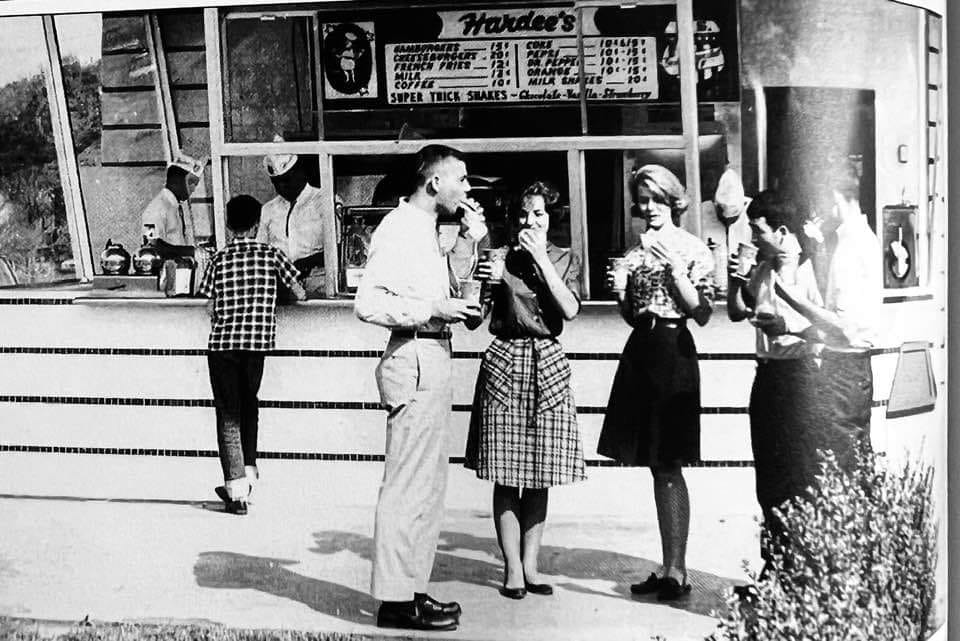
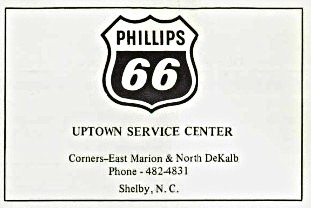
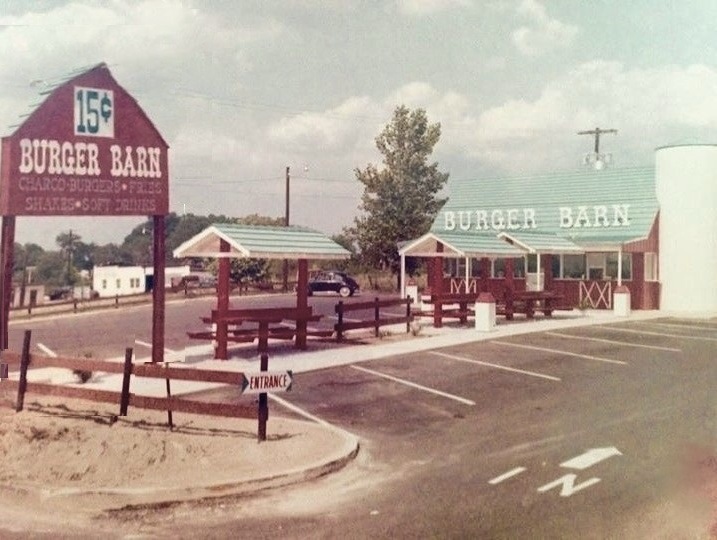
When the Baby Boomers started having their Gen X and Millenial children, fun favorites had evolved to places like Kate’s Skating Rink, hanging out at the Cleveland Mall, and playing Putt-Putt there.
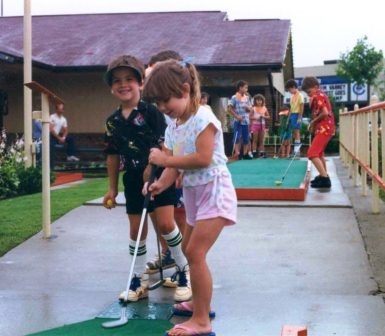
In the 1990s, two fun places for kids were operated by Amy Humphries and Marilyn Phillips. Fun Jungle operated in the old Sears Building at 121 W. Warren Street in Shelby; the other was Play Palace which was located in the old Sky City Shopping Center to the right of the current Ollie’s store.
Cleveland County has been home to numerous music venues as well. Their histories are here.
 Cleveland County History