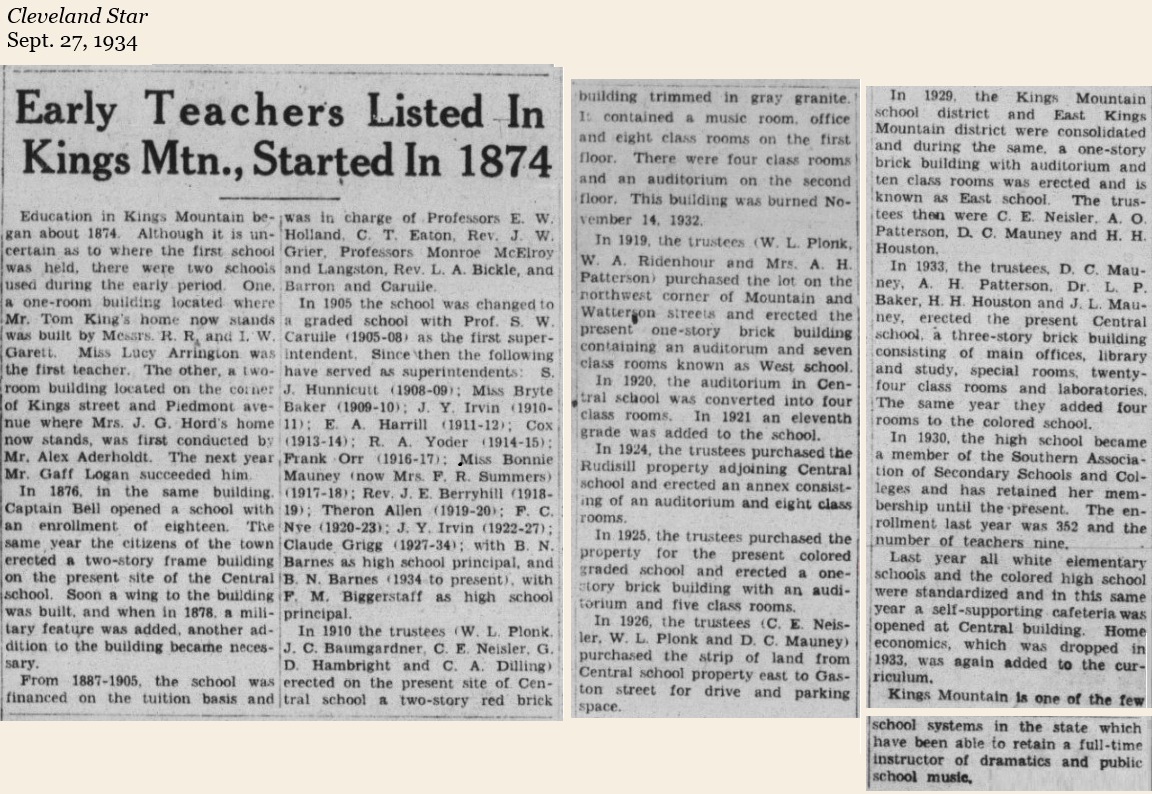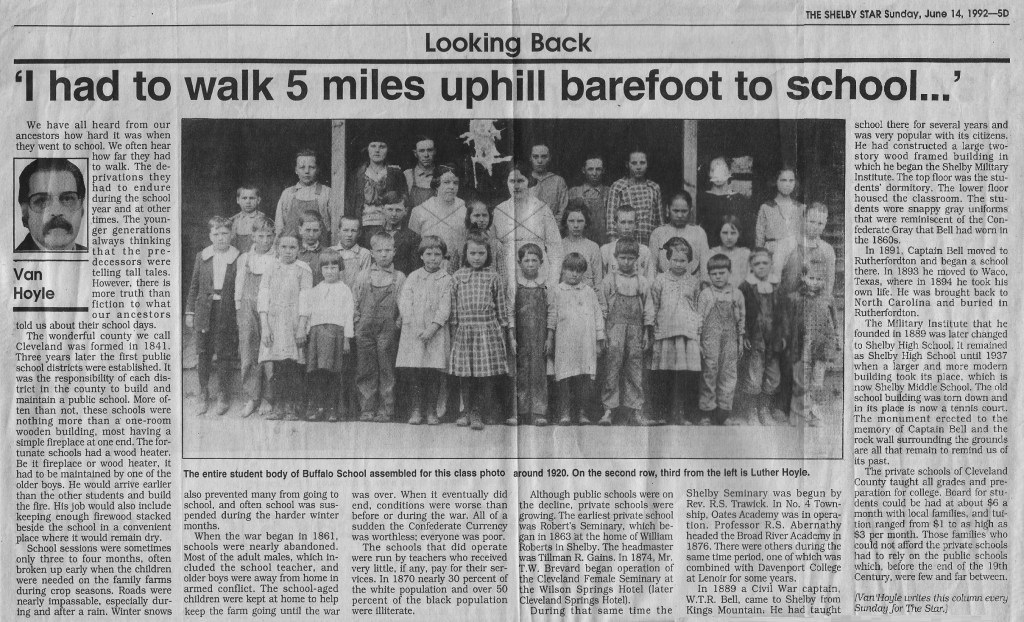
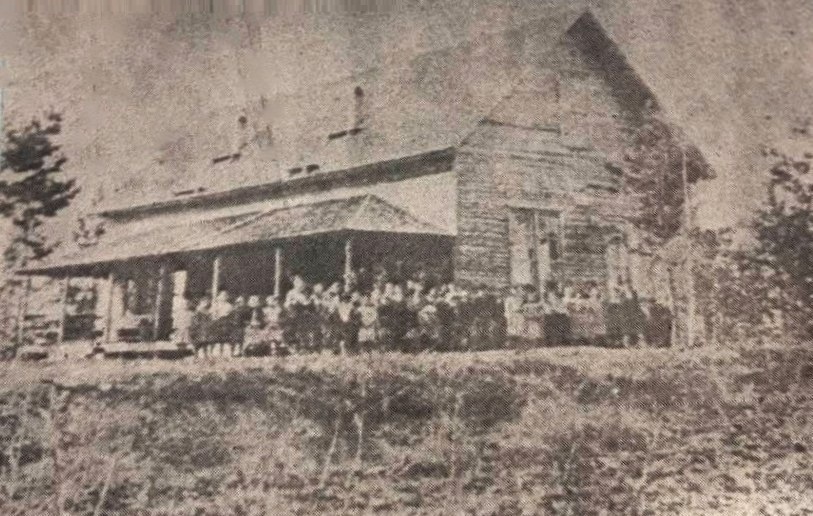
Everyone has heard their grandparents’ version of the trials and tribulations of “back in my day, _________!” Apparently it is true when it comes to the hardships involved in just trying to get an education “back in the day.” The late Van Hoyle, a local historian, wrote the article above for The Shelby Star in 1992. In it he details the rugged conditions that accompanied one-room schoolhouses. The student mentioned in the caption of the photo, Luther Hoyle, was Van Hoyle’s uncle.
Prior to the late 1800s, one teacher taught children in grades one through eight in the same room. According to Dorothy Hoyle, who graduated from Piedmont High School in 1944, children did not have to wait until they were six years old to start school. Many started at age five and ended their formal education after 8th grade.

For those students with the means and desire, the “academy” was an option for additional education. These academies were analogous to high schools. They were private institutions; some associated with a church, some with military training. In 1907, the North Carolina General Assembly established public high schools, but it was not until 1942 that 12th grade was added as a requirement for a high school diploma. That requirement was instituted during the administration of Waco, NC native, Dr. Clyde A. Erwin who was NC Superintendent of Public Schools at the time. Dr. Erwin served in that capacity from 1934 to 1952. According to Waco historian, John E. Barrett, “On his watch the state textbook rental plan was established, free textbooks were provided for grades 1 through 7, and the twelfth grade was added. In addition the state supported school term was extended to nine months, the compulsory school attendance age was extended from 14 to 16, and the first state bond funds for public school construction were made available.“
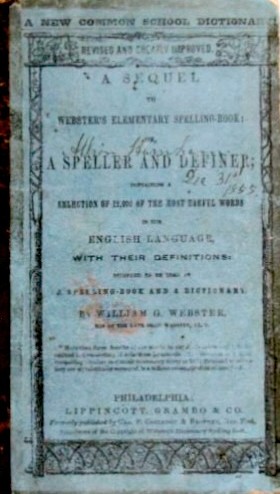
Commonly referred to as the “blue-backed speller,” Noah Webster’s spelling book was used for over 100 years in schools all over the country beginning in 1783. It went through 385 editions in Webster’s lifetime.

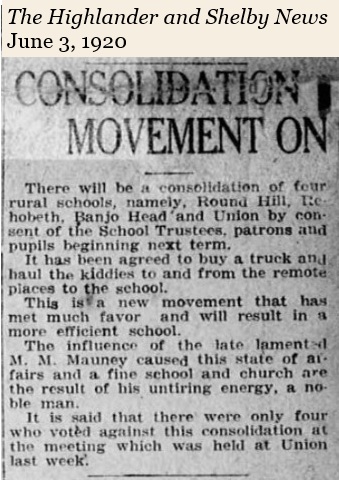
Soon after World War I, school consolidation began trending throughout North Carolina as a means of improving the quality of rural public schools. Numerous small rural schools began to close and merge together, including here in Cleveland County.
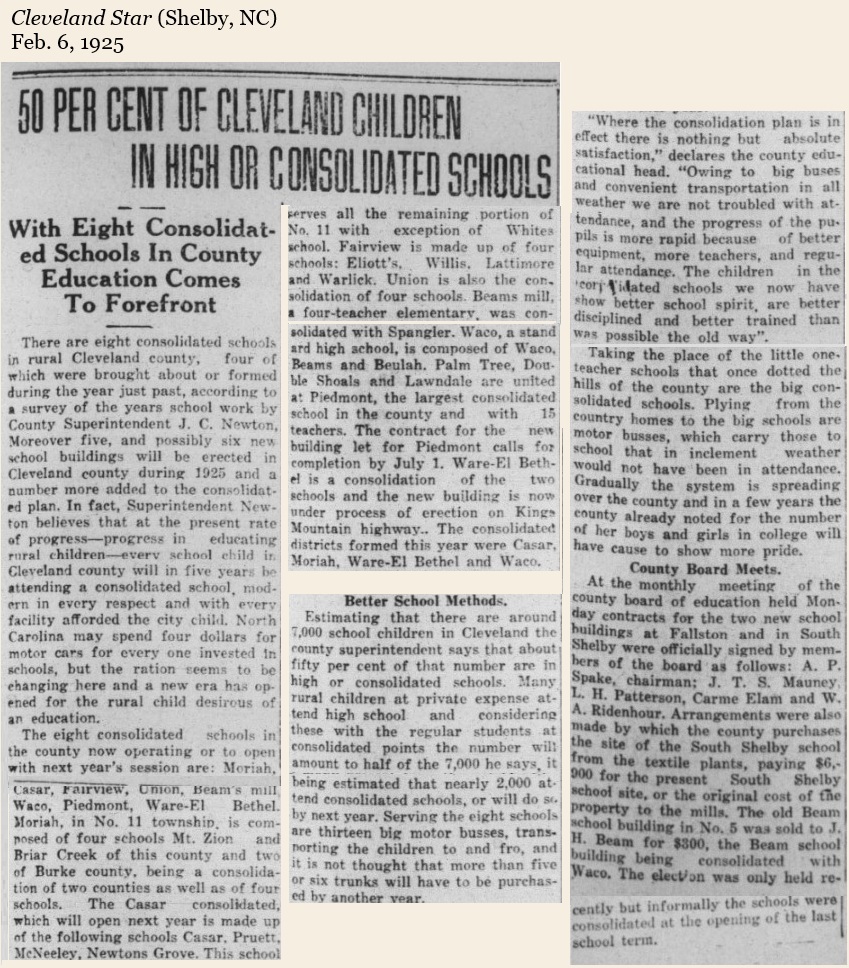
After the death of Dr. Erwin in 1952, schools continued along the path of consolidation. According to local historian Doyne Allison, in 1960 there were 20 public high schools in Cleveland County. In a matter of eight years, the county was down to just four.
| CC High Schools | ||
| in 1960 | by 1961-1966 | 1968-present |
| Belwood | closed | |
| Bethware | closed | |
| Boiling Springs | 211 Patrick Ave. | closed |
| Burns (new) | ||
| Camp/South Cleveland | Camp/South Cleveland | closed |
| Casar | closed | |
| Cleveland | Cleveland | closed |
| Cleveland Early College High School, built 2013 | ||
| Compact | Compact | closed |
| Crest (original) | closed | |
| Crest (new) | ||
| Douglas | Douglas | closed |
| Fallston | Burns-Fallston | closed |
| Green Bethel | Green Bethel | closed |
| Grover | closed | |
| Kings Mountain | Kings Mountain | Kings Mountain |
| Lattimore | closed | |
| Mooresboro | closed | |
| Number 3 | Number 3 | closed |
| Piedmont | closed | |
| Polkville | Burns-Polkville | closed |
| Shelby | Shelby | Shelby |
| Waco | closed | |
| Washington | Washington | closed |
The section below illustrates the dramatic reduction of schools when the number of extinct schools is compared to the number of current schools.
Cleveland County Schools Past to Present
The following section summarizes the available information on Cleveland County schools from the 1840s until now. Many details are either lost to history or have not been documented. If you have additional information, please contact the website administrator.
The location of some of the rural schools are shown on a 1918 soil survey map. Because this historic map included the boundaries of the county’s 11 townships, the section below maintains that organization for geographic consistency. For current schools addresses and info, visit the Cleveland County Schools website.
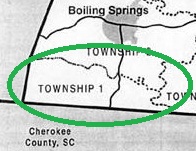
Township 1 Schools, Extinct:
- Cobb School (one-room), Wood School
- Holly Springs, Palmer, and Prospect Schools were consolidated in 1936 to form
- No. 1 School (1936-1963)

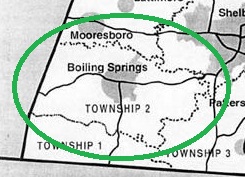
Township 2 Schools
Current Schools:
- Boiling Springs Elementary School, (1990-present)
- Springmore Elementary School, (2000-present)
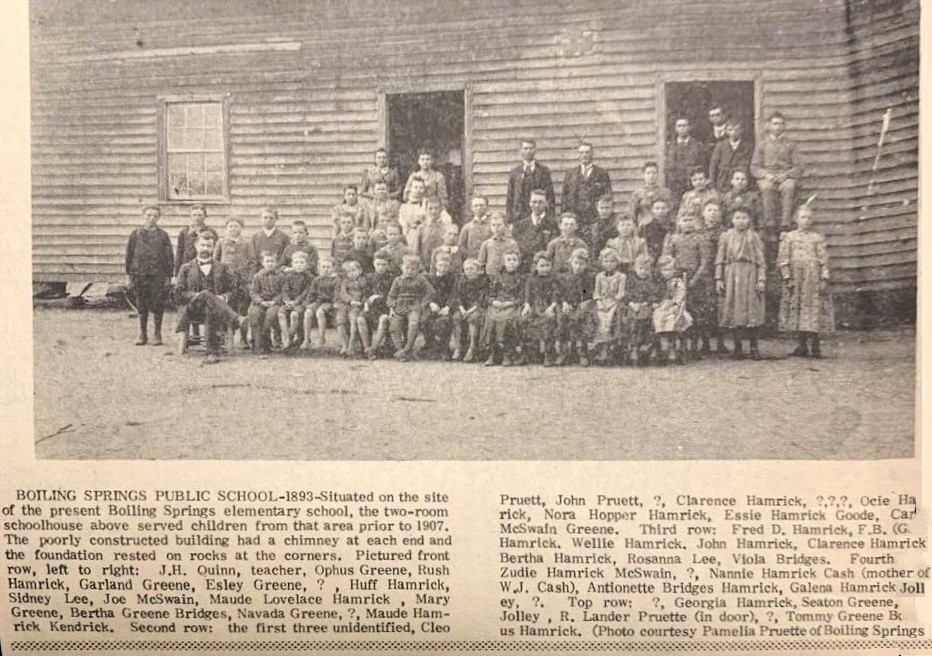
Extinct Schools: Boiling Springs High School (1905-1928), Flint Hill, Green Bethel/ West Cleveland (x-1969), Mount Pleasant, Shanghai, Sharon, and Trinity.
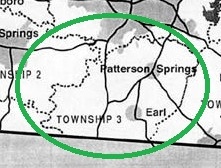
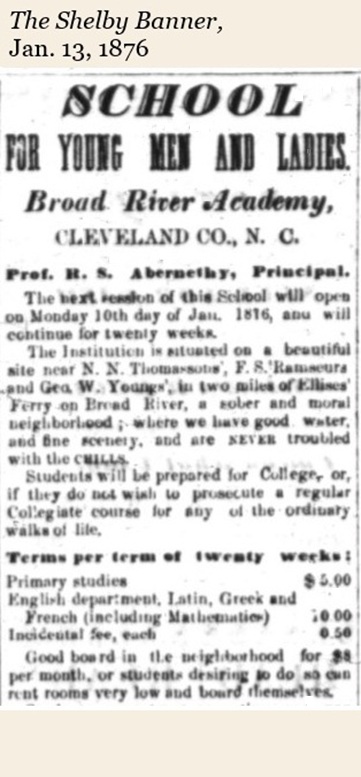
Extinct Schools: Broad River Academy (1876-1913+), Camp (1942-1968), Cedar Grove, Broad River Elem., Earl, Ellis, McBrayer, Patterson Springs High (x), Pleasant Hill, Pruette School (x-1913+), Earl, 1st (1850-x), 2nd and 3rd, (x-x); 4th (1903-1923); 5th (1923-, Randle, Township Three High (1931-1967)
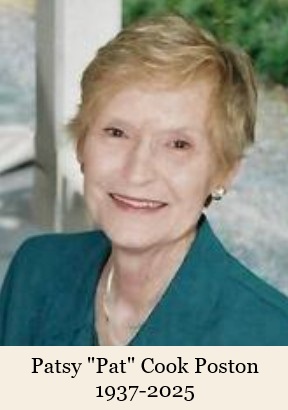
Pat Poston became one of the first female news reporters at The Shelby Daily Star shortly after she graduated from college in 1959. In 1980, Mrs. Poston wrote an article about the old Broad River Academy for The Heritage of Cleveland County. The following is an excerpt:
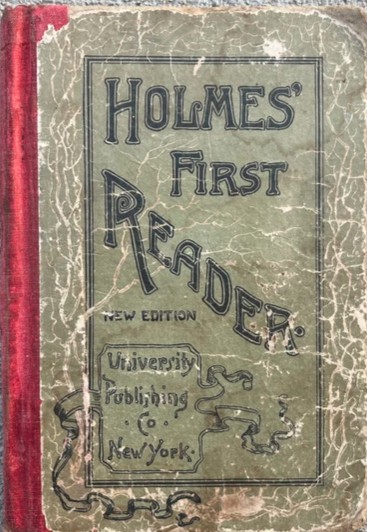
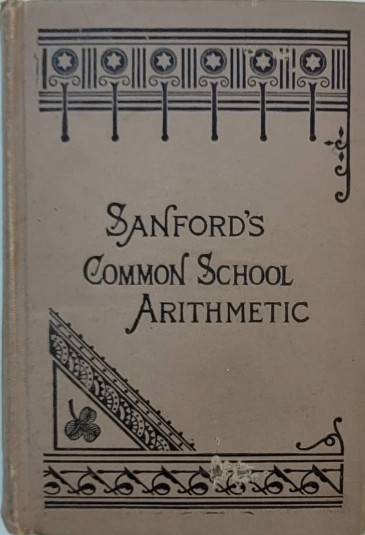
“The students ranged in age from 7 to 21 and were taught by one teacher whose salary varied from $30 a month in 1889 to $375 in 1896. In a spidery script, one teacher recorded that in December 1888, average daily attendance was 39 3-5.* The books they studied, precious, because they were too hard to come by, were Swinton’s and Webster’s Spellers, Sanford’s arithmetic, Reed’s and Kellogg’s Grammar, Maury’s Geography, Moore’s History, Holmes’ Reader, Lockwood’s rhetoric, and Steele’s Sciences. Teachers listed in the book included C. F. Hopper in 1888, V. G. Rollins in 1889 and 1890, and Robert L. Howell from 1891 to 1893. But the most well remembered one is not listed. He was R. (Robert) J. Balfour, a Harvard man, who probably taught in the late 1870s. A Scottish-Irish man who taught with a Yankee accent, Balfour instituted quite a few modern ideas in education at the school. One of them was a rigid program of physical education. He rigged up chinning poles, a high one, and a low one for the boys in his class and had them doing gymnastics during recess. Some parents in the community objected to strenuous exercise, but Balfour stood his ground. He also introduced the sport of boxing to the community and trained several boys. The man knew his students and they knew him so well, he rarely had to use strict disciplinary measures. Balfour was a talented artist, and when he drew a picture of a baptizing, performed by Tom Dixon, every figure was recognizable. Pupils were divided by grades within the confines of the big room. They sat on slab benches and four desks, for writing, stood in the front of the room.“
* It is assumed this meant grades 3-5.


Township 4 Schools
Current Schools:
- Bethware (1925-present)
- Grover (1950-present)
- East & North (1956-present)
- West (1970-present; previously West End School, 1922-1970)
- Kings Mountain High (1965-present)
- Kings Mountain Middle (1975-present)
- Kings Mountain Intermediate (2002-present)
Extinct Schools: 3 B, Borders, Bynum AME Zion Church School (1888-1920s), Central School, Compact (1872-1961), Dixon (x-1992), Elbethel, Grover (1950-x), Long Branch, Kings Mtn. School–became Davidson School (1926-1934-1968), Hardin, Ware, (x-1913+), Oak Grove, Oates, Park Grace, Patterson Grove, Gaston Street School (1874-x), King/Piedmont Street School (1874-1876); became Kings Mountain Military Inst. (1876); new building (1877-1878-19xx), White Plains Academy (1859-x). A history of Kings Mountain Schools, 1874-1935, was published in the Cleveland Star in September of 1935.

Bell’s Military Academy, Kings Mountain; c. 1876. 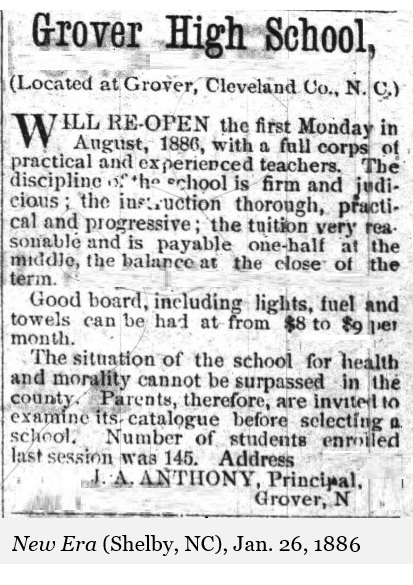
1886 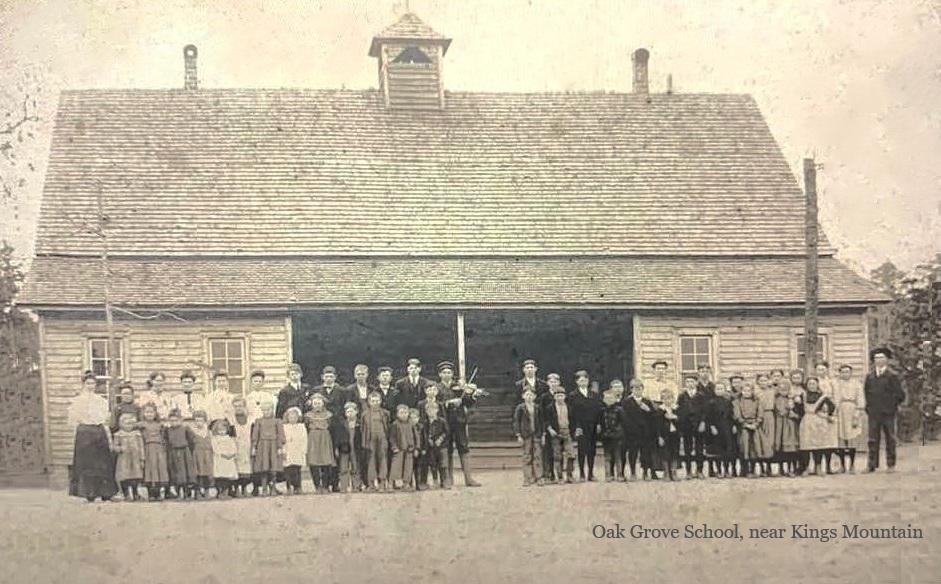
Oak Grove School 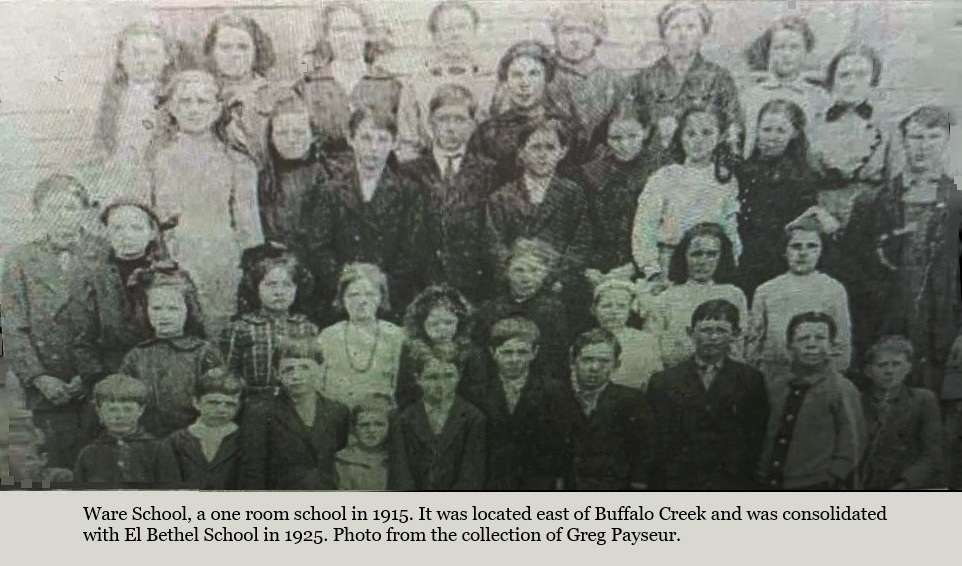
Ware School; 1915. Ware and El Bethel School became Bethware School in 1926. 
Ware School; 1922. 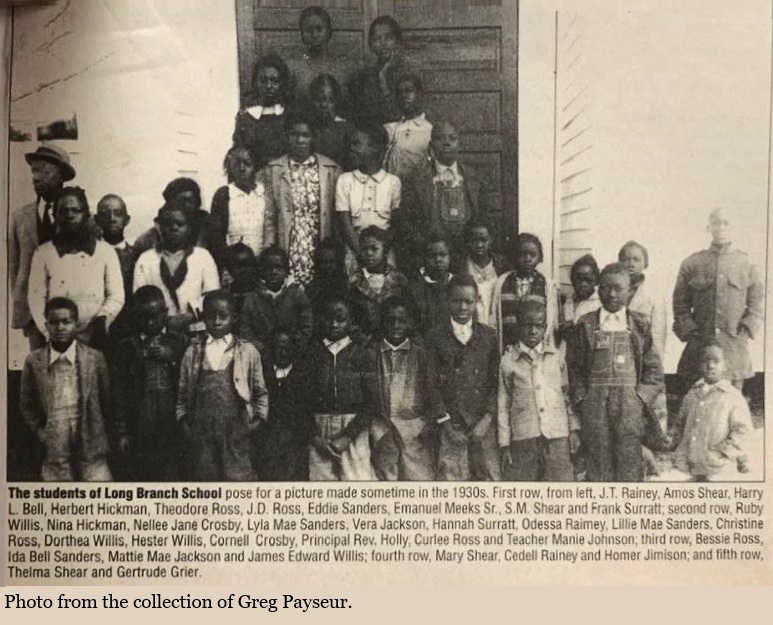
Long Branch School; 1930s. 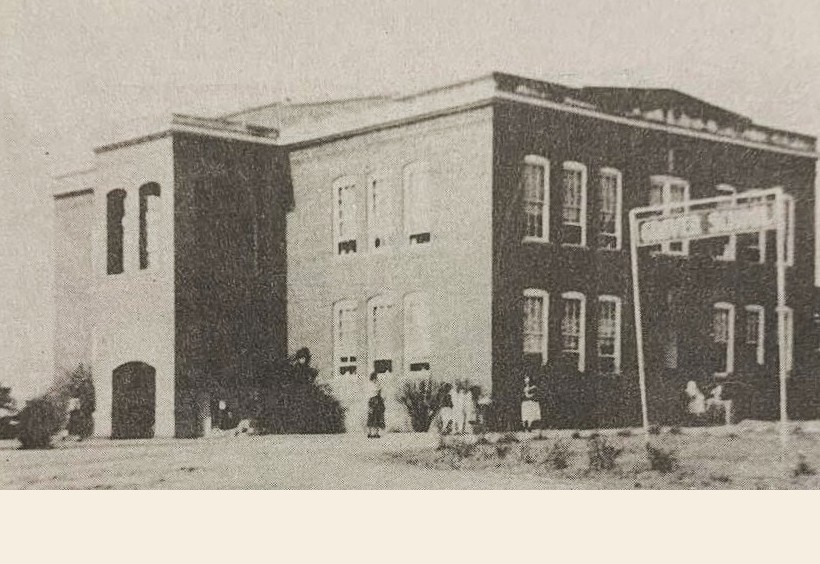
Grover High School, 1938; from the collection of Clara Hughes. 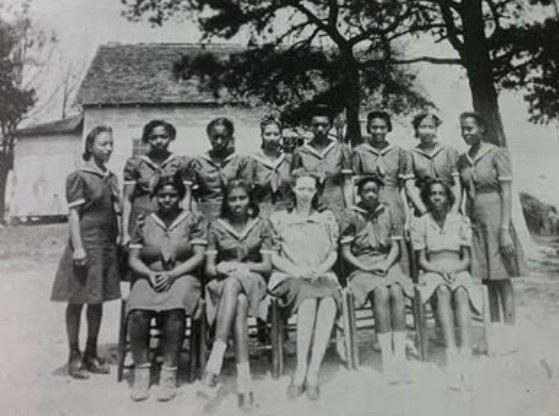
Compact School; c. 1940. 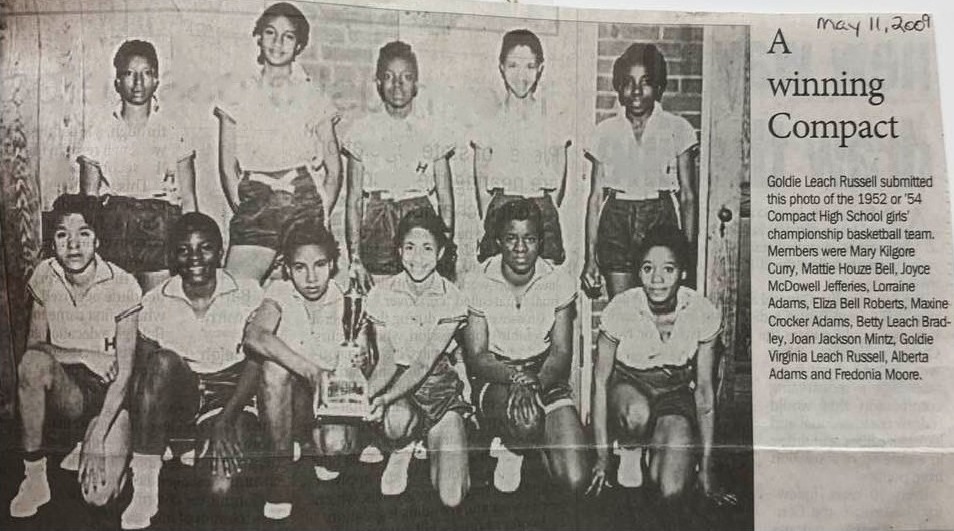
Clipping from the collection of Greg Payseur. 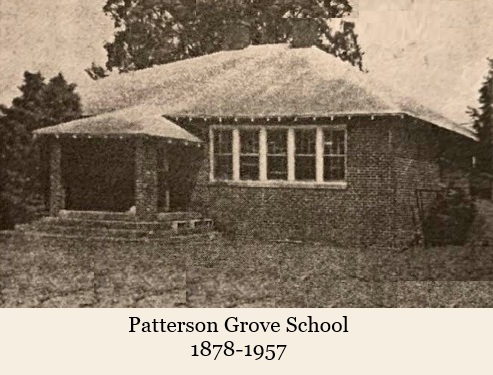
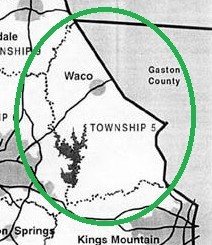
Township 5 School
Current School:
- Washington Elem. (x-present)
Extinct Schools: Beam, Dameron, Lackey, Plonk, Rhyne (x-1913+), Old Field School (near Capernaum Cemetery (1840-x), Saint Paul, Stubbs, Sylvanus Erwin Normal Institute (x), Waco High School (x-1960)
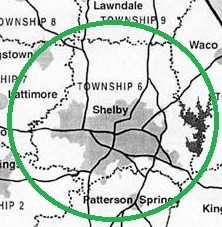
Township 6 Schools
Current Schools:
- Cleveland Early College High School (2008-present)
- Cleveland Innovation Virtual Academy (x-present)
- Crest Middle School (1976-present)
- Crest High School (1967-present)
- Elizabeth Elem., (2022-present (previously Shelby Intermediate, 1998-2022; Elizabeth Elem, 1950-1998))
- James Love Elem. (1968-present)
- Jefferson Elem. (1969-present)
- North Shelby School (2020-present); (previously Northside,
1966-1976; Children’s Center,1976-1990; North Shelby,
1990-2020) - Pinnacle Classical Academy (2013-present)
- Shelby Middle School (x-present)
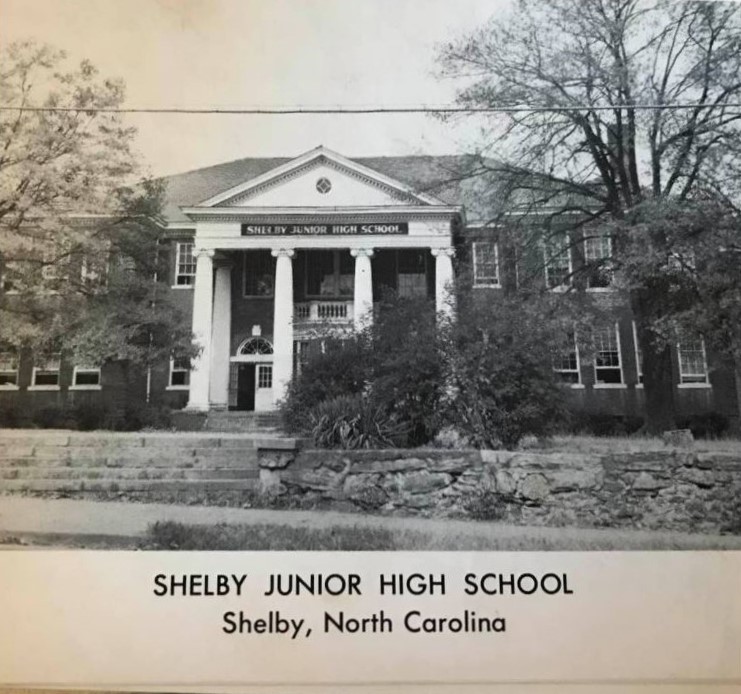
- Shelby High School (1961-present)
- Turning Point Academy (2012-present)
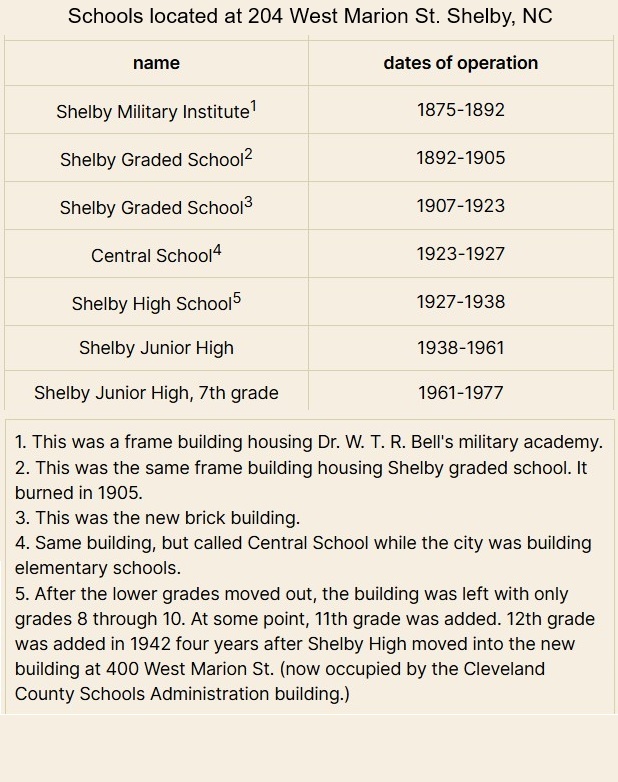
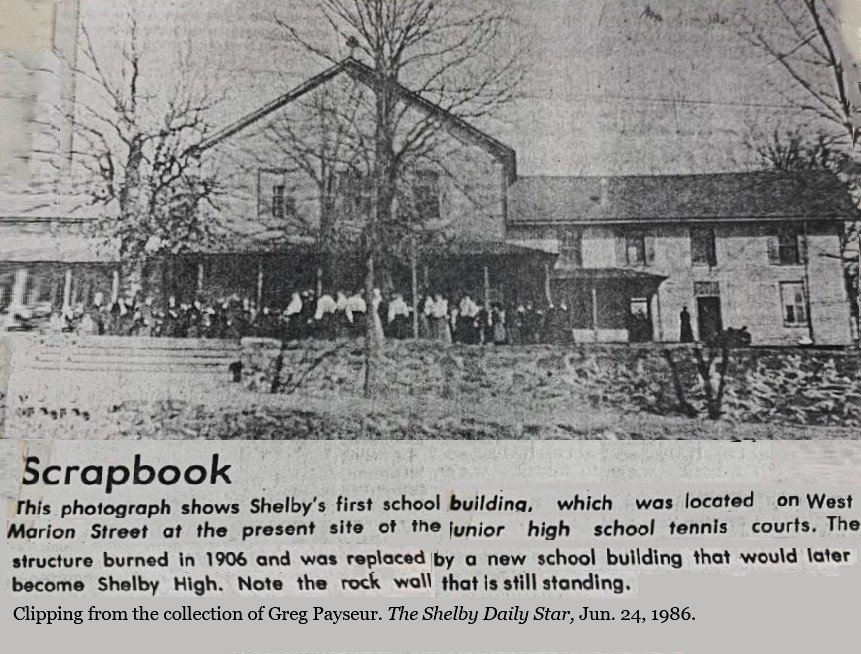
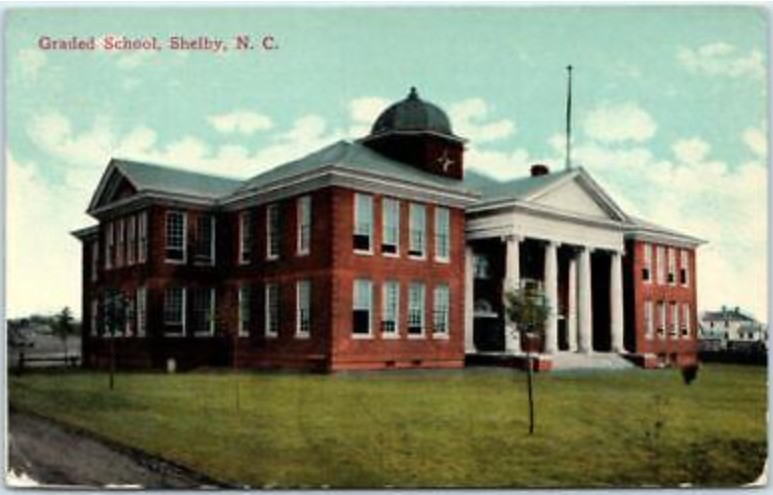
Extinct Schools: Beaverdam, Sharon, and Shanghai (merged in 1936, retaining the name Shanghai), Cleveland Female Academy (1874-x), Cleveland Training School (1st, 1895-1920; 2nd, 1920-1926(destroyed by fire); 3rd, 1927-1977), Dover (x-1991), Hopewell, Graham, 1st (1927-1956); converted to Oak School (6th grades only), Graham, 2nd (1956-2022), Hunter (1957-1969), Lafayette (1923-1956), Jefferson (on Buffalo St. 1920s-1969), Marion (on Marion St., 1923-1951)), Marion (on Forest Hill Dr. (1951-2022), Morgan (x-x), Mount Zion, Poplar Springs, Northside (Children’s Center, North Shelby (1st)), Roberts Seminary (1863-x), Rock Cut, Ross Grove, Shelby Academy, Shelby Cotton Mill School (1915-replaced by Morgan School), Shelby Military Institute (1887-1892); (Shelby Graded School (1892-1905); Shelby Graded School (1907-1923); Central School (1923-1927), Twelve Oaks Academy, (1979-2007), Washington Elem. (on N. Lafayette St. (1950s-1979)), Zion (Church) School, Zoar School.
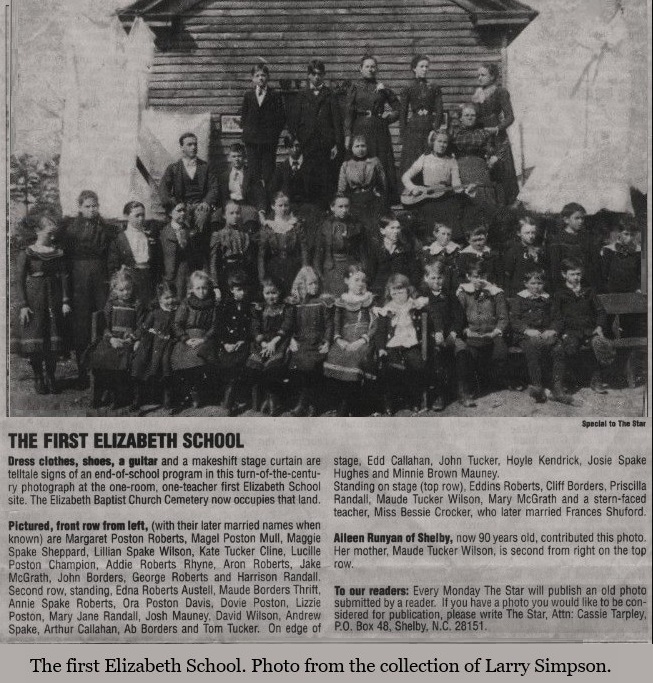
Elizabeth School. c. 1900 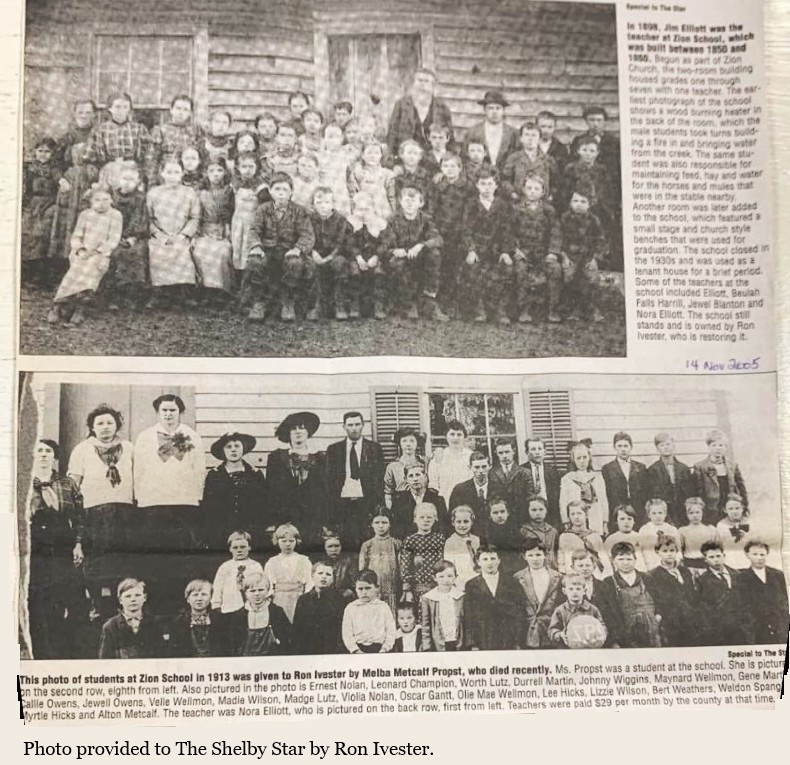
Zion School 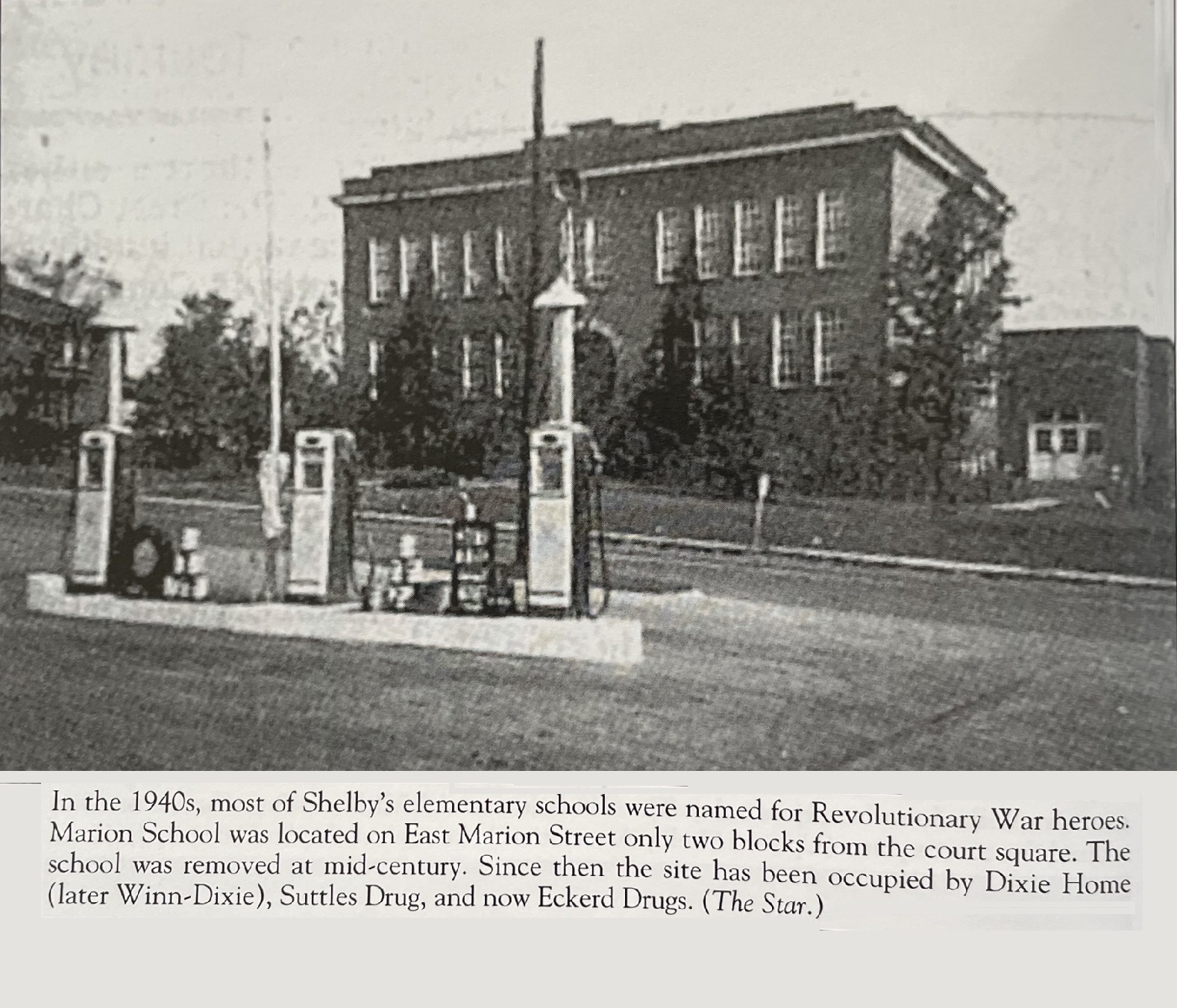
The old Marion School; 1940s. 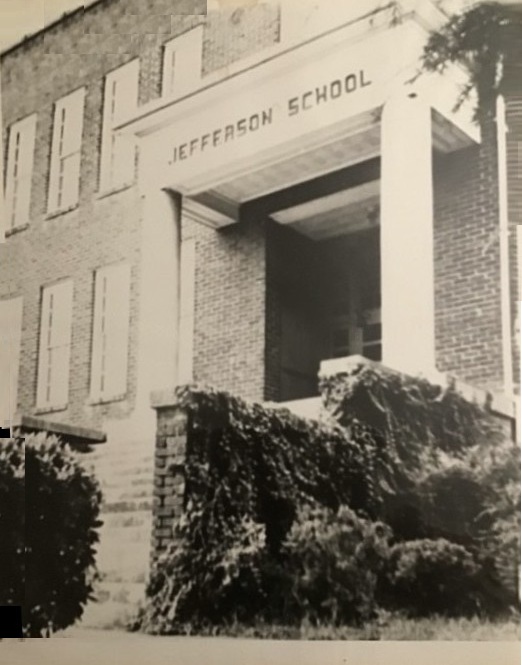
The old Jefferson School on Buffalo Street, Shelby. Photo from the collection of Rusty Patterson. 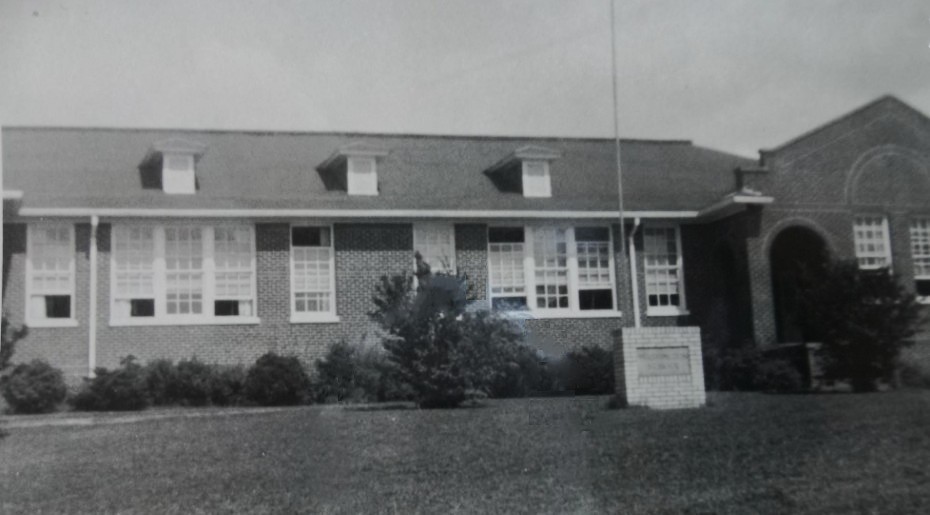
The old Washington School at 1100 N. Lafayette St. Shelby. 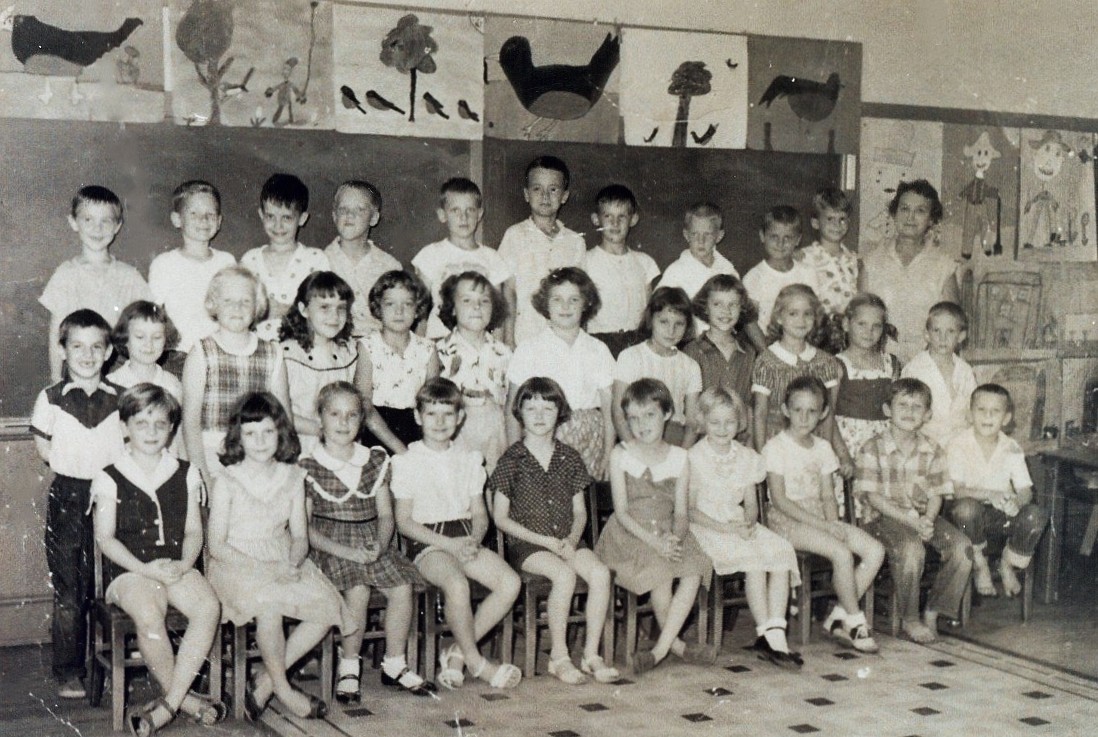
Marian Moser’s 2nd grade class at Washington School on N. Lafayette St. Shelby, about 1956. 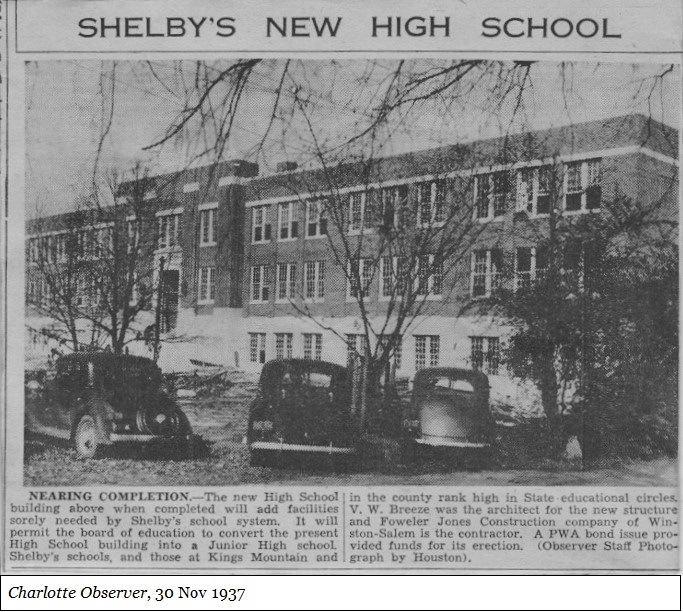
Shelby High School, 1937. 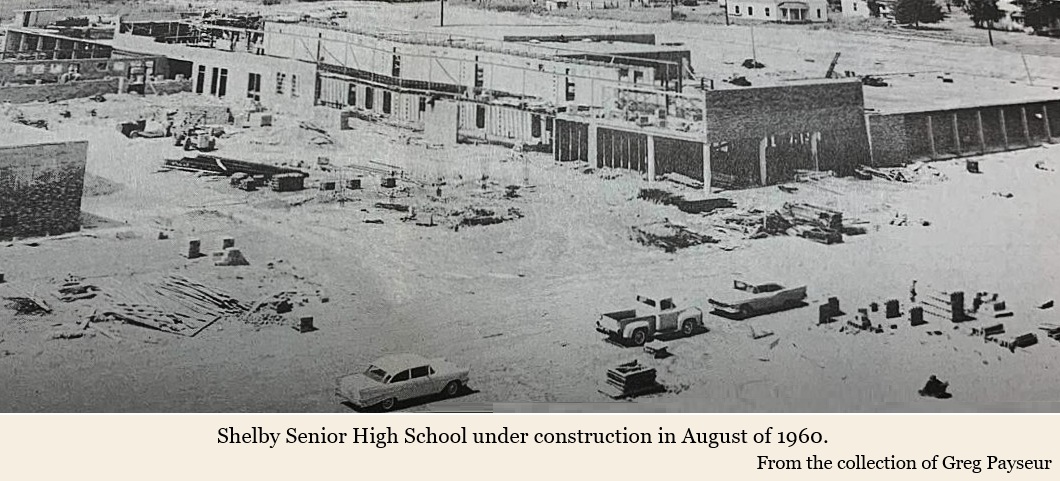
Construction of Shelby High School, Aug. 1960.
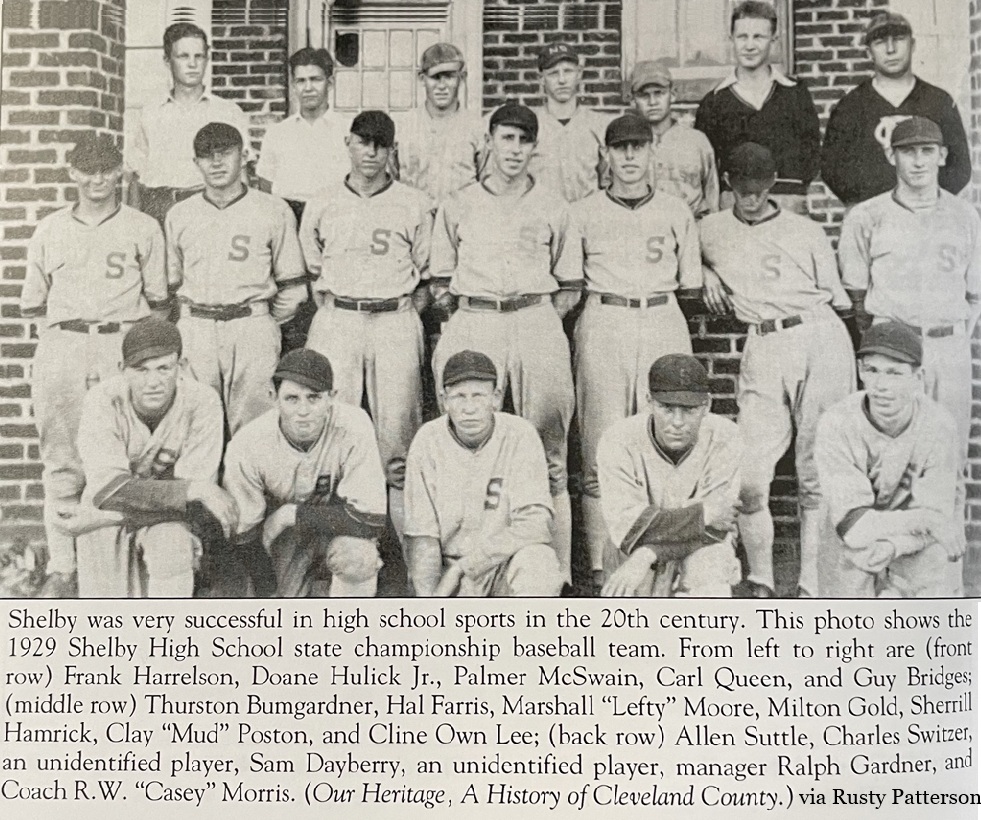
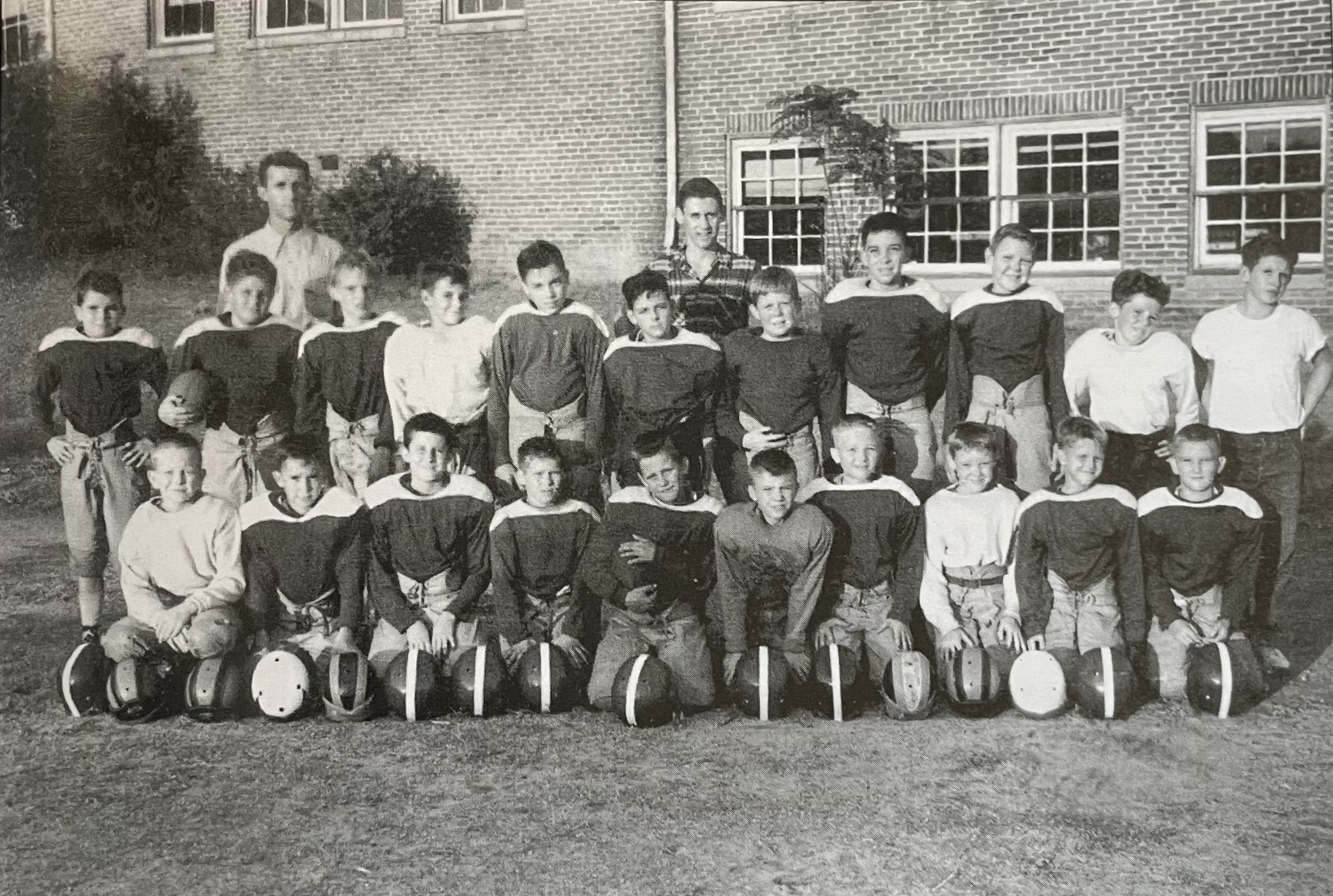
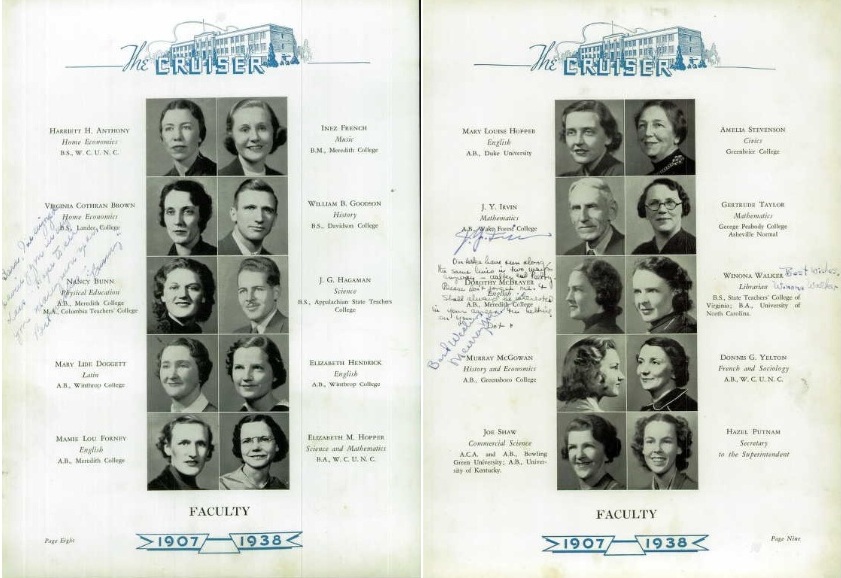
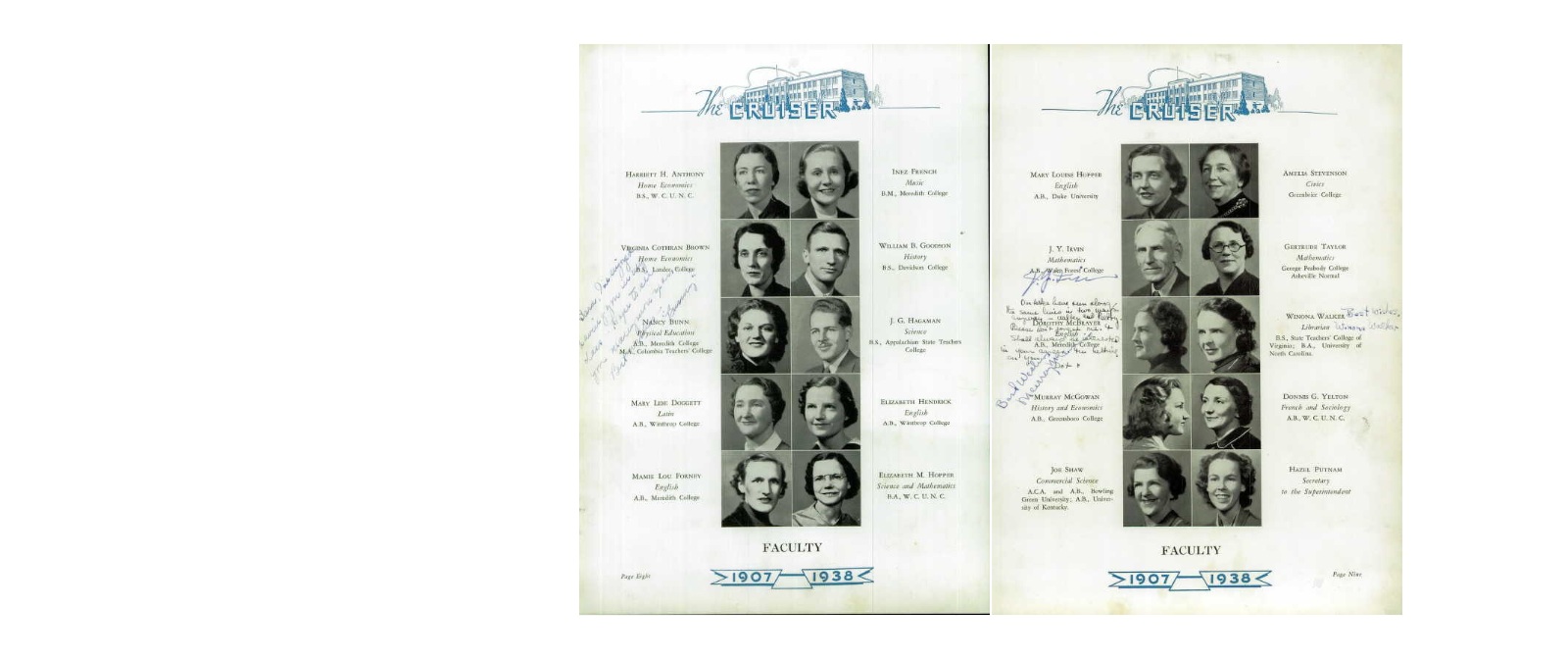
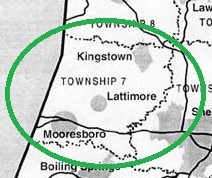
Township 7 Schools
Thomas Jefferson Classical Academy is a charter school that opened in 1999. Although it has a Mooresboro mailing address, it lies within Rutherford County.
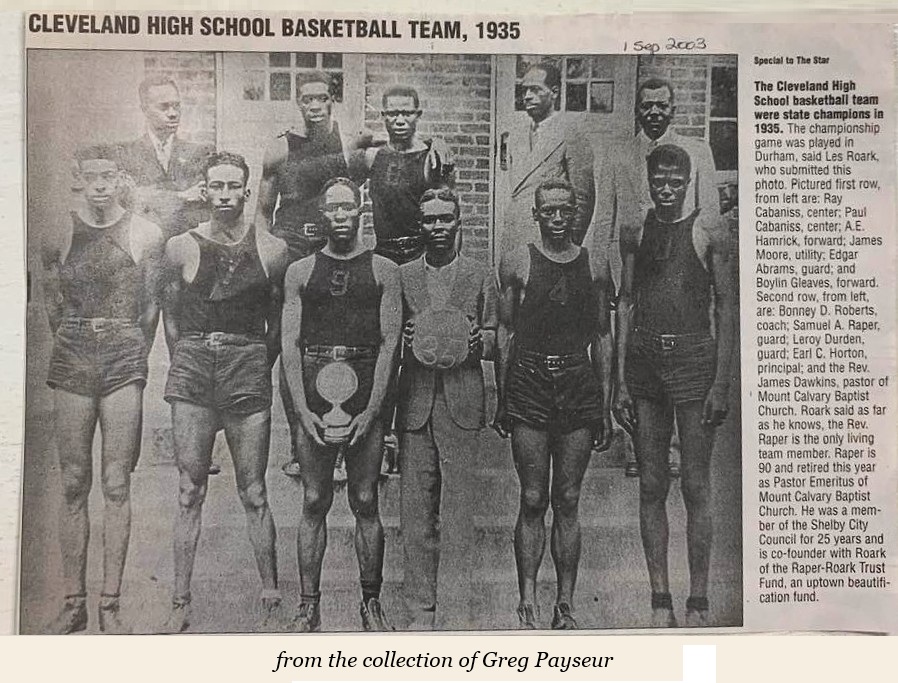
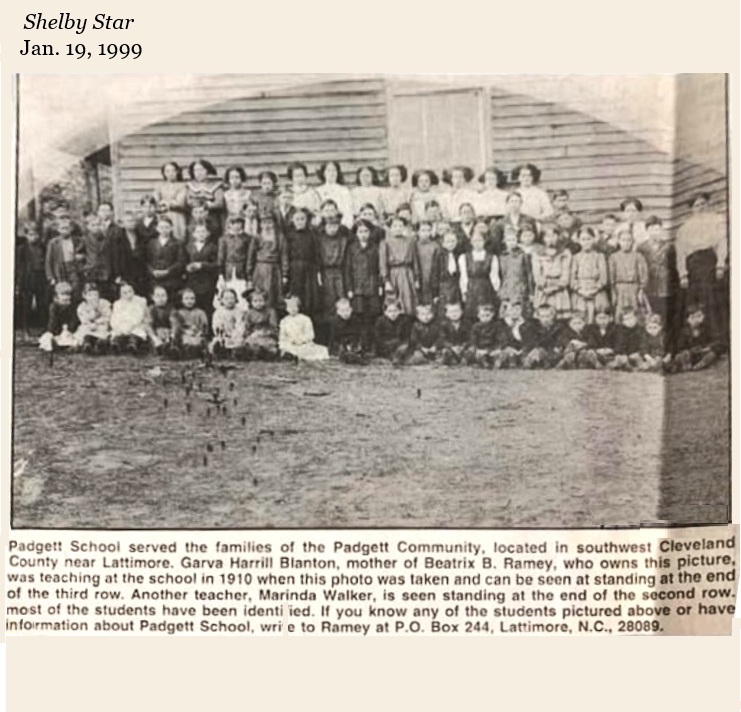
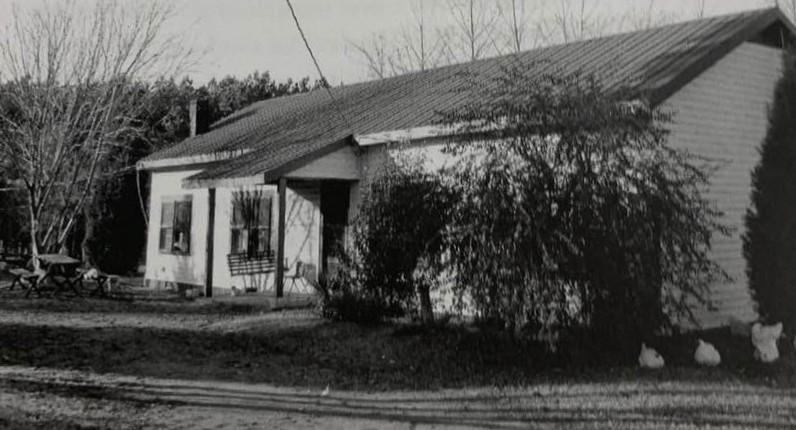
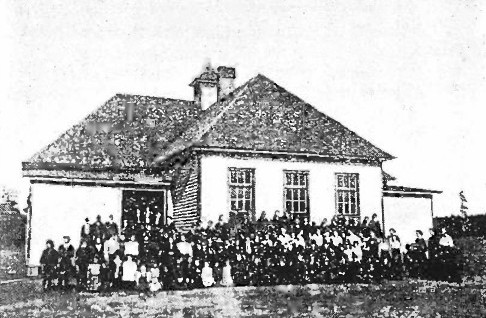
Extinct Schools: Beaverdam, Cabaniss, Double Springs, Lattimore Academy (190x-1922), Lattimore (1922-x); new 3-story building (x), Mooresboro, Padgett School, Pleasant Ridge, Rehobeth, Wright.
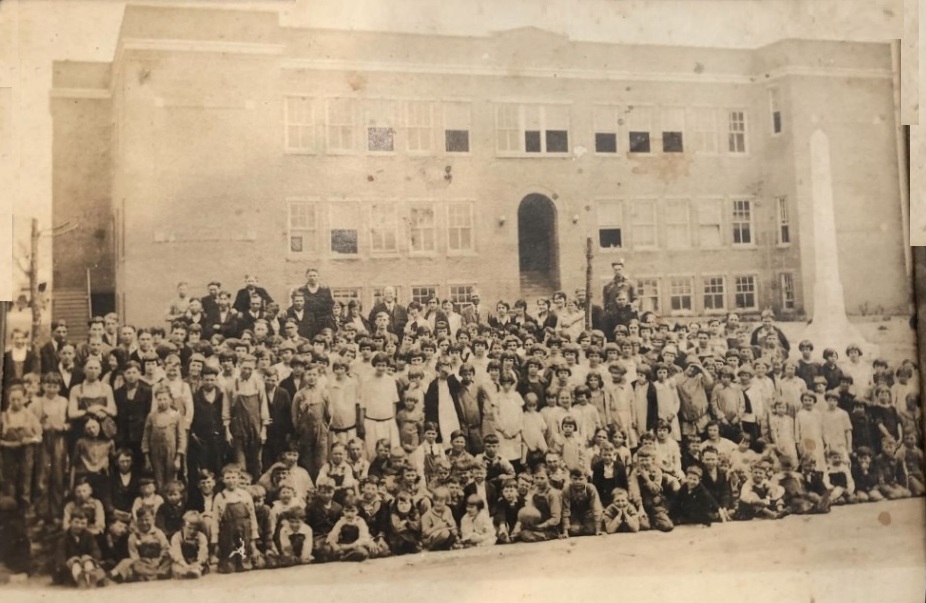
Township 8 Schools
Current School:
- Union Elementary School (1991-present); consolidated from Dover, Polkville, and Lattimore schools in 1991
Extinct Schools: Banjo Head, Elliott, Grassy Branch, Hopkin Hill, Round Hill (x-1913+), Burns/Polkville (x-x), New House, Palm Tree, Polkville (1927-1991), Powell, Henry Warlick, Willis/W.S. Lattimore.
Township 9 Schools
Current Schools:
- Burns Middle School (1976-present
- Burns High School (1967-present)
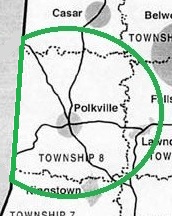
- Fallston Elementary School (1952-present)
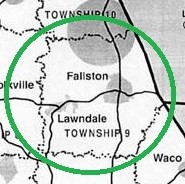
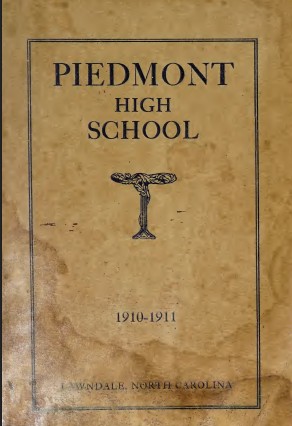
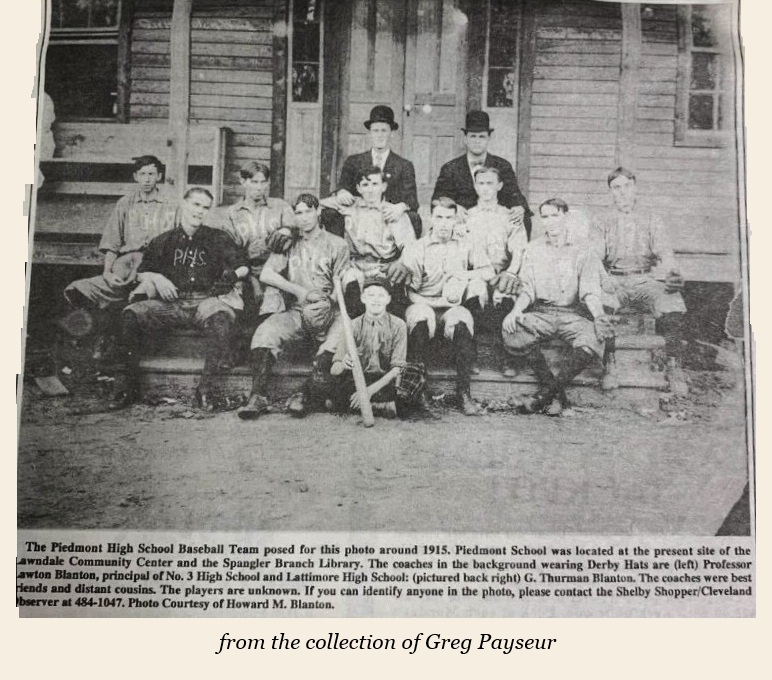
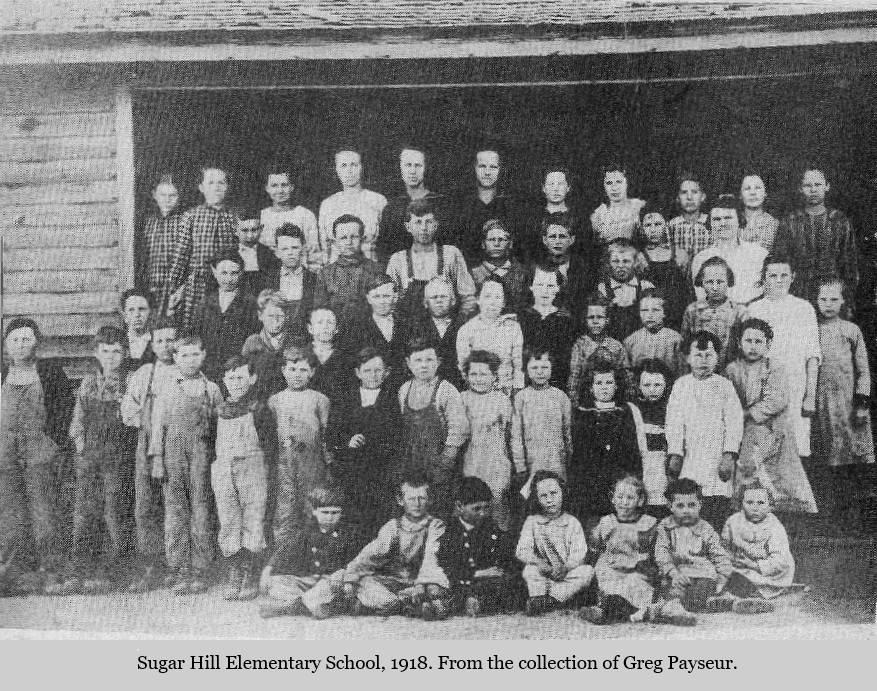
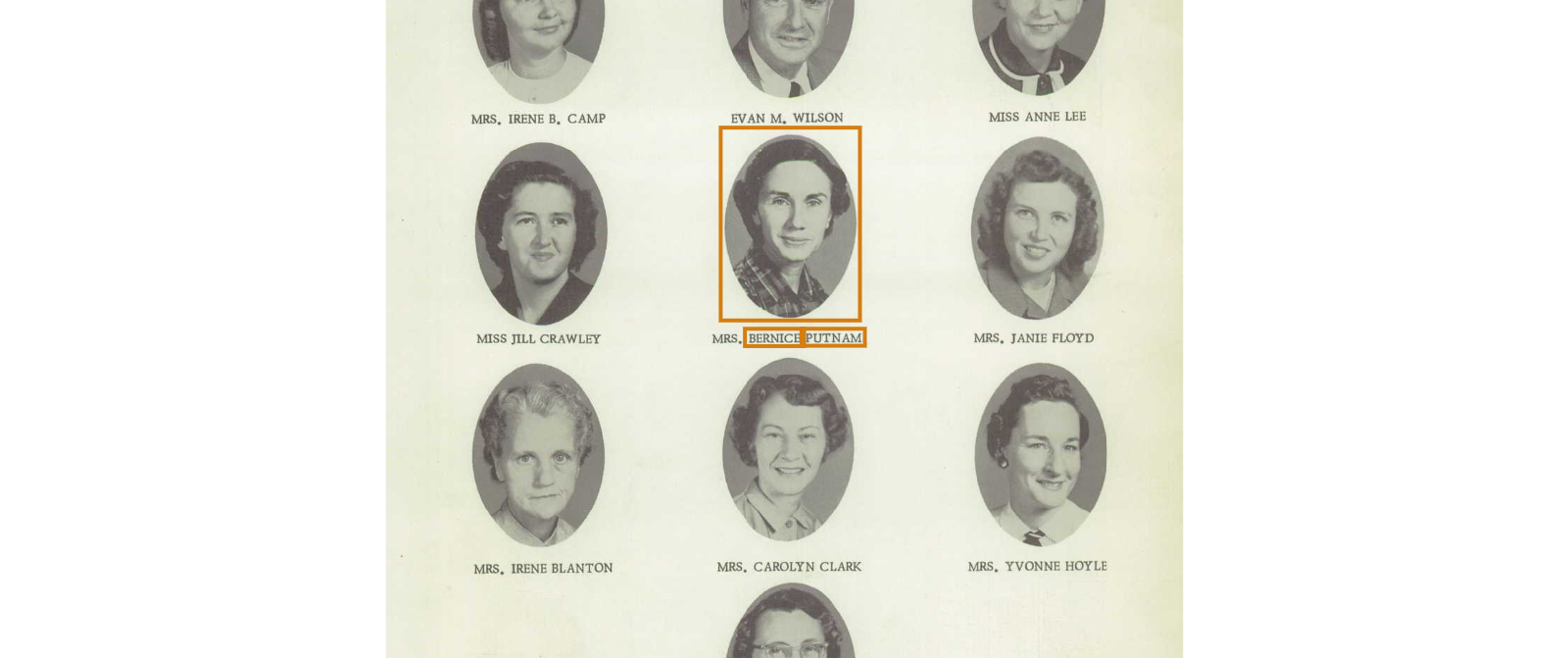
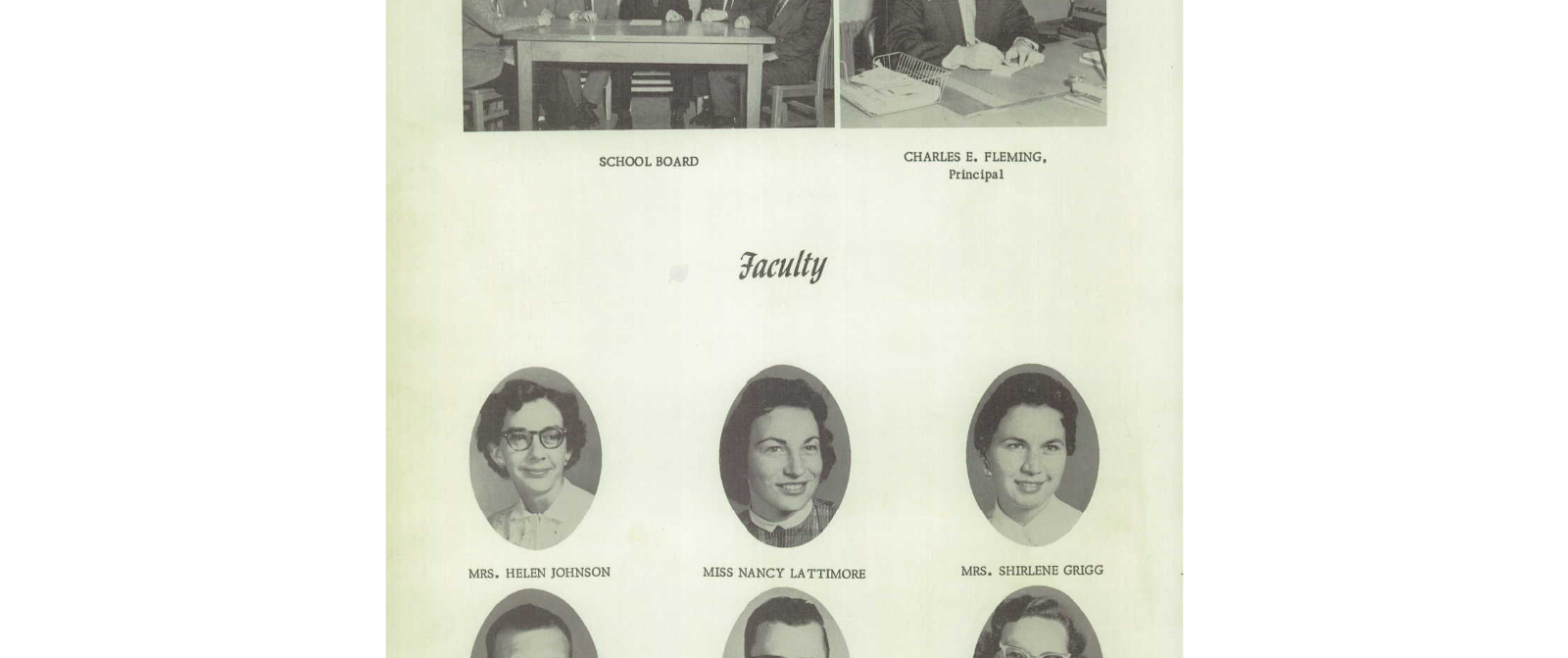
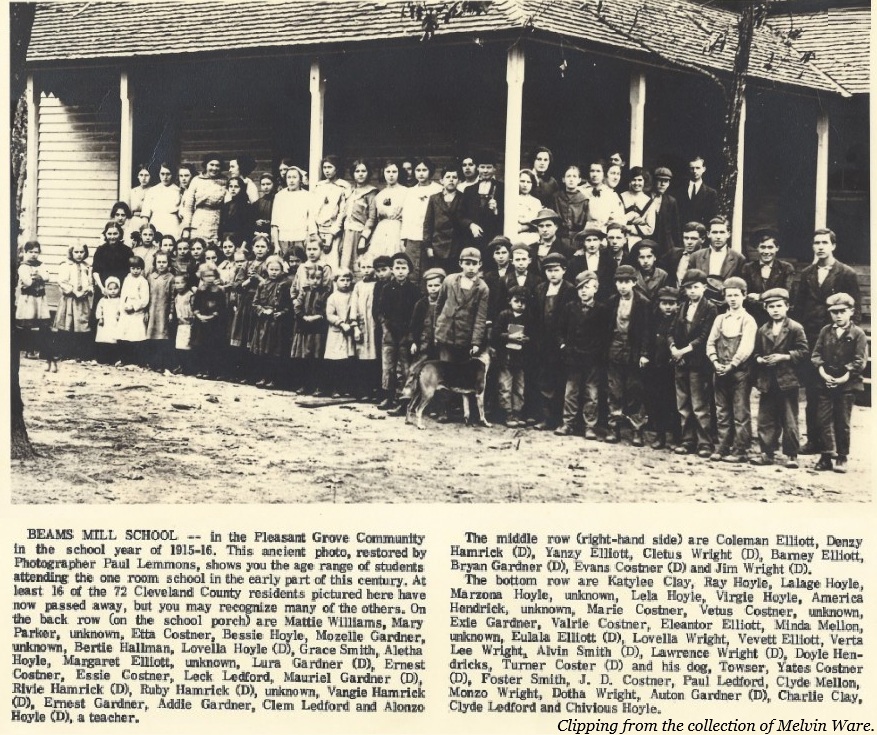
Extinct Schools: Flat Rock, Richards, Royster, Spangler, Sugar Hill (x-1913+), Beam’s Mill School, Belwood, Burns/Fallston, Double Shoals (1906-x), Douglas/Douglas High (1902-1967), Hayes, Piedmont Academy (1897-x); Piedmont High (See extensive coverage of Piedmont High School here), Richard School.



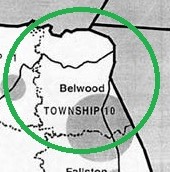
Township 10 Schools, Extinct
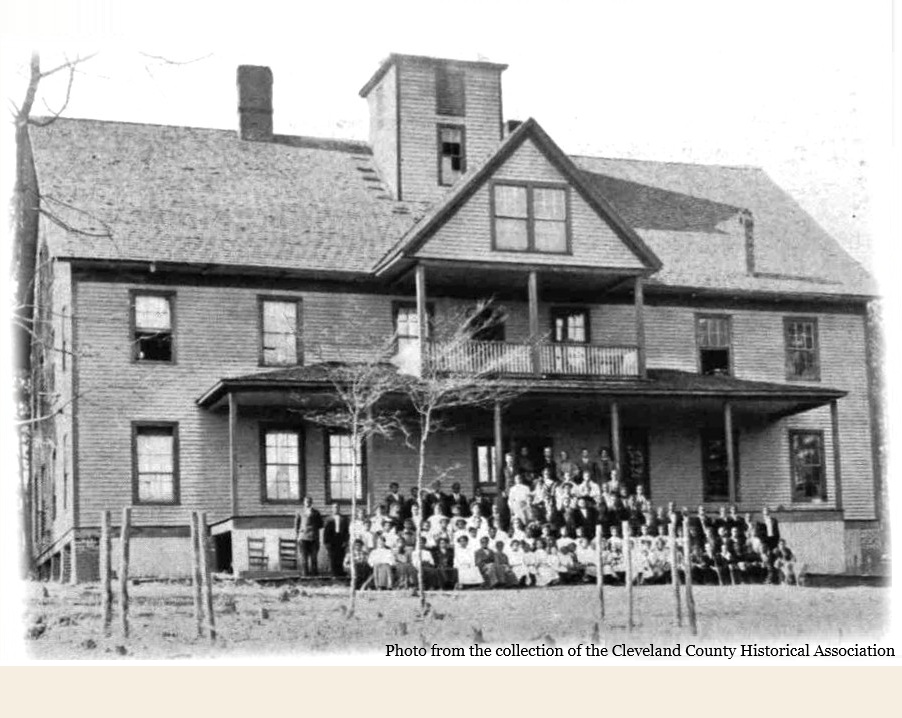
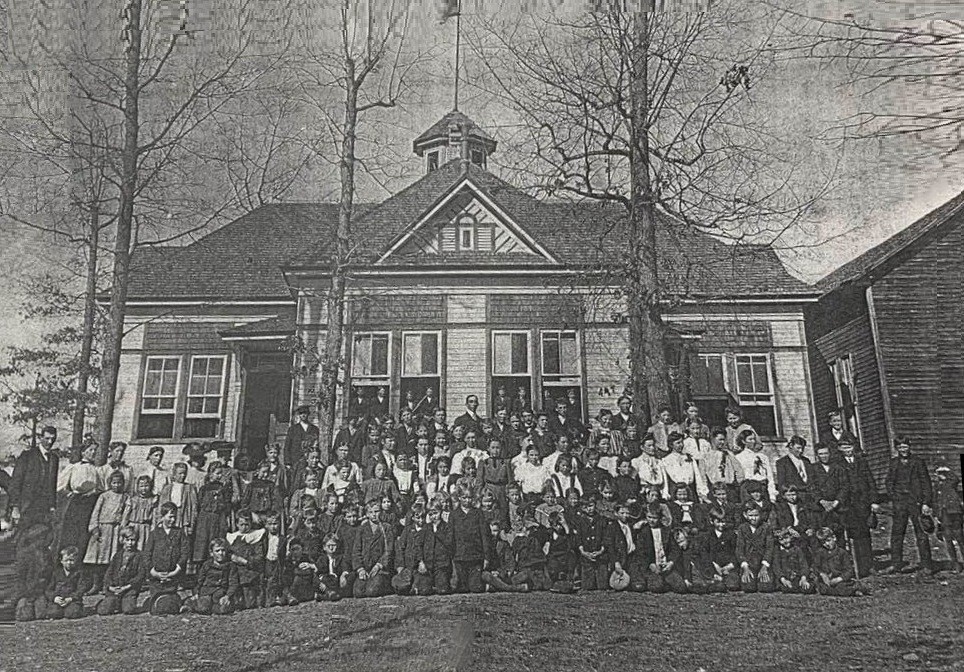
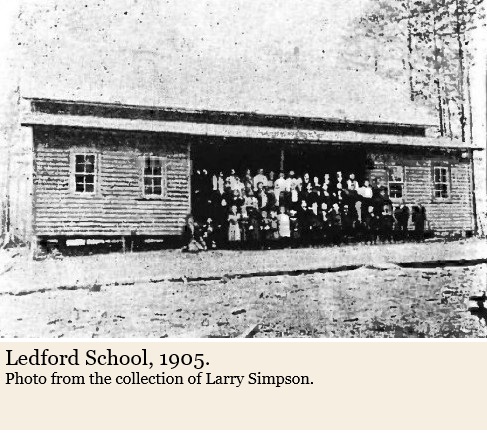
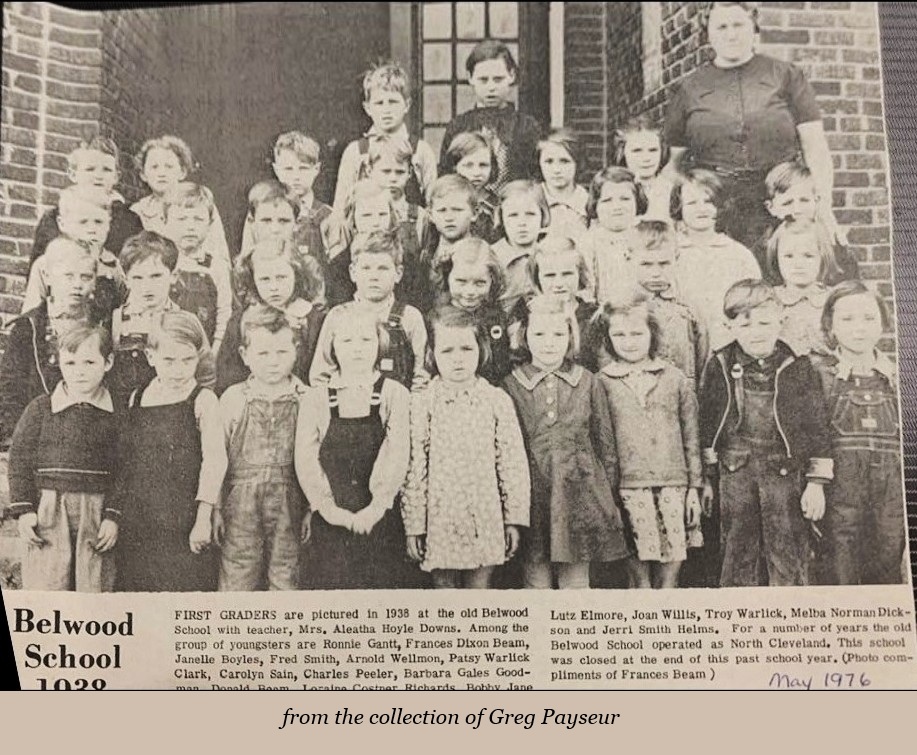
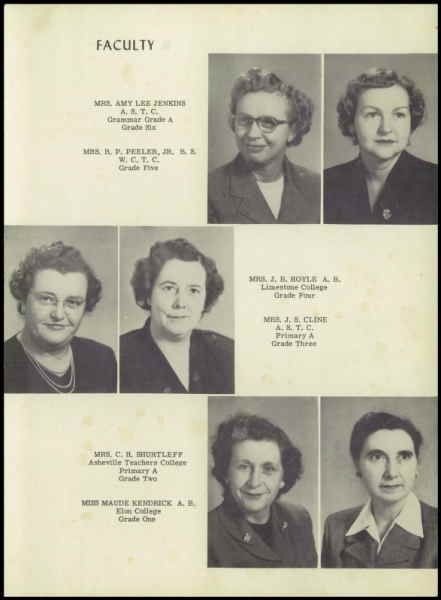
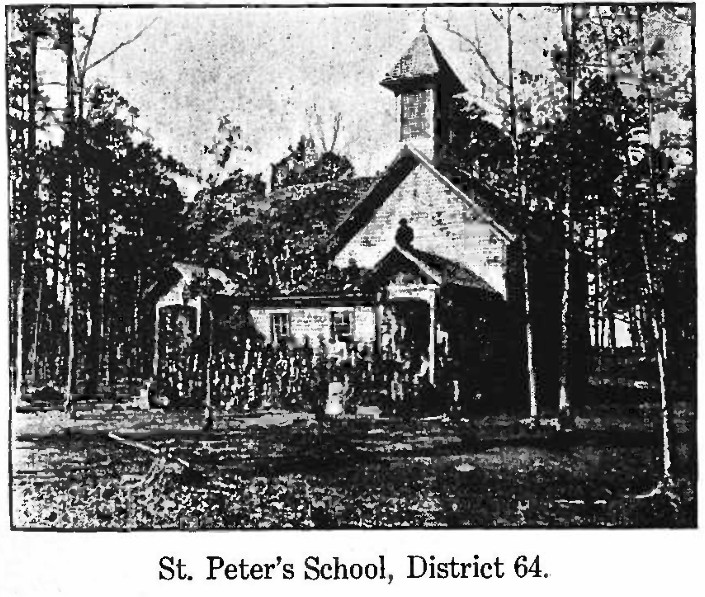
- Belwood Institute, Hoyle, Ledford, Little Zion, Mull, Philbeck (x-1913+), St. Peter, Vance, and A. D. Warlick School.

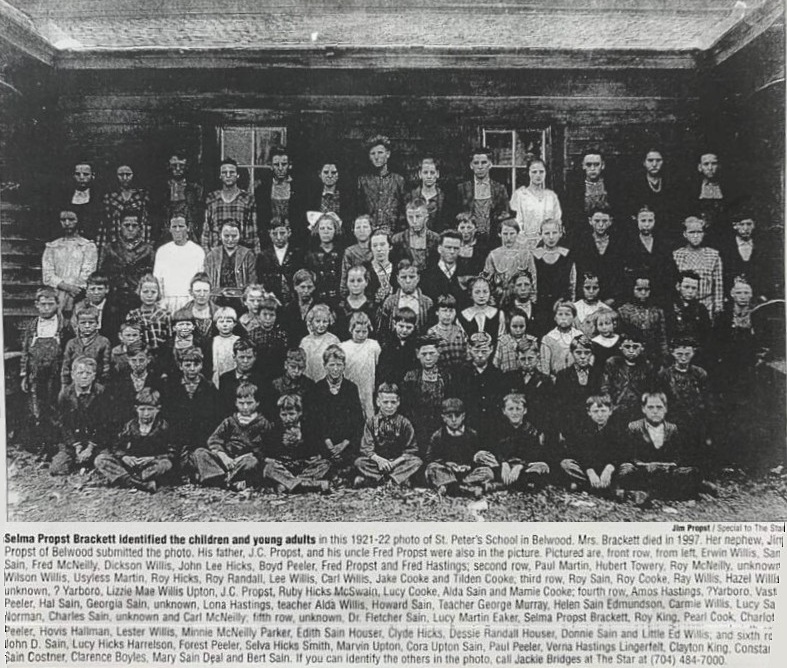

Township 11 Schools
Current School:
- Casar Elementary School (x-present)
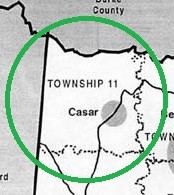
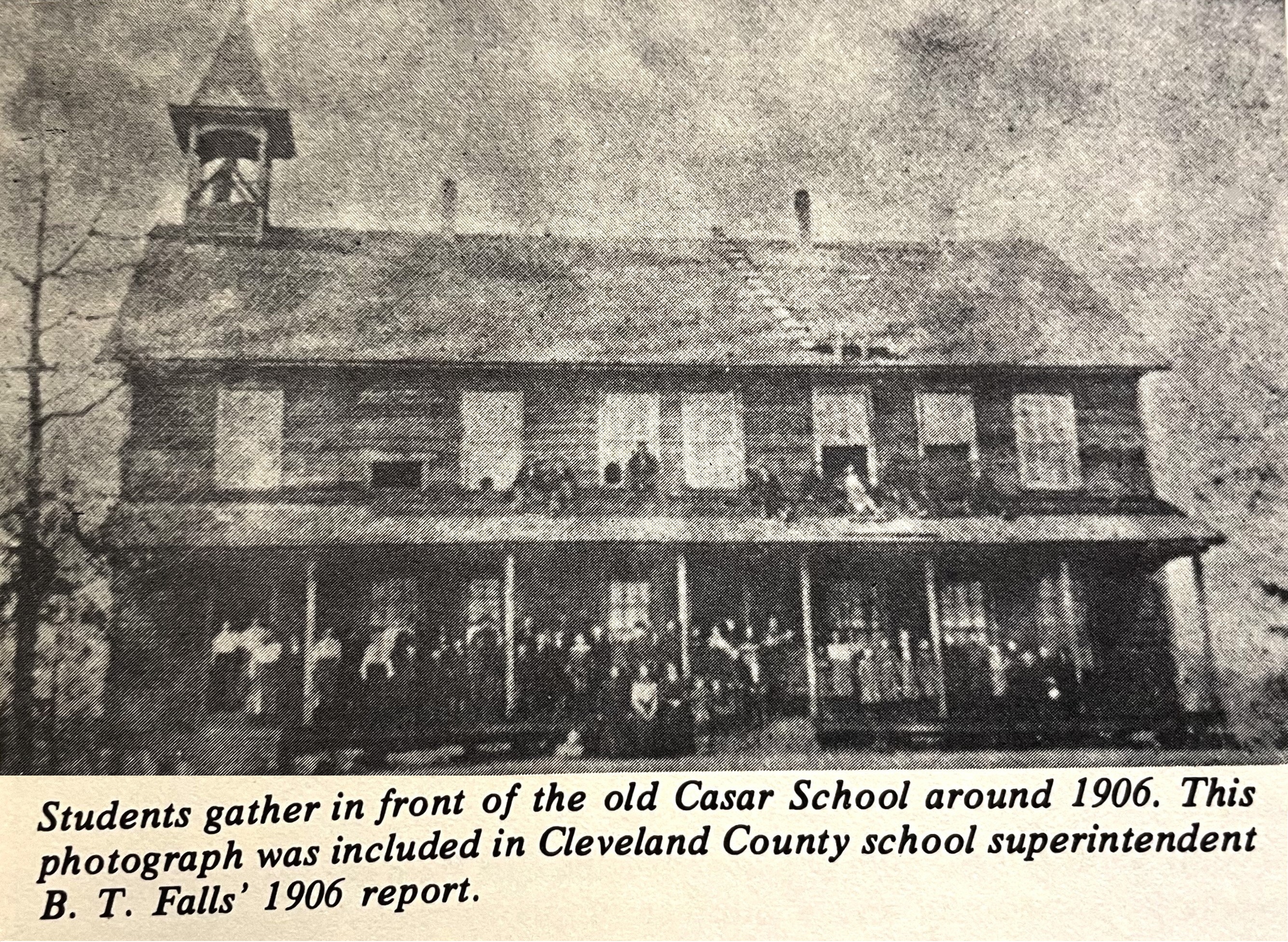
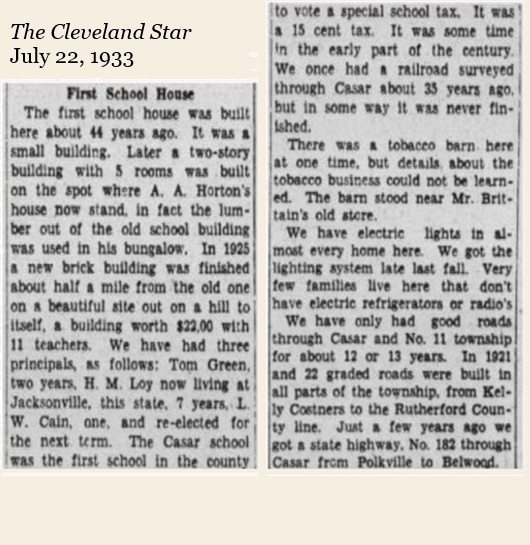
Extinct Schools: Willis (x-1913+), Casar (1st, 1889-1924), Casar “two-story school” (2nd, 1903-x), Logan, McNeilly, Point, Zion and Whisnant Schools merged to form Moriah School (1924-1962).

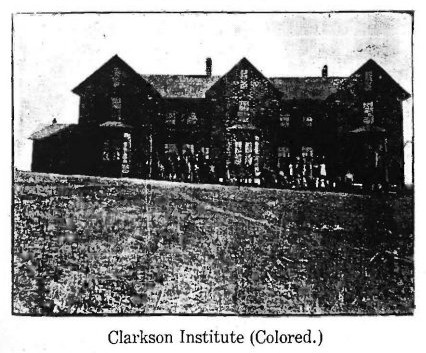
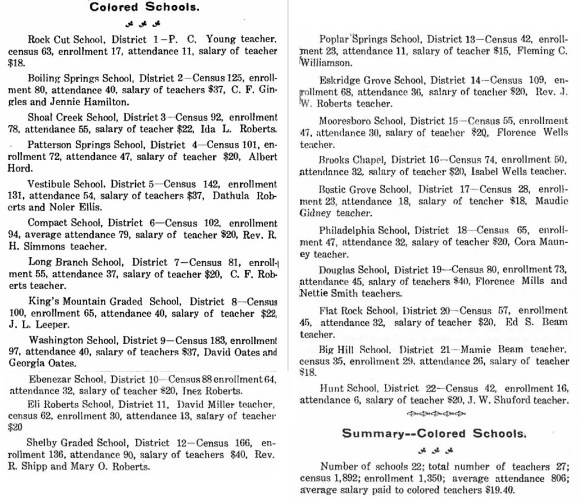
Below are the schools for Black children listed in the Superintendent B. T. Falls’ 1906 annual report to the Cleveland County School Board.
Cleveland County School Histories
Historical accounts of some of Cleveland County’s schools have been written by local residents:
African American History and Education in Cleveland County. This is a scrapbook of 134 images and articles compiled by Ezra Bridges, a distinguished 20th century educator and community leader in the county.
Broad River Academy. Pat Poston wrote a brief historical sketch of this old 1870s school which was located on Mt. Sinai Church Road just south of Shelby, NC.
Burns High School – Lawndale, NC, Shelby Star article on the occasion of Burns’ 50th anniversary.
Cleveland County Training School/Cleveland High School Application for National Registry.
Crest High School; brief history from the school’s website “About” page.
Earl School. Gladys Horn Hopper wrote a brief historical sketch of this school which evolved to become Number Three School. Other schools mentioned here include the old Cedar Grove School, McBrayer School, Broad River Elementary School, and Patterson Springs High School.
Kings Mountain Schools – Kings Mountain, NC
Old Piedmont High School– Lawndale, NC; article by Tom Forney.
Sketches of Piedmont High School – a comprehensive history.
Shelby High School– Shelby, NC. This is from the school’s website. A list of principals is included.
Shelby Public School Educators. This is a collection of Find a Grave memorial pages consisting of Shelby Public School teachers, coaches, and administrators who were born between 1898 and 1940.
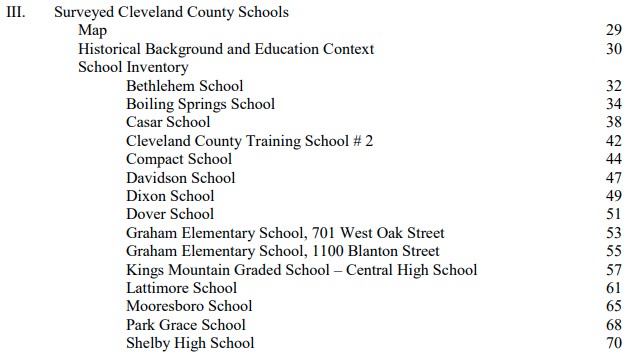
Historic Architectural Resources Survey Report: Cleveland, Henderson, Polk, and Rutherford County Schools, pg. 29-70. The schools surveyed are shown in an excerpt from this document:
* The Cleveland County Historical Association, “The Early Schools,” in The Heritage of Cleveland County, Vol. I. (Winston-Salem, NC: Hunter Publishing Company, 1982), pg. 3.
 Cleveland County History