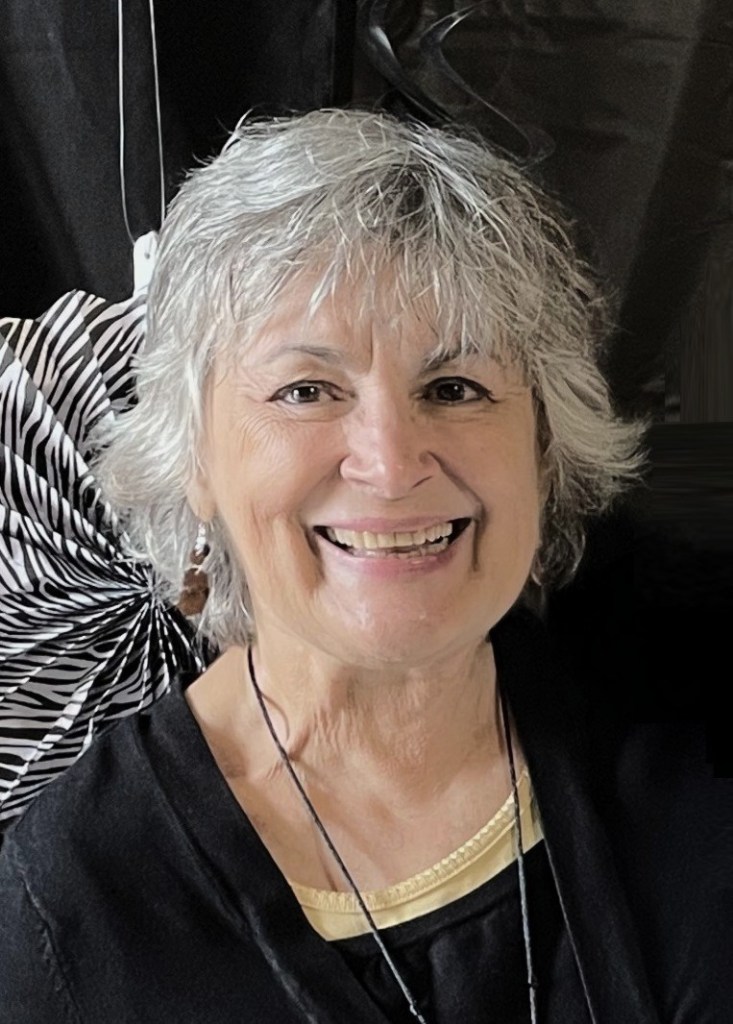
Paula Hord Dedmon is the website creator, editor and administrator. A lifelong resident of Cleveland County, she was educated in the Shelby public schools, graduating from Shelby High School in 1972.
After graduating from Winthrop College, she worked in retail for 11 years before returning to her alma mater to embark on a new career path. This “reinvention” of herself would culminate in a master’s degree in biology education and subsequently a 25-year career at Gaston College where she taught biology, bioethics, and general science. In 2015, she was awarded the title of Faculty Emerita at Gaston College.
After retiring in 2014, she rekindled her lifelong interest in genealogy, resulting in a 400-page book on the Hord family of Cleveland County. The six-year long project led her to realize the importance of understanding a family’s history in the context of the local history. The creation of this website is her attempt to compile pieces of Cleveland County’s history into a comprehensive resource with user-friendly navigation that makes it easy to find specific information through its organized structure and relevant links to detailed documents.
Co-Editors
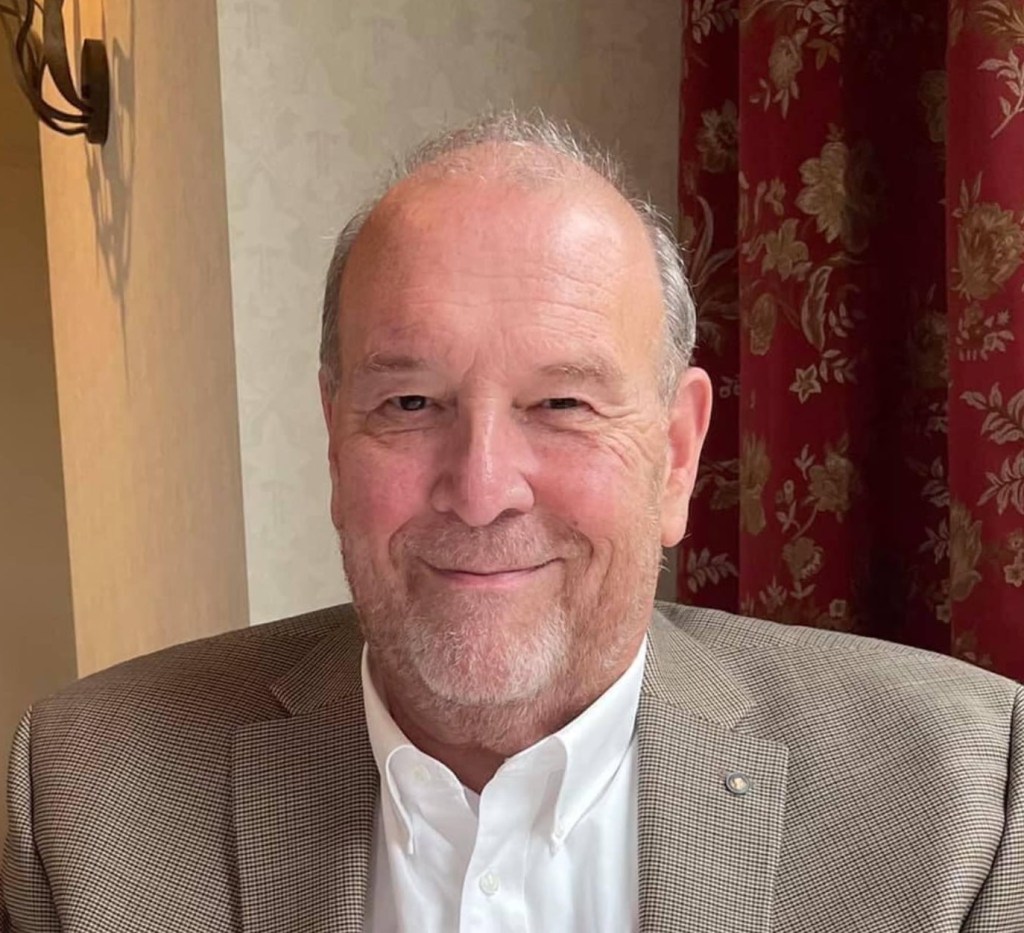
U. L. “Rusty” Patterson serves as Co-Editor of our website. Rusty is a lifelong resident of Shelby. He, along with writing partners Barry Hambright and Marie Farrow Patterson, have collectively published six books on various aspects of our county’s history.
Now retired, Rusty is the former Executive Director of the Foundation for Cleveland Community College.

Larry Simpson serves as Co-Editor of our website. Larry is a descendant of the Gardner, Poston, and Wilson families of Cleveland County and has done extensive research on Wilson Springs–the famous resort that later became Cleveland Springs. He is a frequent contributor on the Cleveland County Genealogy and Local History Facebook group.
Publications
Books:
Hambright, Barry E. and U. L. “Rusty” Patterson. Cleveland County People and Places, 2002.
–––. Gardner-Webb University, 2005.
Dedmon, Paula Hord. The Hords of Harris Creek: James and Martha Puryear Hord and their Descendants. Internet Archive, 2020. https://archive.org/details/hohc_20210217
–––. Stories of My Life: Paula Hord Dedmon. Storyworth, 2024.
Patterson, Marie Farrow and U. L. “Rusty” Patterson. Cleveland County Fair, 2012.
Patterson, U. L. “Rusty” and Barry E. Hambright. Shelby and Cleveland County, North Carolina, 2000.
–––. First National Bank, 2002.
–––. Shelby, 2007.
Biographies:
Dedmon, Paula Hord. “Pvt. Benjamin Clyde Hord, 4th Marines.” In Fold3, April 2018. Ancestry, www.fold3.com/memorial/653585799/pvt-benjamin-clyde-hord#stories.
–––. “Msgt. Benjamin Clyde Hord, U.S. Army.” In Fold3, April 2018. Ancestry, www.fold3.com/memorial/653585807/msgt-benjamin-clyde-hord#stories
Articles:
Dedmon, Paula Hord. “James and Martha Puryear Hord.” Eswau Huppeday XLII, no. 4 (November 2022): 218–29.
–––. “Richard T. Hord: Farmer, Statesman, Beekeeper.” Eswau Huppeday, XLIII, no. 1 (Feb. 2023): 5-17.
–––. “Susannah Hord Cabaniss.” Eswau Huppeday, XLIII, no. 2 (May 2023): 71-80.
–––. “The Hord Families of Upcountry South Carolina: James W. and John Hord.” Eswau Huppeday, XLIII, no. 3 (Aug. 2023): 139-148.
–––. “Jesse Hord, Edwin Patrick Hord, and Martha Hord McEntire.” Eswau Huppeday, XLIII, no. 4 (Nov. 2023): 240-253.
Simpson, Larry. “The Rise and Fall of The Cleveland Springs Hotel: From High Society Retreat to a Forgotten Ruin.” Cleveland County History, 2025.
Websites:
Dedmon, Paula Hord. Hords of Harris Creek, 2020.
–––. Cleveland County History, 2025.
Simpson, Larry. Treasures from the Past, 2008.
* Eswau Huppeday is the journal of the Broad River Genealogical Society in Cleveland County, NC. The name “Eswau Huppeday” translates to “the land between the rivers” in the Catawba language. It specifically refers to the area between the Catawba and Cherokee tribes, particularly the land around the Broad River. This area was a contested hunting ground, and the term signifies its neutral status after a peace treaty was established between the tribes.
“Those who cannot remember the past are condemned to repeat it.”
~ George Santayana
 Cleveland County History